




Filters

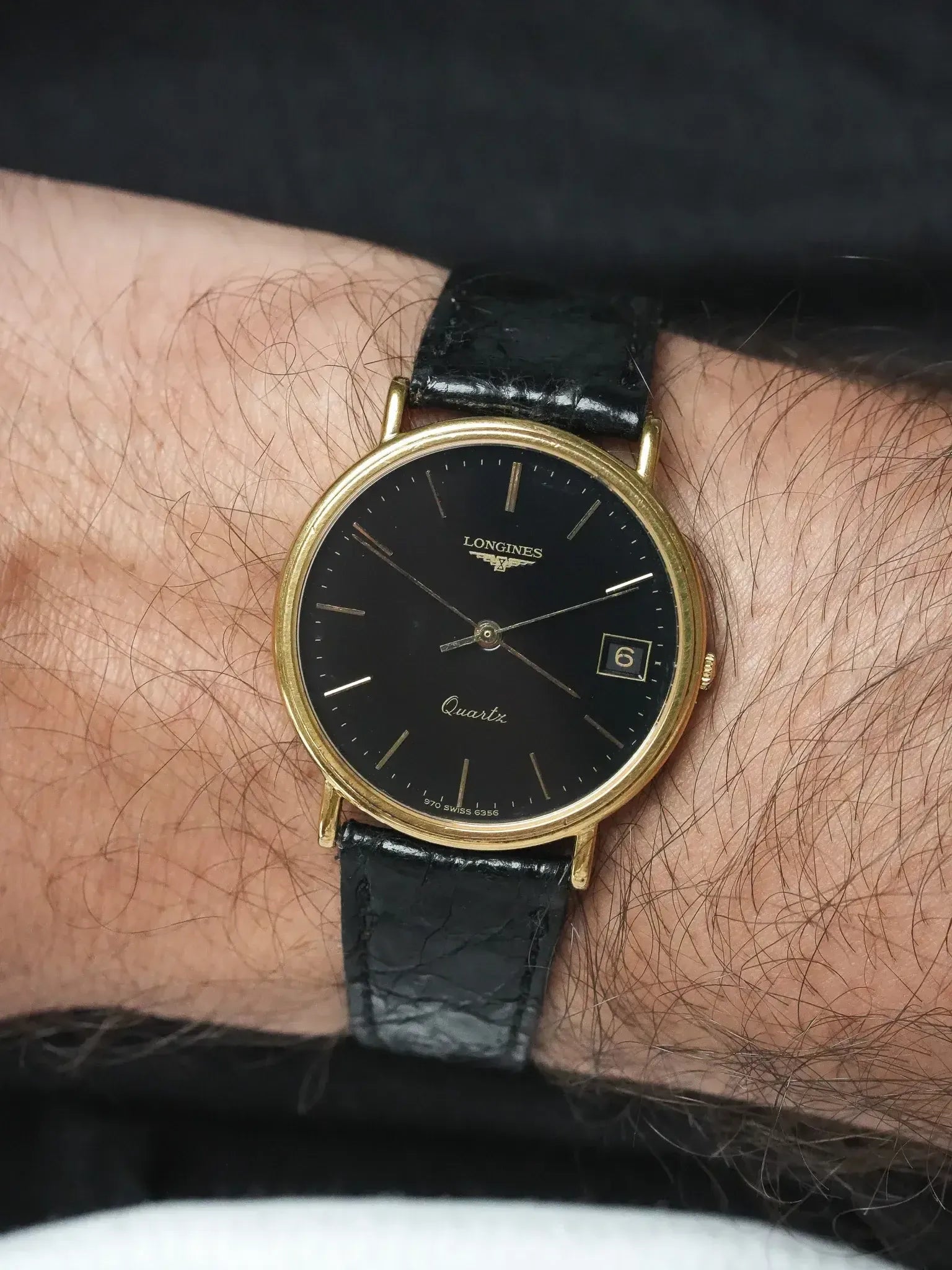
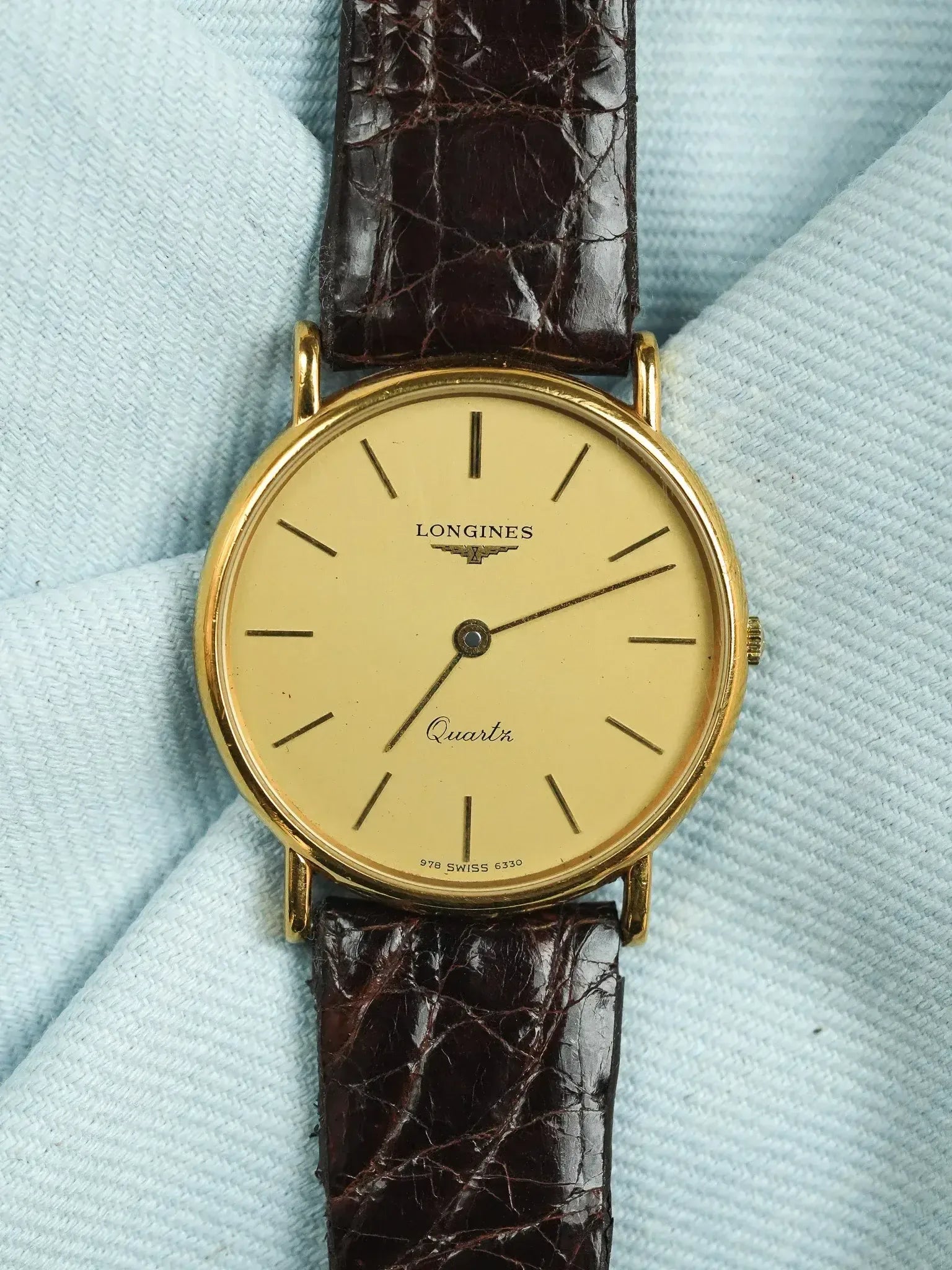
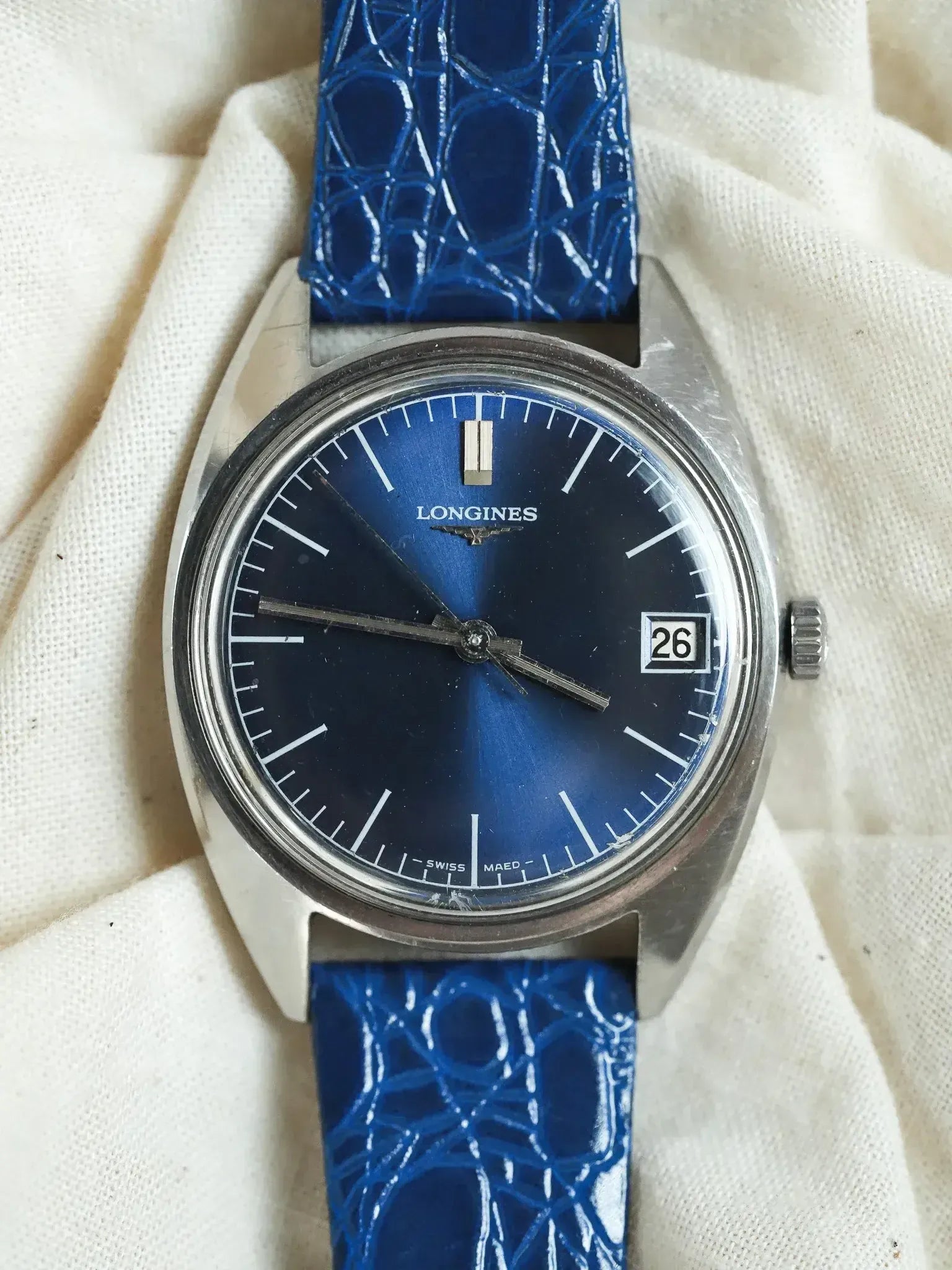
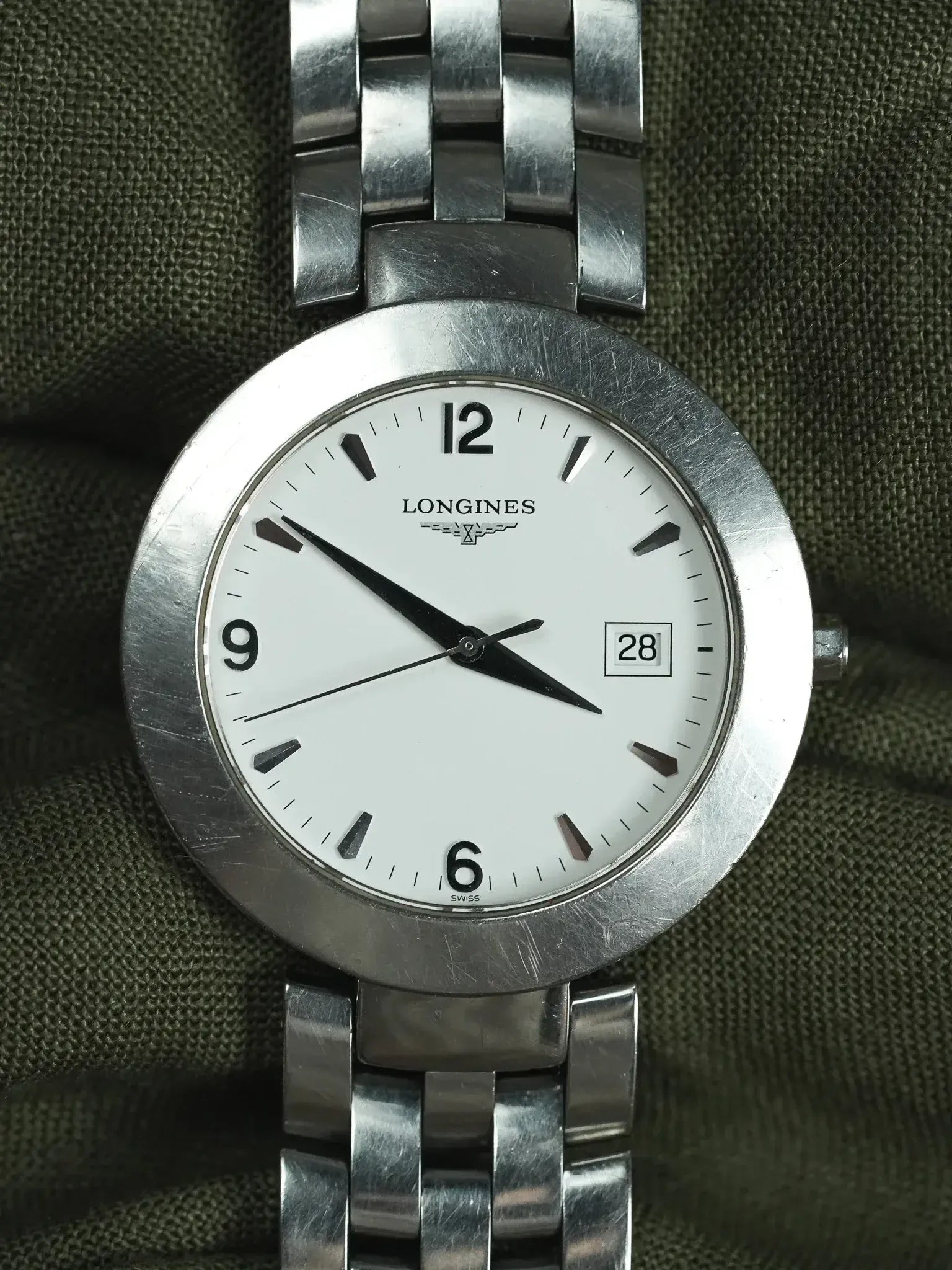
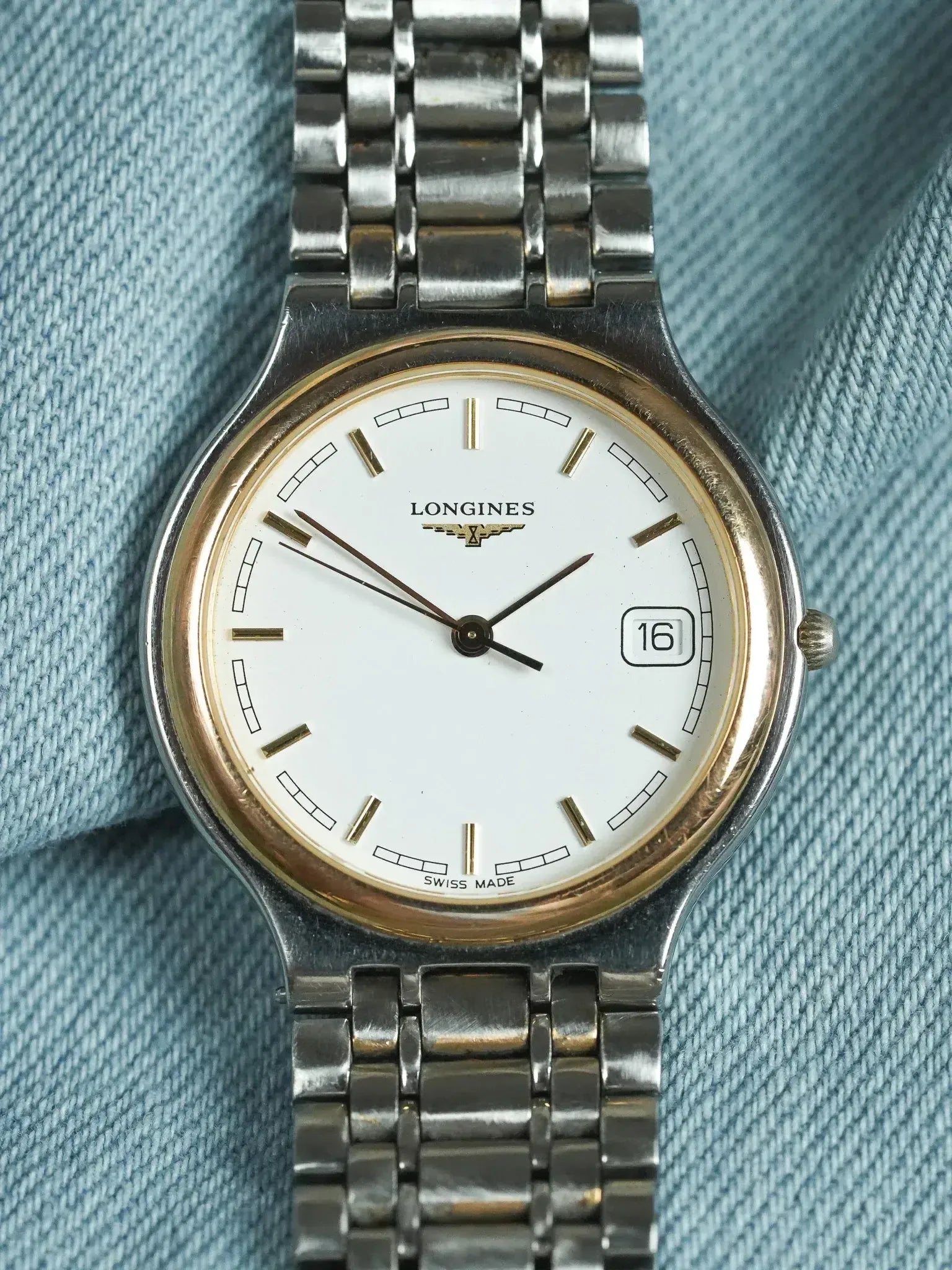
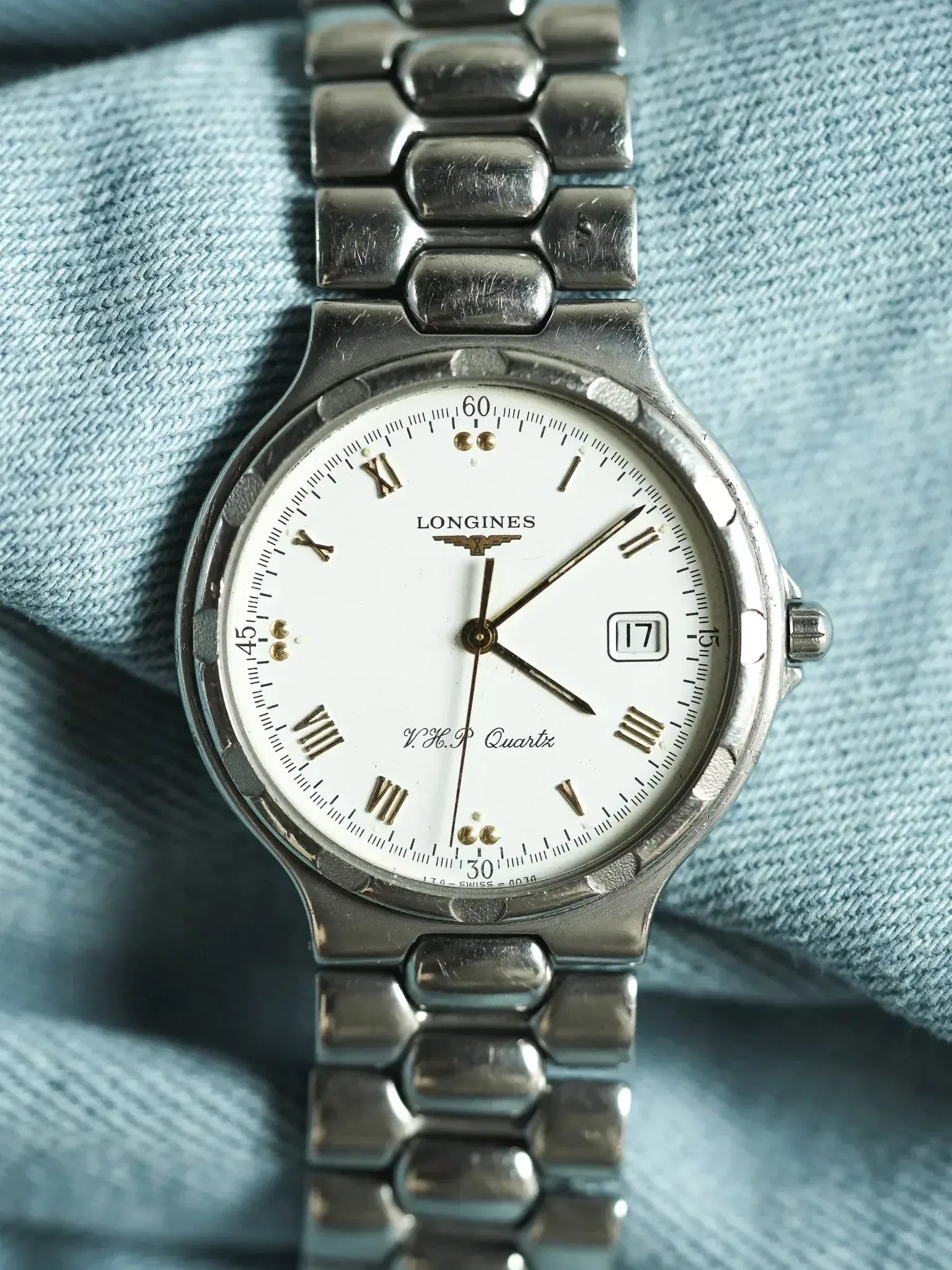
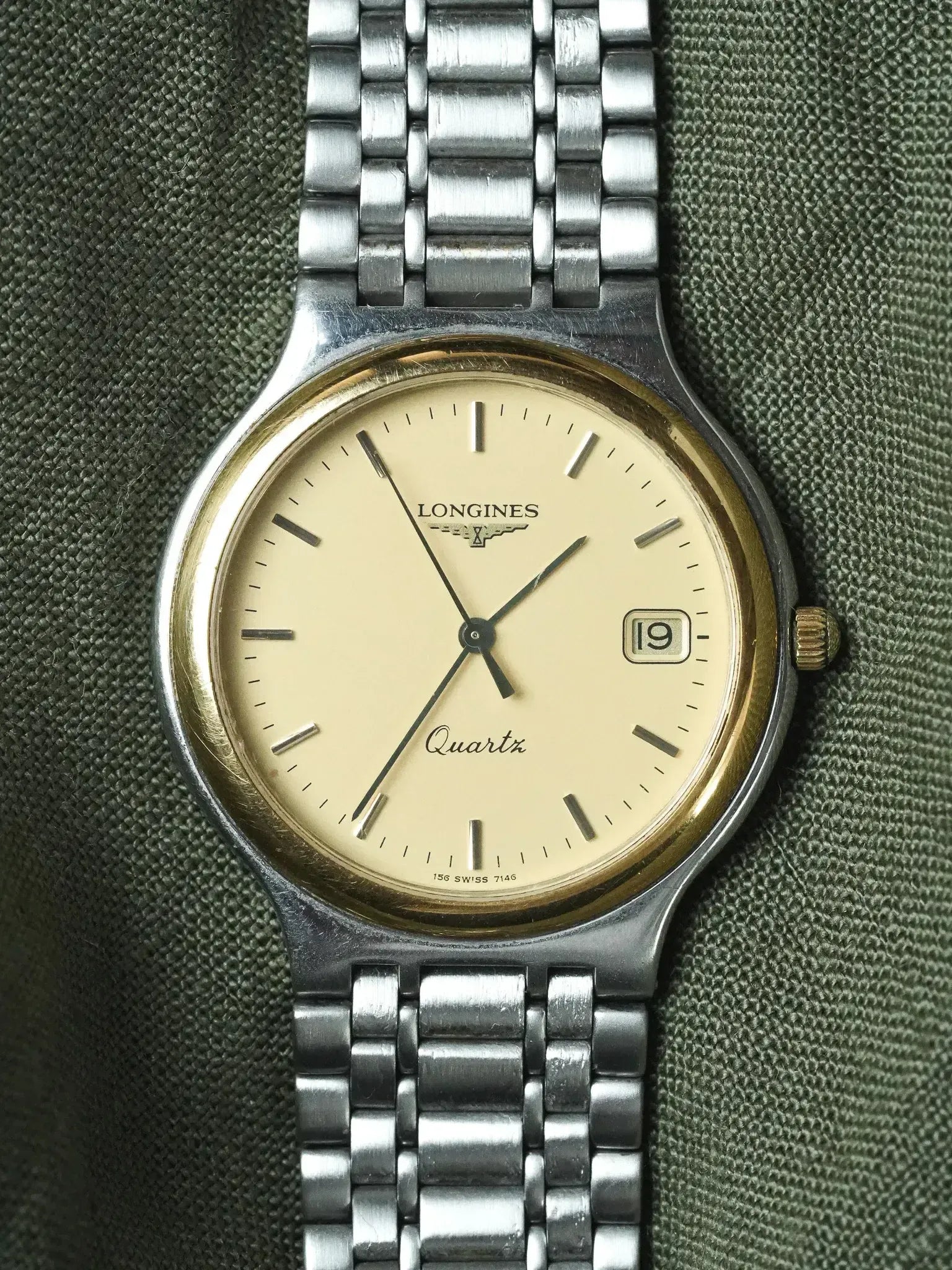
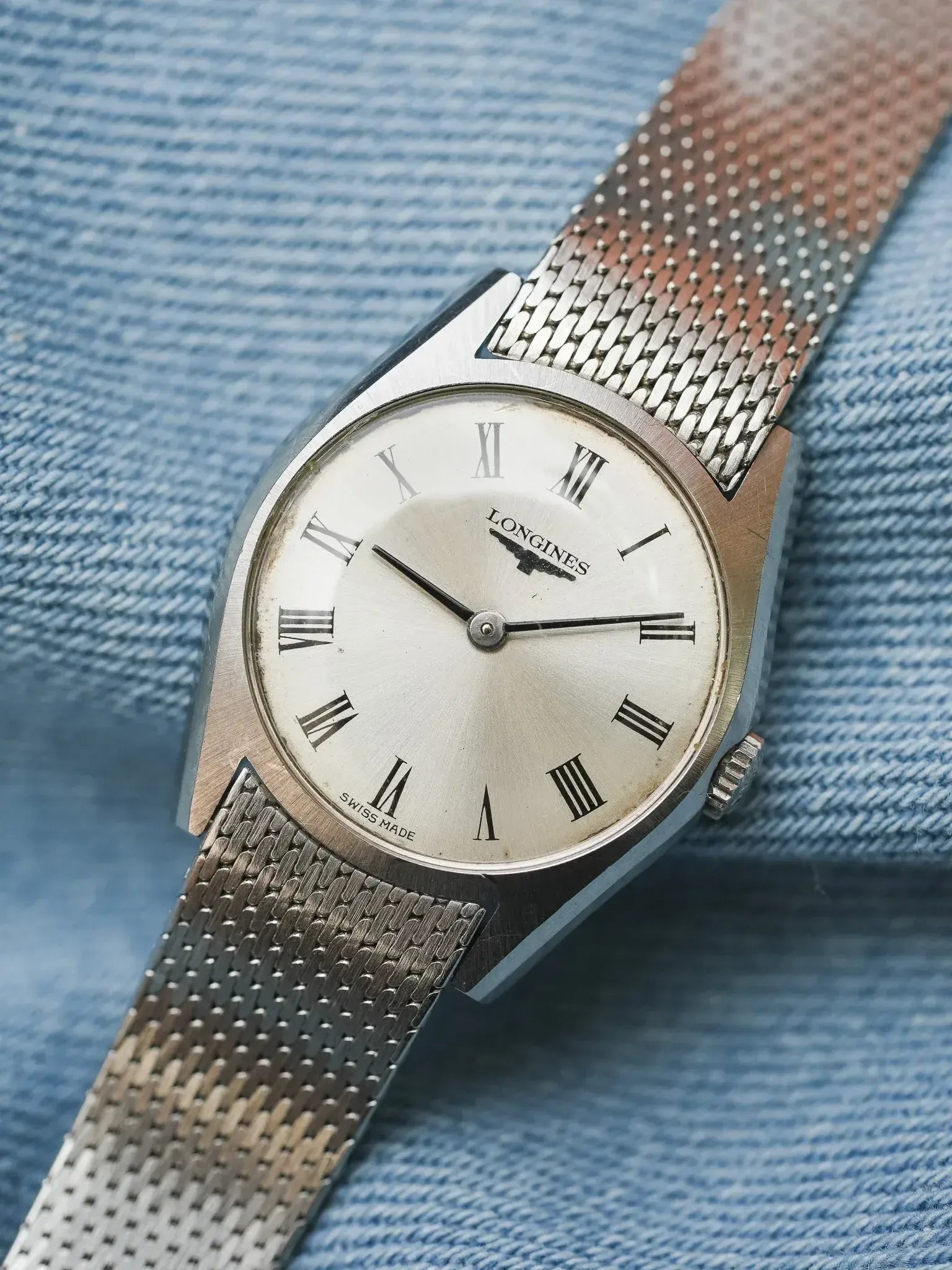
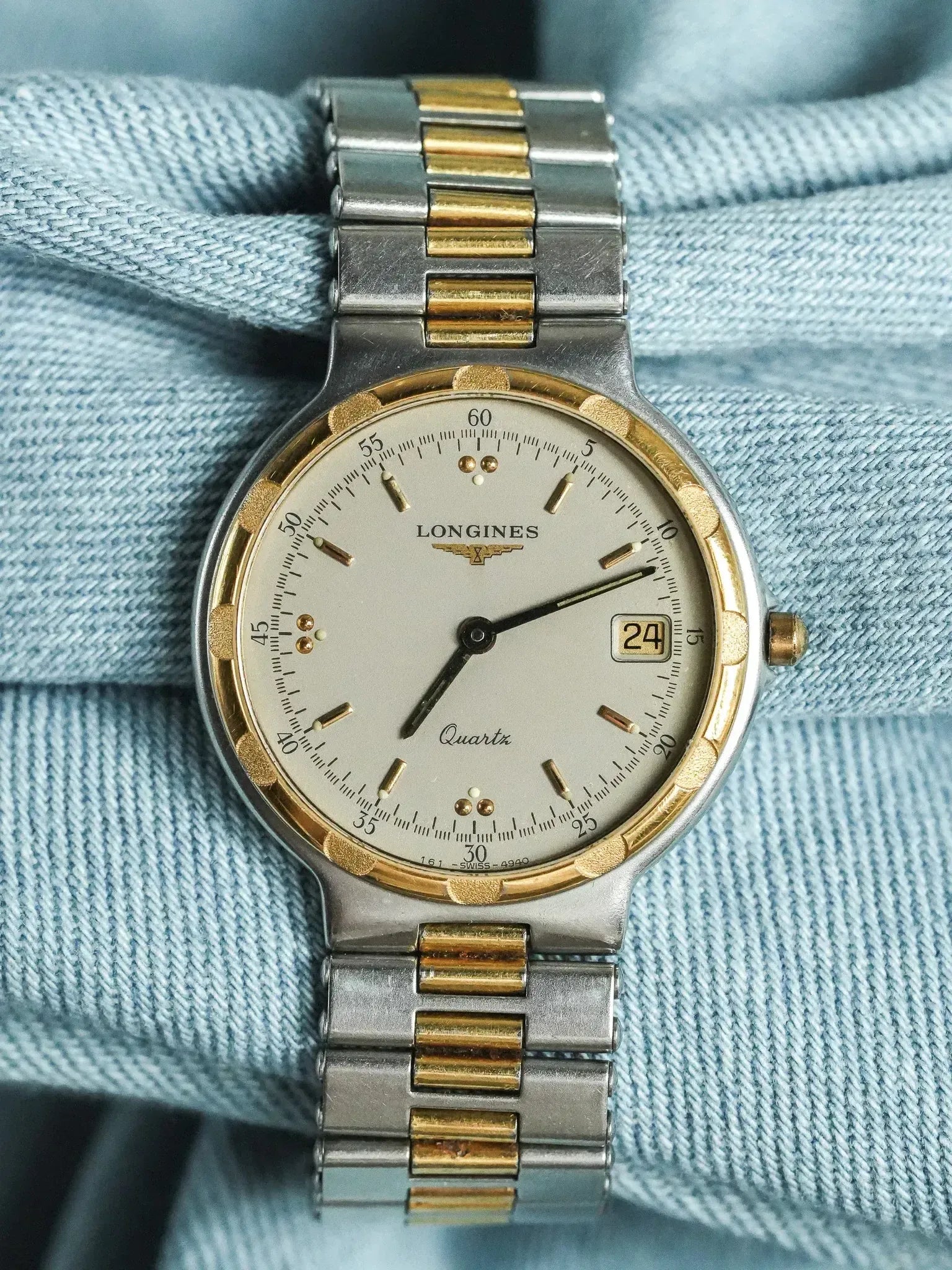
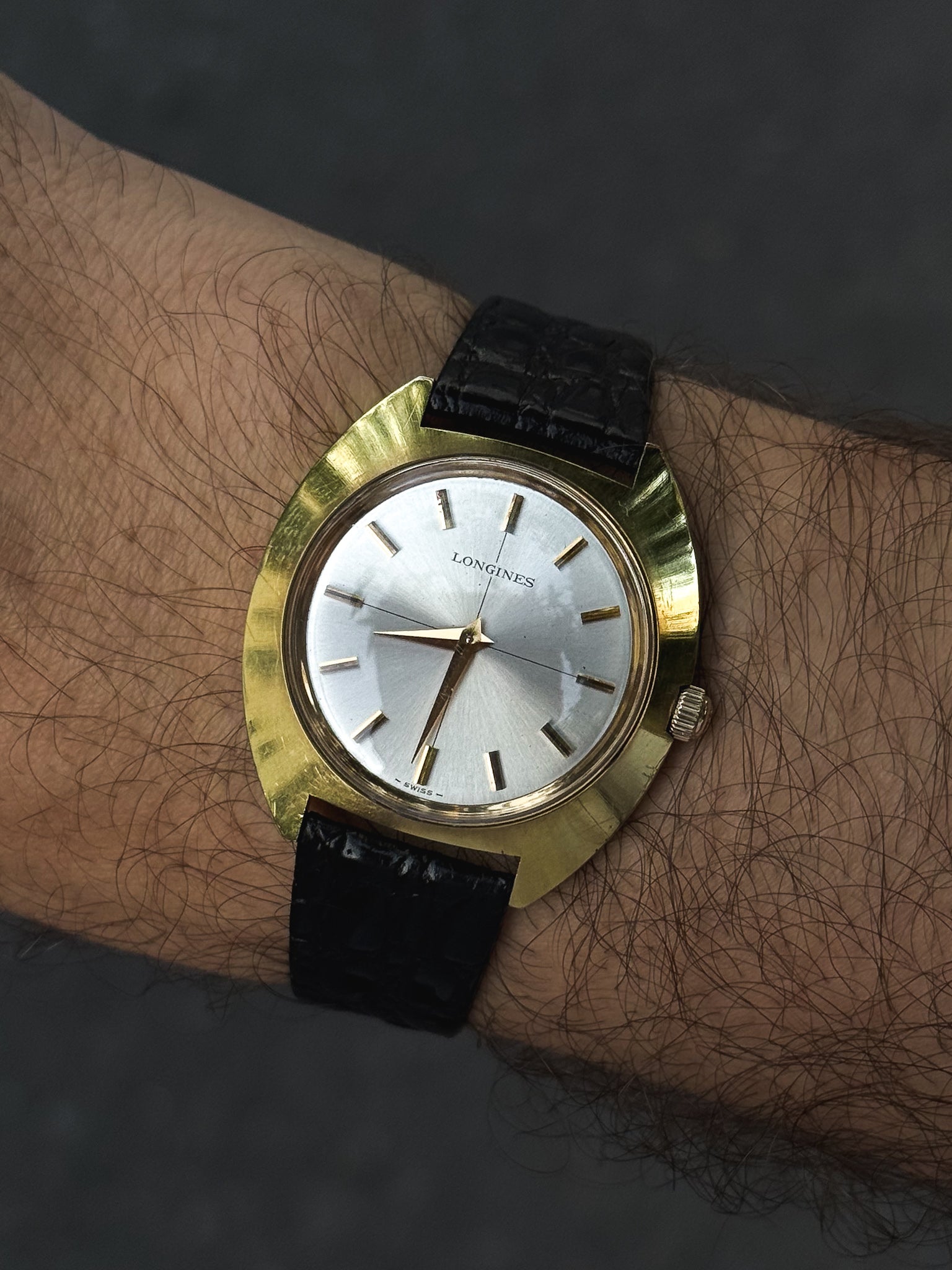
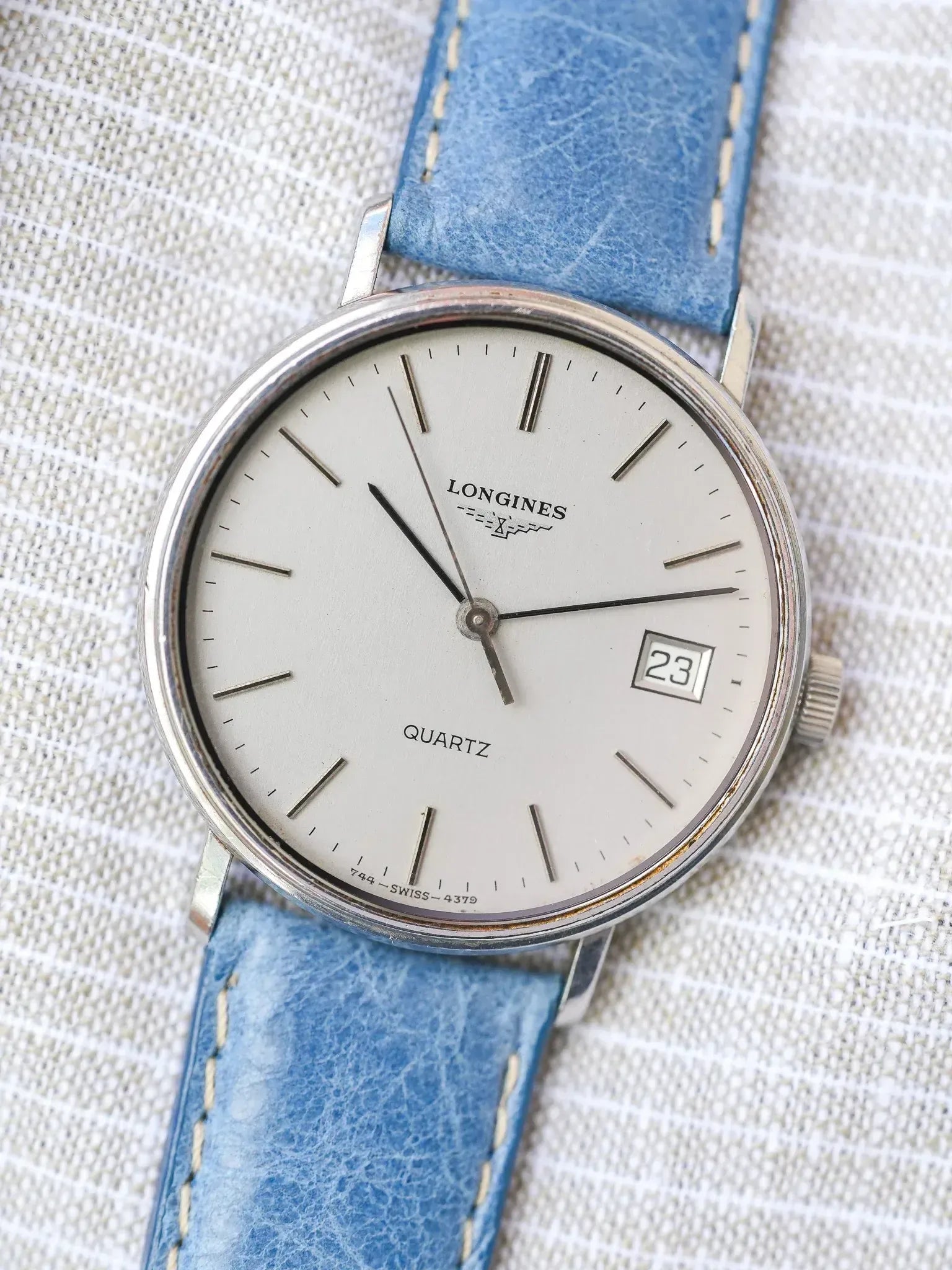
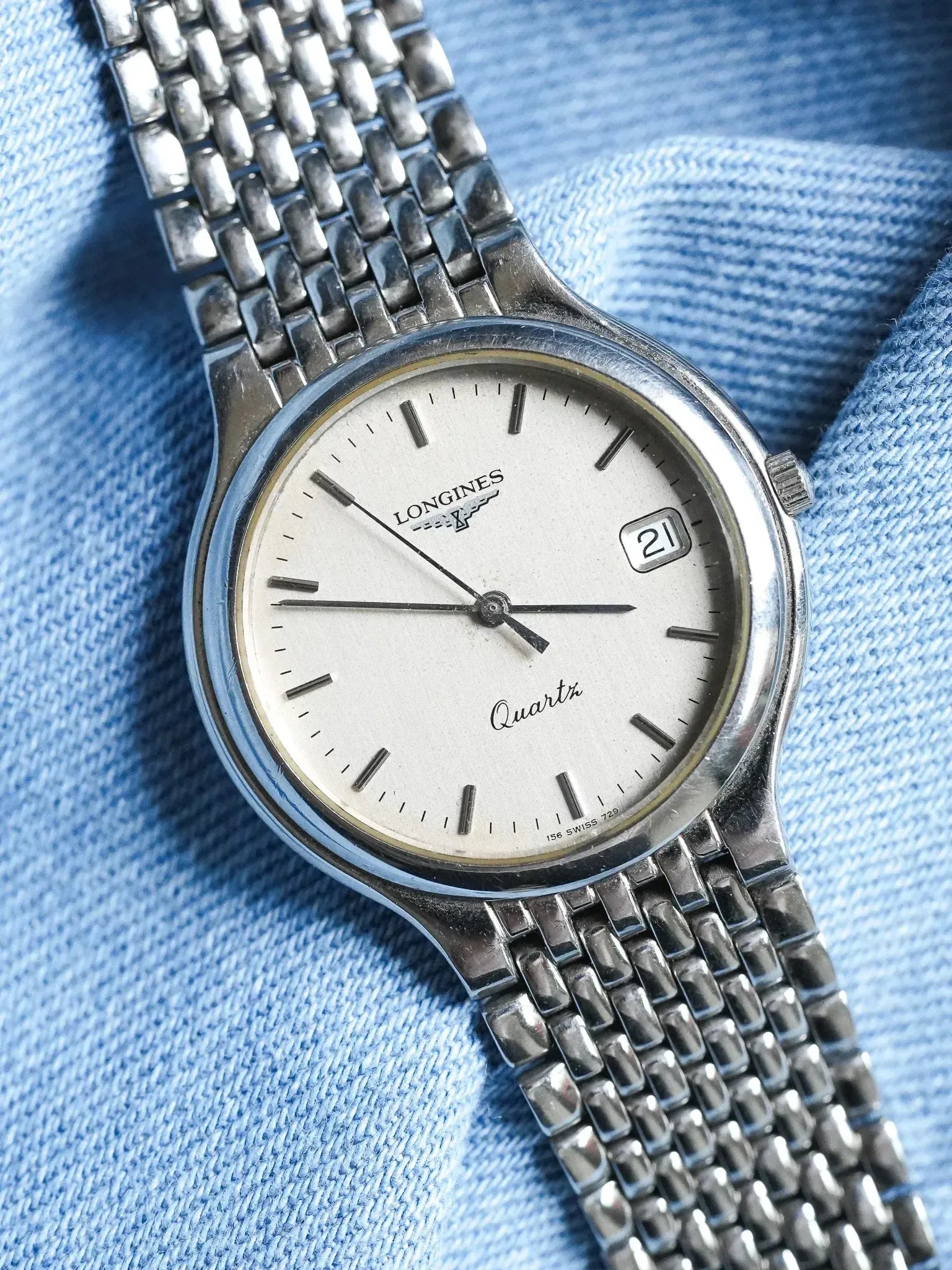
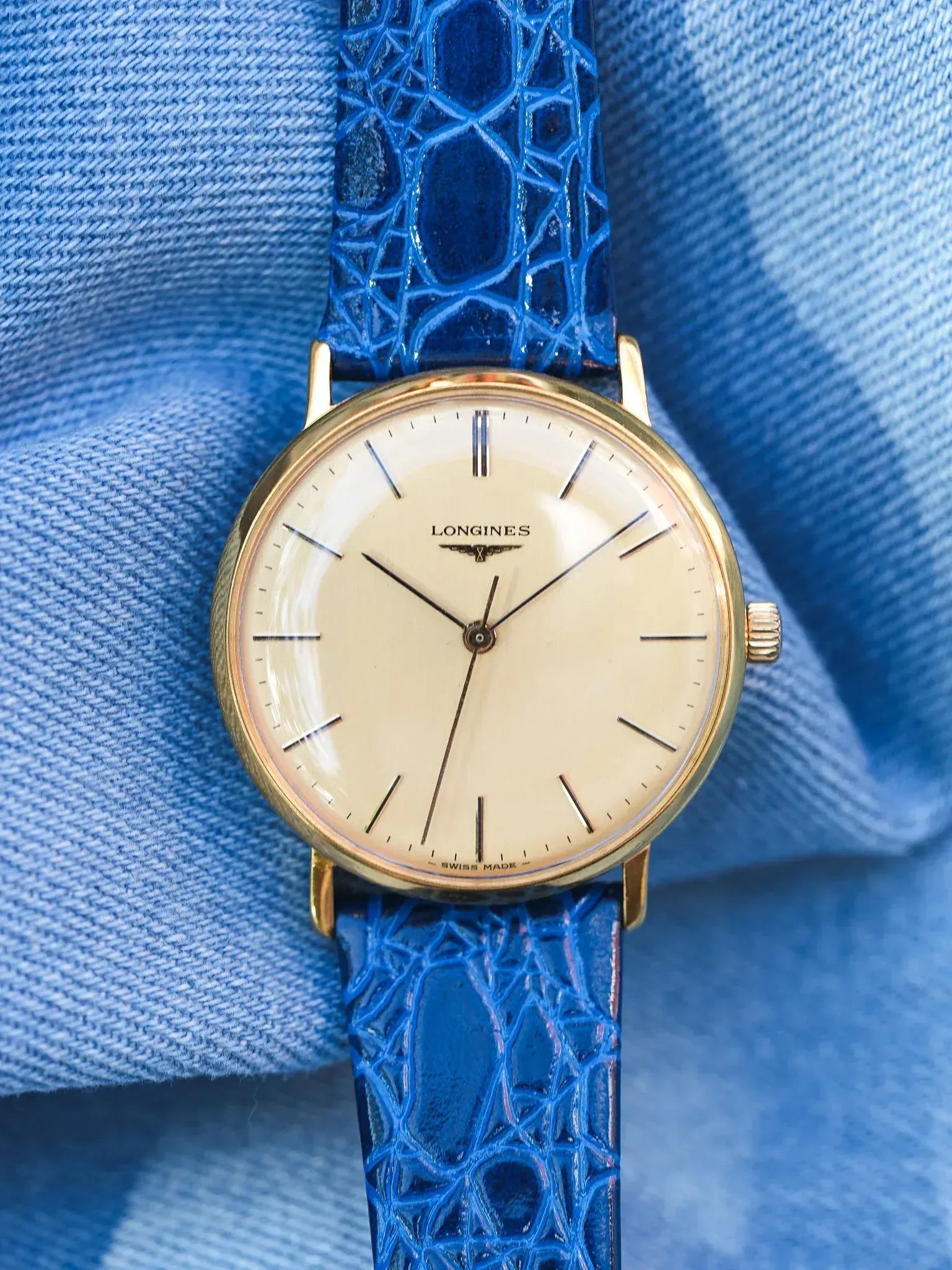
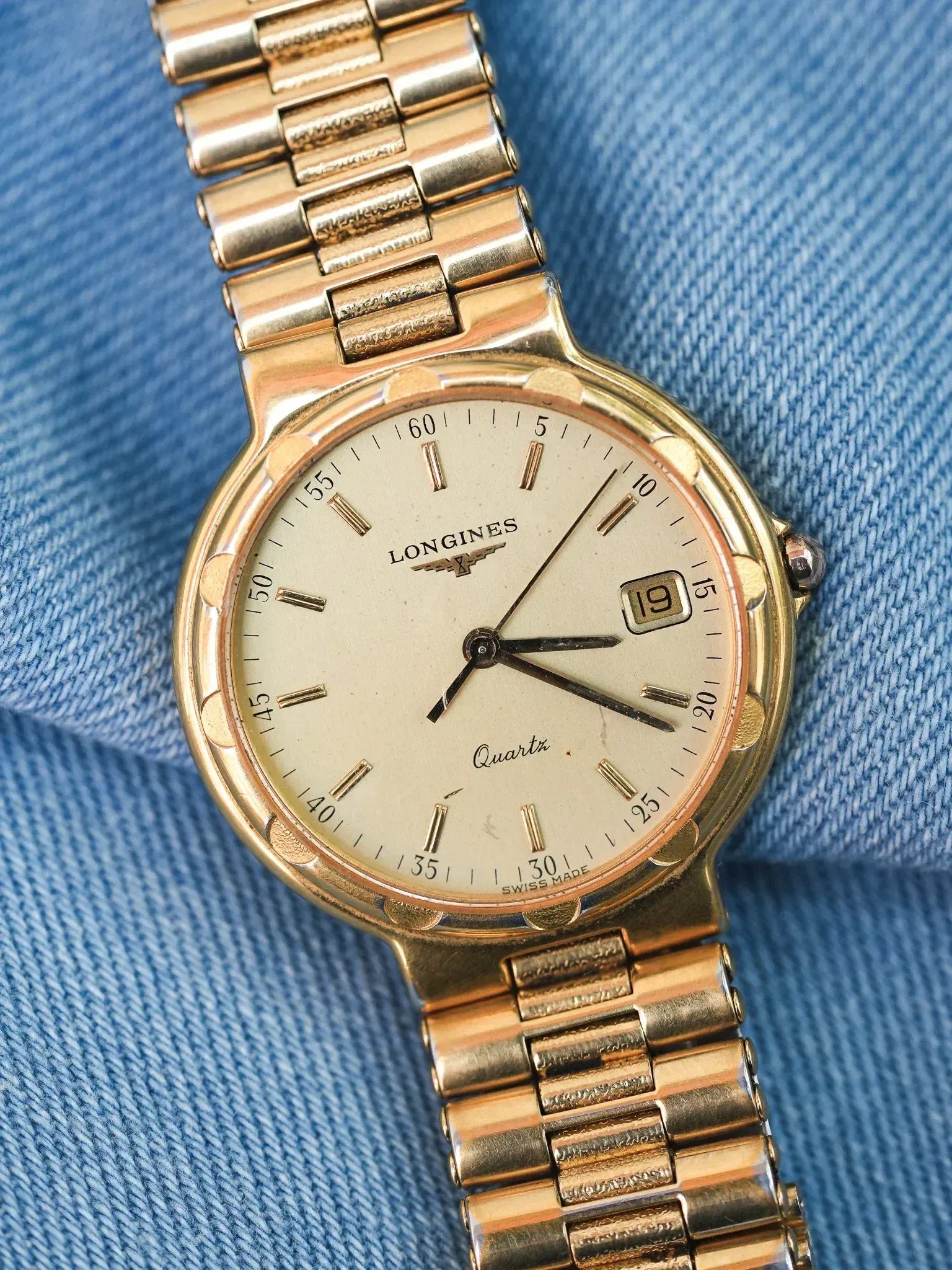
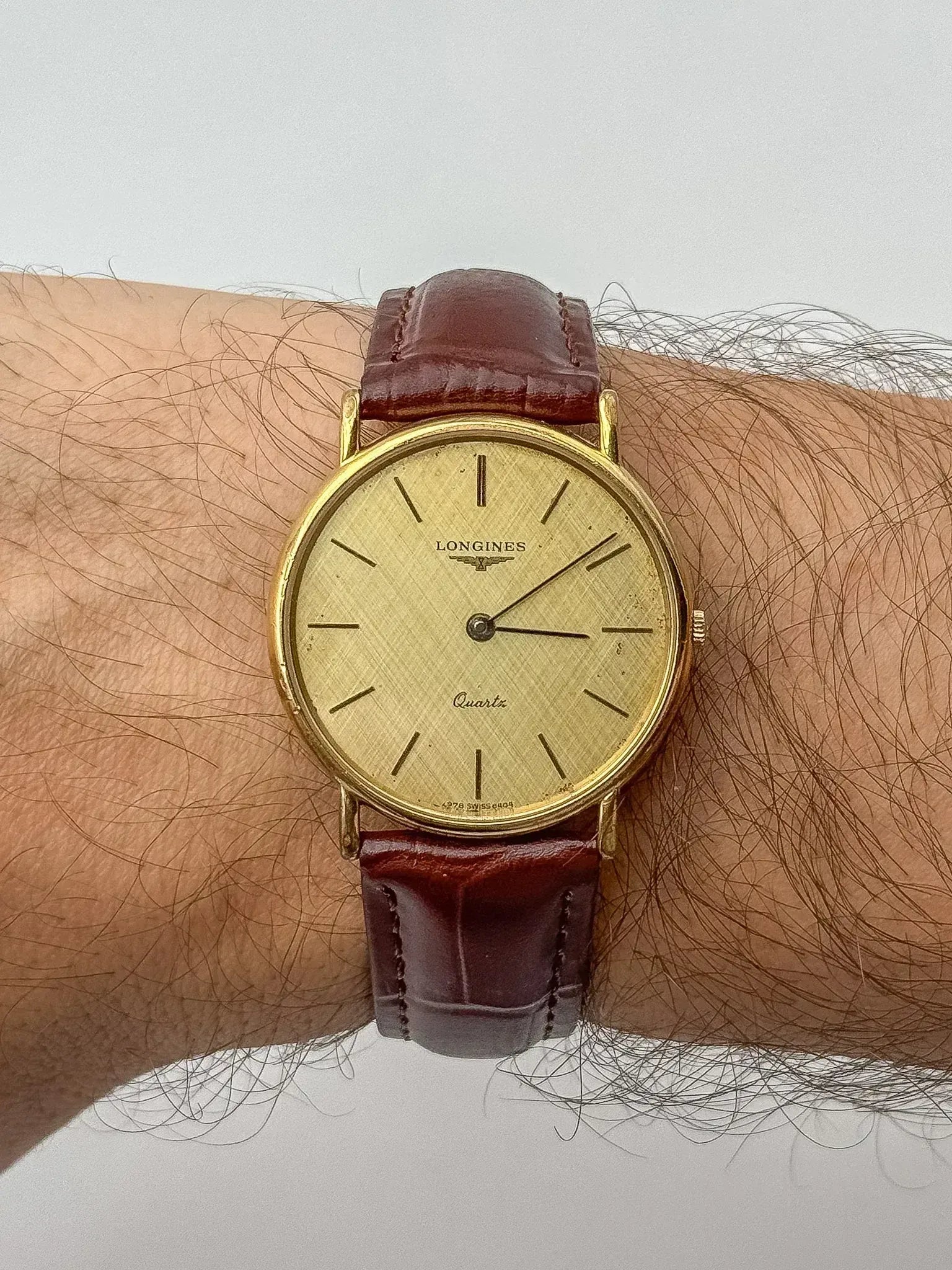
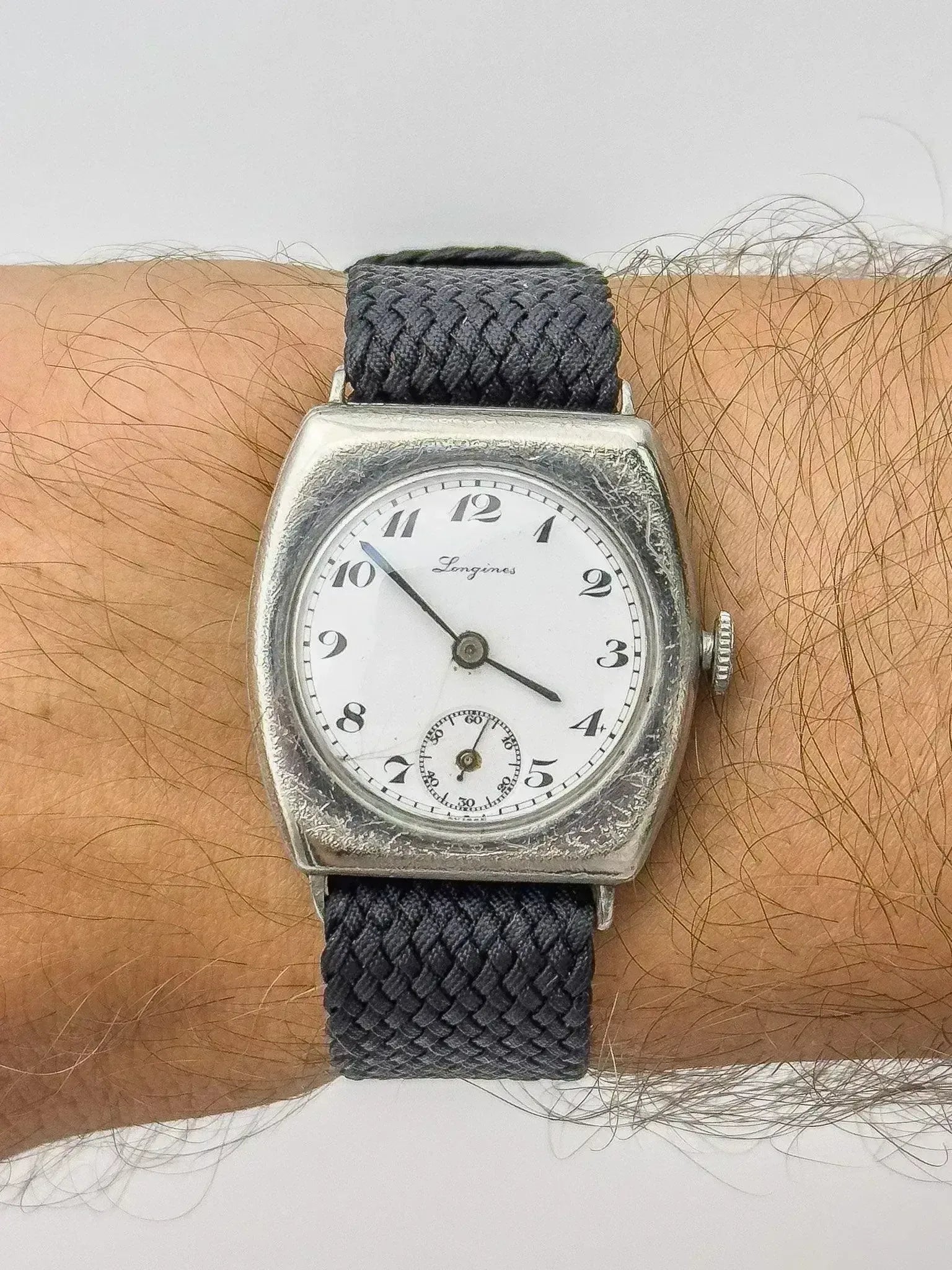
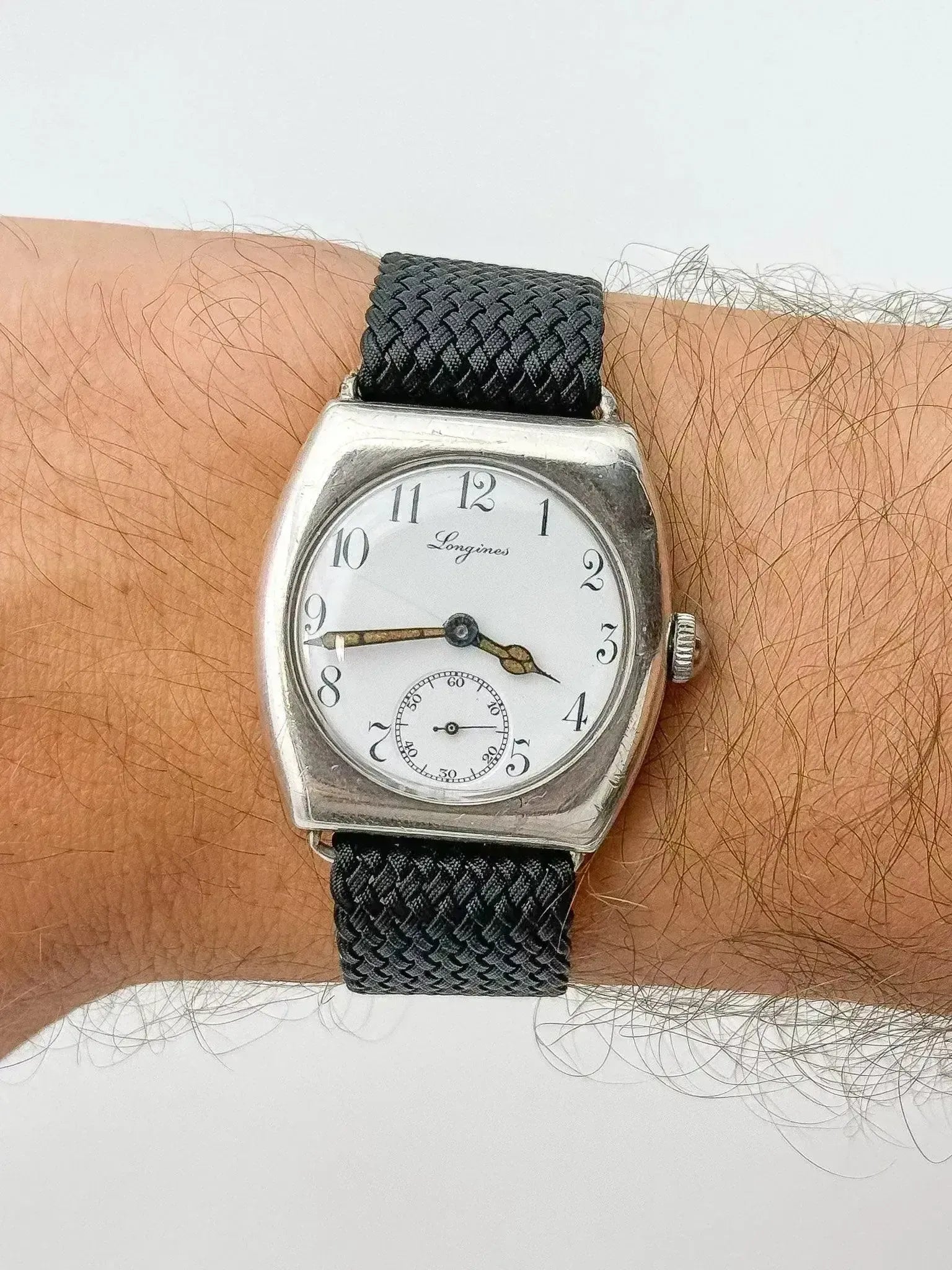
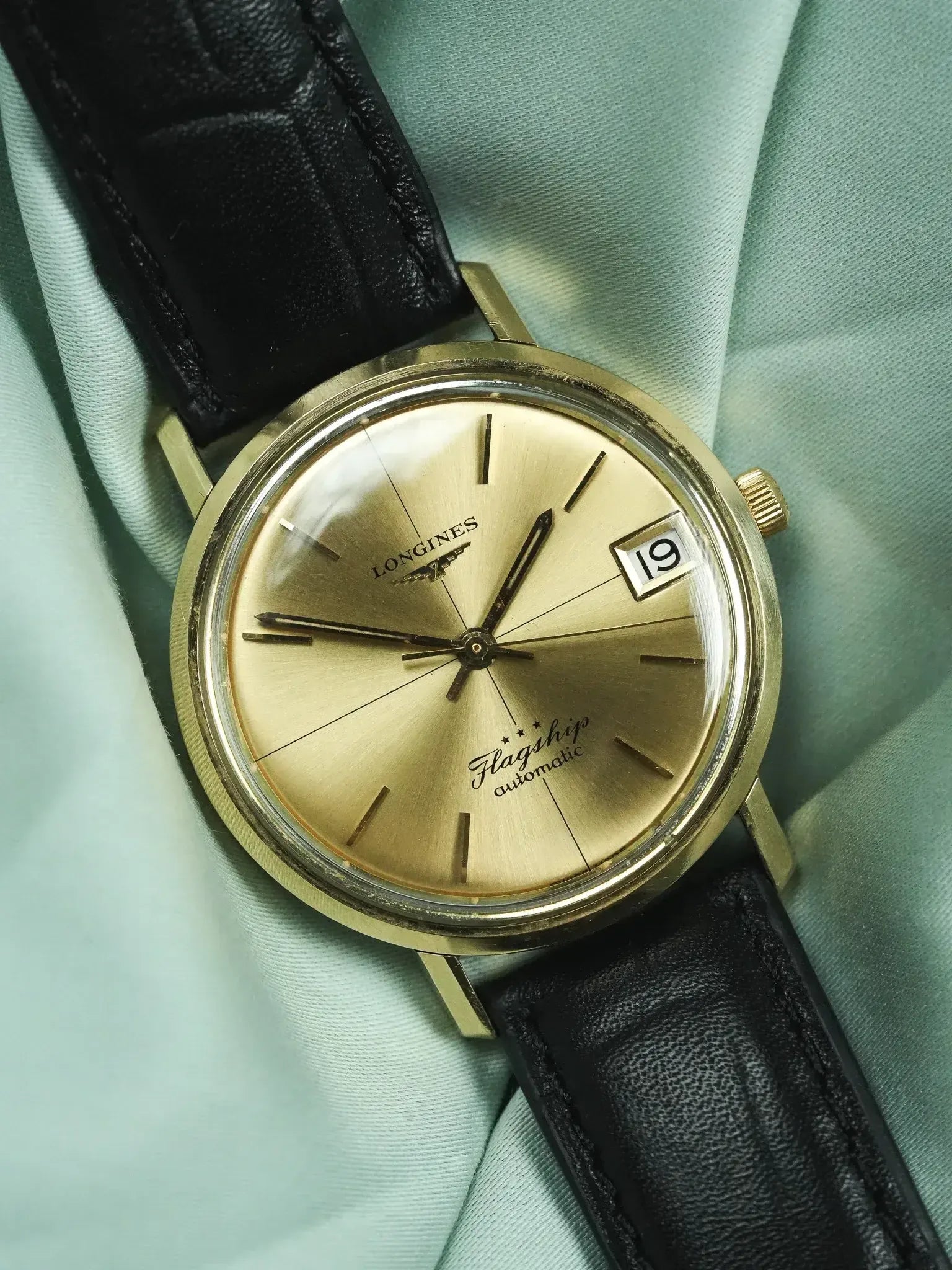
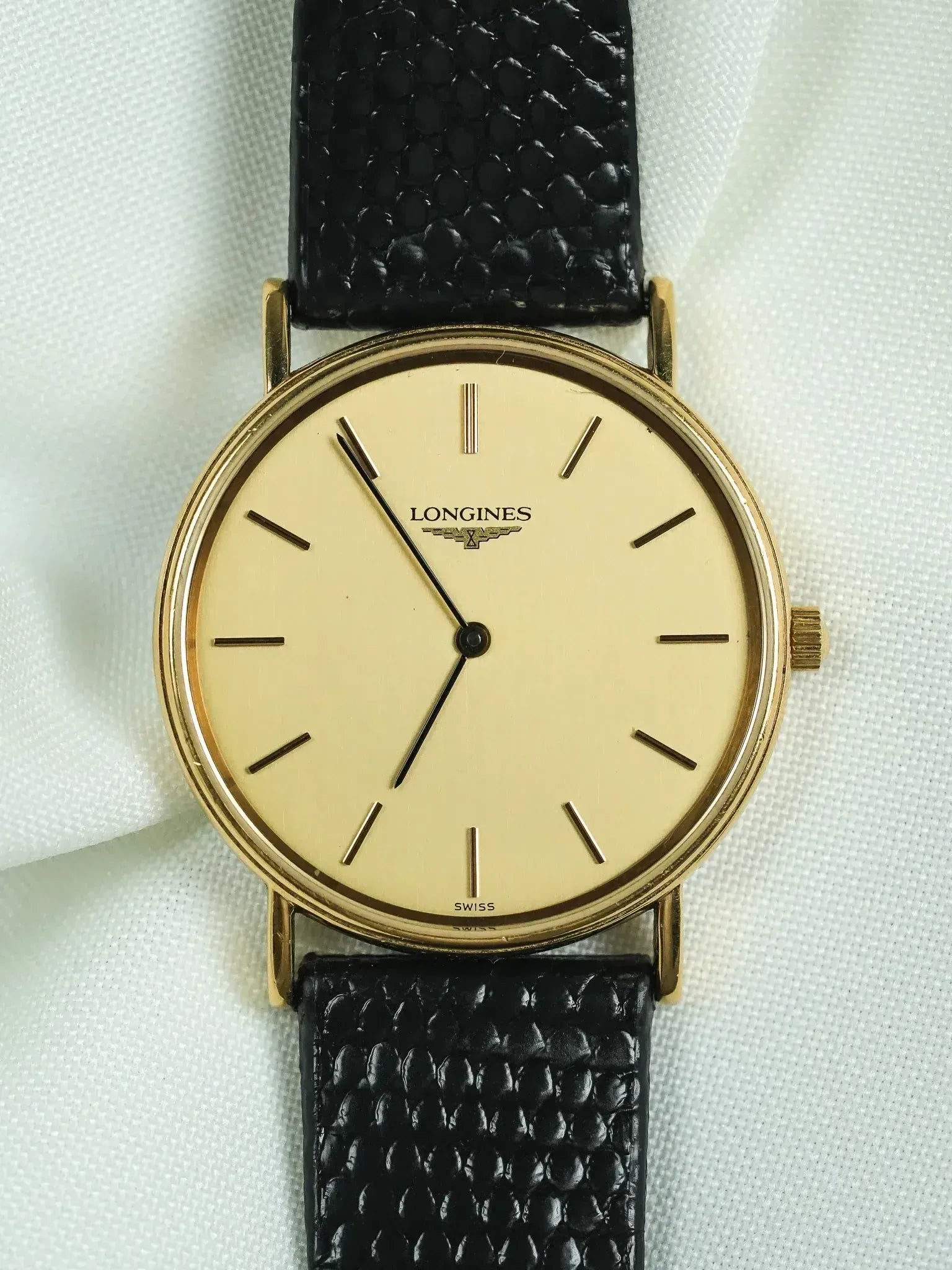

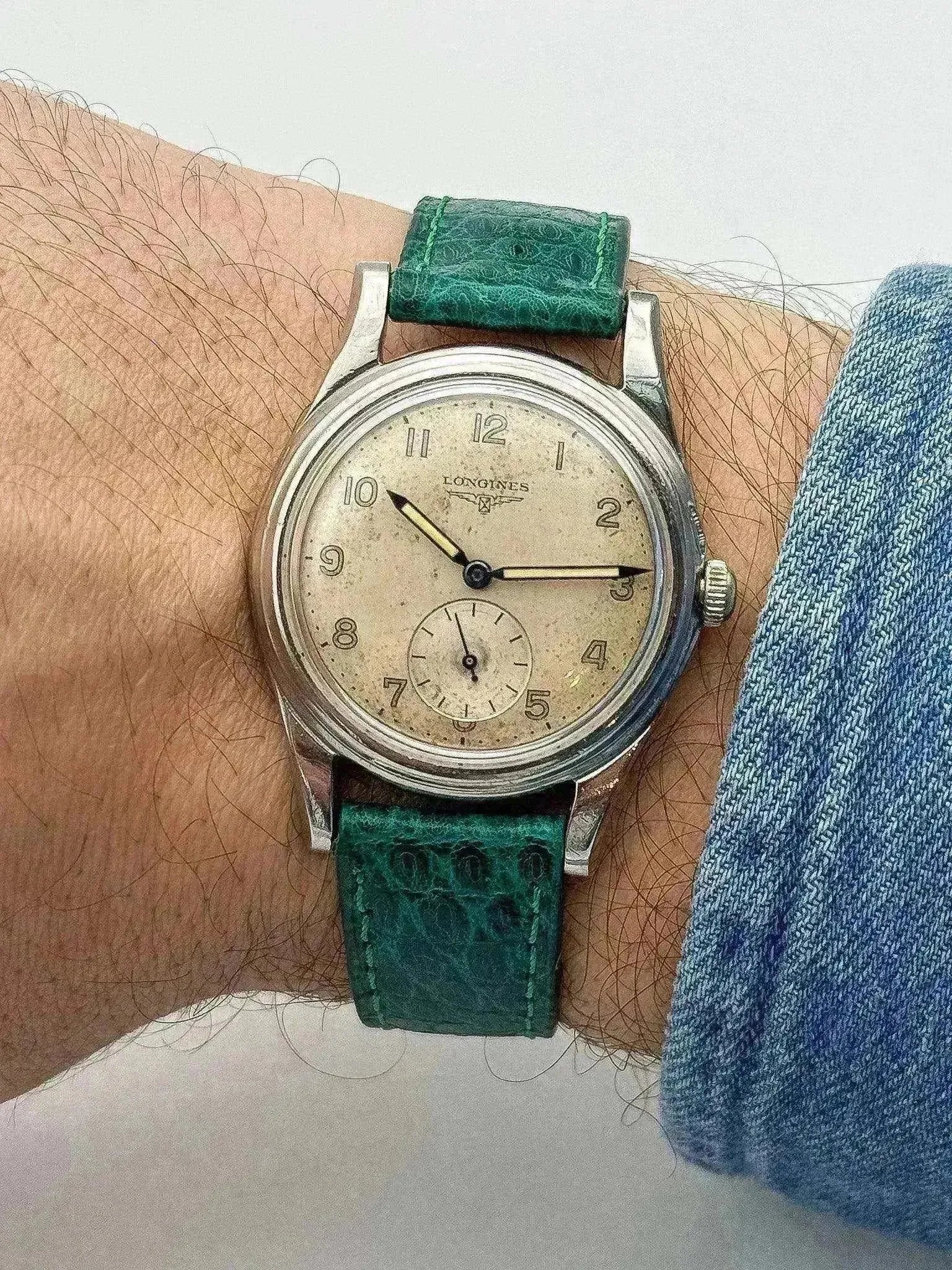
Vintage Longines Watches Guide
Founded in 1832 in Saint-Imier, Longines is one of the oldest Swiss watchmaking manufacturers still in operation. Official timekeeper of the Olympic Games fourteen times, partner of Charles Lindbergh, pioneer of high-frequency movements — discover the history, calibers, collections, and expert advice to choose your vintage Longines watch.
Read the guide
Longines: Nearly Two Centuries of Swiss Watchmaking
The history of Longines begins in 1832, when Auguste Agassiz founded a watchmaking counter in Saint-Imier, in the Bernese Jura. In 1867, his nephew Ernest Francillon built a factory on land called "Es Longines" (the long pieces of land in old French) — the name would remain. It was one of the first genuine watchmaking factories in Switzerland, integrating under one roof the production of calibers and the assembly of watches. Longines obtained its first patent in 1867 and won a medal at the Paris Universal Exhibition the same year — the beginning of a long series of international distinctions.
Throughout the 20th century, Longines built its reputation on two axes: chronometric precision and classic elegance. The brand became the official timekeeper of the Olympic Games fourteen times between 1905 and 2019, timing equestrian competitions, car rallies, and ski races. In 1927, Longines accompanied Charles Lindbergh during the first solo transatlantic flight — the Hour Angle watch, designed with the pilot, allowed the calculation of longitude in flight. In 1931, Amelia Earhart also wore a Longines during her crossing. The brand adopted the winged hourglass as its logo from 1867 — it is today the oldest watchmaking logo still in use without modification. Longines is now part of the Swatch Group.
The Longines Vintage Collections in Detail
Flagship: The Flagship
Launched in 1957, the Longines Flagship is the signature collection of the house. Its name (the "flagship") reflects Longines' ambition to concentrate the best of its know-how in this line. Each Flagship has on the case back a medallion representing a caravel sailing with full sails — a finishing detail that has become an identification mark for collectors. The vintage Flagship was produced in steel, gold-plated, 10-carat gold, 14-carat gold, and 18-carat gold. Round cases from 34 to 36 mm, silver or gold dials with applied indexes, dauphine hands, automatic movements (caliber 340, 17 jewels) or mechanical. It is the classic Longines by definition — sober, readable, well-proportioned.
Conquest: The First Collection of the House
The Longines Conquest Launched in 1954 — it is the first line of watches officially named by Longines, and the first collection of the brand to be protected by the Swiss Federal Institute of Intellectual Property. The first generation (up to 1959) is distinguished by a sophisticated design, water-resistant screw-down case backs, and calibers often certified as chronometers. The caliber 291 (automatic) and the caliber 19AS are the most common movements on vintage Conquest models. Some rare models feature a power reserve indicator on the dial — a distinctive display that has become highly sought after. Cases of 35 mm in steel or gold, sunburst dials, applied indexes. The vintage Conquest represents a particularly interesting access to quality Swiss watchmaking.
Admiral: The Design of the 60s-70s
Released in the late 50s, the Longines Admiral adopts a decidedly modern positioning for the time. Vintage Admiral models frequently include day-date complications (day of the week + date), which are rarer than the simple date on the Flagship and Conquest collections. Textured dials, characteristic colors of the 60s-70s (blue, green, champagne), cases from 35 to 41 mm — the oldest Admirals are renowned for the reliability of their movements. The Admiral Diver variant is a sought-after vintage dive watch — an accessible alternative to the Rolex Submariner and Blancpain Fifty Fathoms of the same era.
Ultra-Chron: The Race for High Frequency
In 1967, Longines launched the Ultra-Chron equipped with the caliber L430 — an automatic movement oscillating at 36,000 vibrations per hour (5 Hz), double the standard frequency of the time (18,000 vph). This high frequency allows for a chronometric precision significantly superior to conventional movements. The Ultra-Chron is part of the technological race of the 60s — where Longines, Zenith (El Primero, also 36,000 vph), and Girard-Perregaux (Gyromatic HF) competed in innovation before the advent of quartz. Vintage Ultra-Chron models are available in round, cushion, or tonneau cases, in steel or gold — highly appreciated technical pieces among knowledgeable collectors. Note: high-frequency movements require more frequent maintenance (every 3 to 4 years) due to increased wear associated with the oscillation speed.
Legend Diver: The Historic Diver
The original Longines Legend Diver from the 60s is one of the most sought-after vintage dive watches. Its particularity: an internal rotating bezel operated by a second crown at 2 o'clock, rather than an external bezel. Case in 42 mm steel (large for the time), enhanced water resistance, black dial with luminous indexes — it is a tool watch designed for professional diving. The original Legend Diver is rare on the vintage market — models in good condition with original dial and hands are particularly valued.
Tank, La Grande Classique & Présence
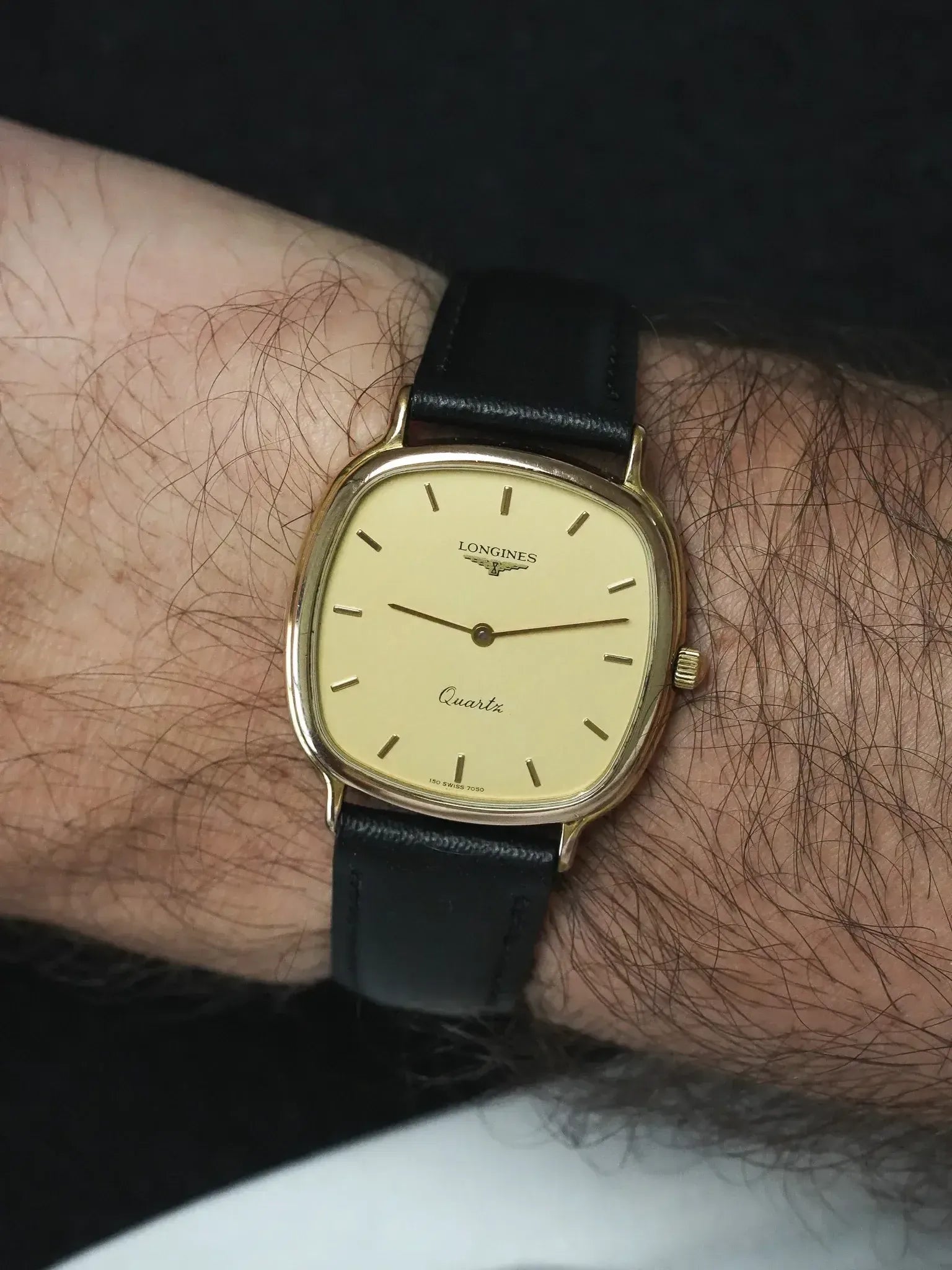
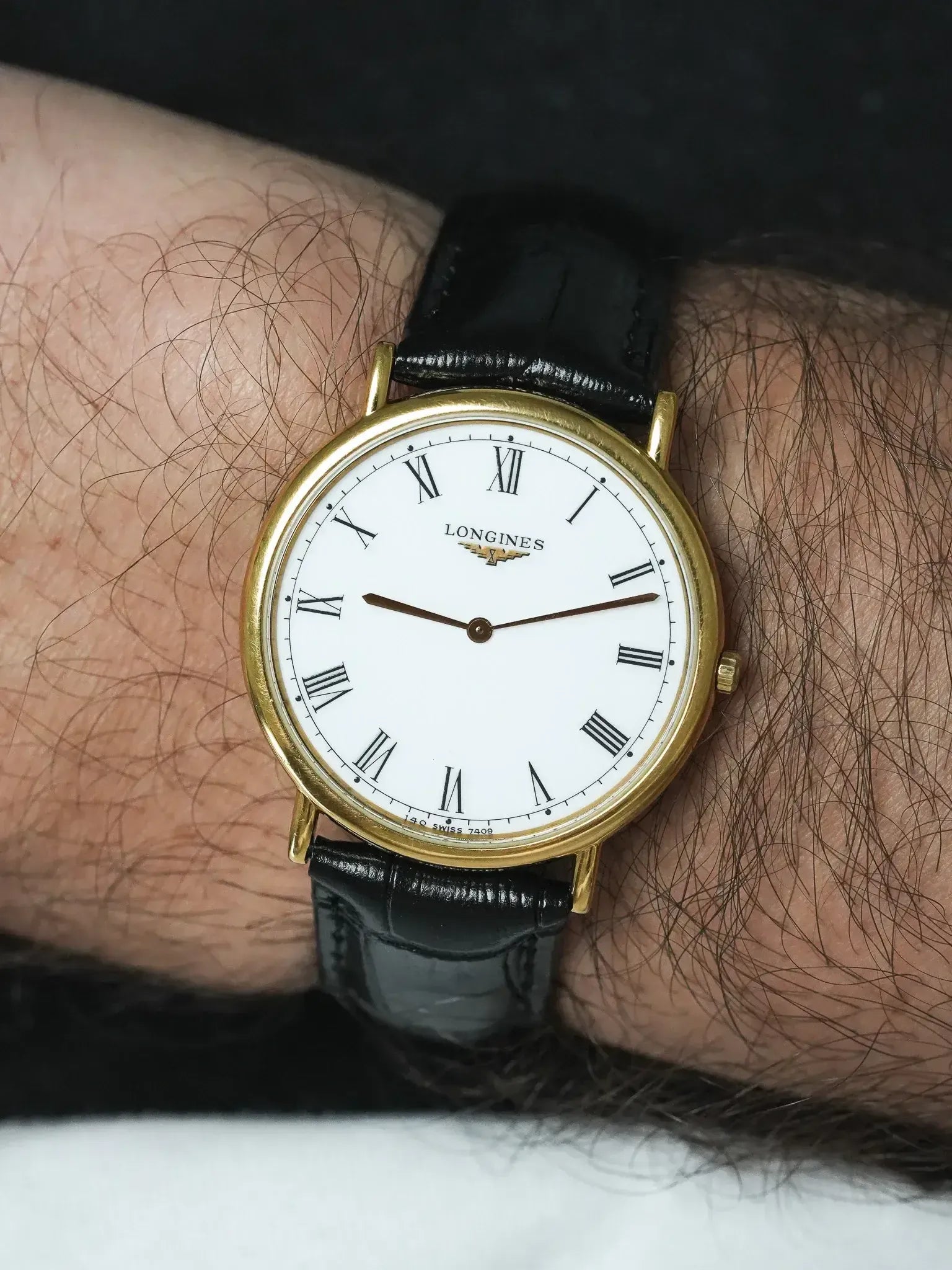
Beyond the main collections, Longines has produced remarkable dress watches. The vintage Longines Tank — rectangular case with Art Deco inspiration, in steel or gold-plated — is a classic dress watch with a sober format. The La Grande Classique is distinguished by its ultra-thin case and integrated link bracelet — a particularly slim profile on the wrist. The Présence offers a traditional round format, clean dial, quartz movement — an accessible Longines dress watch.
The Longines Calibers: Understanding Vintage Movements
The vintage Longines calibers are among the references of 20th-century Swiss watchmaking. Here are the most common movements on vintage Longines:
- Caliber 30L — hand-wound, produced from the 1950s to the 1960s. Robust, precise, easy to maintain. One of the most appreciated Longines calibers among collectors.
- Caliber 340 — automatic, 17 jewels. The standard movement for the Flagship models of the 1960s. Reliable and well-finished.
- Caliber 291 / 19AS — automatic, Conquest. Precise, often chronometer certified.
- Caliber L430 / L431 — Ultra-Chron, high-frequency automatic 36,000 A/h. Major technical innovation. The L431 includes the date.
- Caliber L633 — automatic day-date, Admiral. Robust, practical for everyday use.
- Caliber 30CH — in-house chronograph hand-wound. The Longines in-house chronograph caliber — rare and highly sought after.
- Calibers Valjoux 72 / 7733 — chronographs. Reliable Swiss ébauche movements used in some Longines chronographs.
- Caliber L990 — ultra-thin automatic launched in 1977, only 2.95 mm thick. A reference caliber for fine dress watches.
At Atelier Victor, our watchmakers master the servicing of all these calibers. Each movement is disassembled, cleaned, oiled, adjusted, and tested before being offered for sale.
Longines vs Omega: Understanding the Positioning
This is a question that collectors frequently ask. In the 1950s-60s, Longines and Omega were direct competitors — positioned at the same level, with comparable quality calibers and equivalent prices. Longines regularly won the chronometry competitions at the Neuchâtel Observatory, often ahead of Omega. It was only from the 1980s-90s, after integration into the Swatch Group, that Longines was repositioned a notch below Omega in the group's brand strategy. The consequence for the vintage market: Longines from the 1950s-70s offer movements and finishes at the Omega level, often at pre-owned prices 30 to 50% lower. This makes it one of the most interesting brands for informed collectors.
How to Recognize an Authentic Vintage Longines
The checkpoints our watchmakers verify on each piece:
- Winged hourglass logo — engraved or applied on the dial, present on the movement and case back. The logo has evolved over the decades — its shape allows for approximate dating of the watch.
- Serial number — engraved on the back of the case. Longines has complete archives allowing verification of the production date and original destination of each watch.
- Flagship medallion — relief caravel on the case back of Flagship models (absent on Conquest and Admiral).
- Movement marking — "Longines" engraved on the movement with the caliber number. Vintage Longines movements feature meticulous finishes (Côtes de Genève, perlage).
- Dial — "Longines" typography specific to each era, winged hourglass logo, "Swiss Made" or "Swiss" at the bottom of the dial.
At Atelier Victor, each Longines watch is authenticated by our experts. Each piece is accompanied by an Atelier Victor invoice and a lifetime authenticity guarantee.
Longines Vintage on the Pre-Owned Market
Longines is considered by watch market observers as one of the most underrated vintage brands compared to the actual quality of its calibers and finishes. Models with increasing demand: chronographs with caliber 30CH (increasingly rare manufacture caliber), the original Legend Diver from the 60s, Ultra-Chron high-frequency models, and the first-generation Conquest models with power reserve. The presence of the original box and papers significantly increases the value of a vintage Longines — the brand's archives in Saint-Imier also allow for a request for an archive extract for any Longines watch.
Frequently Asked Questions — Vintage Longines Watches
Which vintage Longines model to choose to start a collection?
The Flagship is the natural entry point: automatic movement caliber 340, classic dial, balanced proportions. The Conquest offers a slightly sportier character with calibers often certified as chronometers. For a more modest budget, the Admiral models from the 60s-70s with day-date complications are reliable and well-finished watches at particularly accessible prices.
What is the difference between Flagship, Conquest, and Admiral?
The Flagship (1957) is the classic dress line — the showcase of the house, identifiable by the caravel medallion on the case back. The Conquest (1954) is the sporty-chic line, often equipped with calibers certified as chronometers. The Admiral (late 50s) is the most modern line of the era, frequently integrating day-date complications and colored dials.
What is the Ultra-Chron and why is it sought after?
The Ultra-Chron (1967) is an automatic watch equipped with a movement oscillating at 36,000 vibrations per hour — double the standard frequency. This high frequency offers significantly superior chronometric precision. The Ultra-Chron is sought after for its technical innovation and its connection to the precision race of the 60s. Note: these movements require maintenance every 3 to 4 years.
How does Longines compare to Omega in vintage?
In the 50s-60s, Longines and Omega were positioned at the same level, with comparable quality calibers. Longines regularly won chronometry competitions. The repositioning of Longines in the 80s-90s within the Swatch group changed the brand's perception. Consequently, vintage Longines from the 50s-70s offer Omega-level movements and finishes at often lower pre-owned prices.
Is the caliber 30CH a manufacture movement?
Yes. The caliber 30CH is a chronograph movement entirely designed and manufactured by Longines — a true manufacture caliber, unlike chronographs equipped with Valjoux calibers (ébauche movements). The 30CH is increasingly rare on the market and is among the most sought-after Longines movements by vintage chronograph collectors.
Can one obtain an extract from the Longines archives?
Yes. Longines maintains complete archives in Saint-Imier that allow tracing the history of each watch produced (manufacture date, destination, caliber). An archive extract can be requested directly from the brand — a document that enhances the authenticity and value of a vintage piece.
Are vintage Longines reliable for daily wear?
Yes. Longines' historical calibers (30L, 340, 291, L633) are robustly designed and easily serviced. Every watch sold by Atelier Victor is fully serviced by our watchmakers and covered by a one-year mechanical warranty. High-frequency movements (Ultra-Chron) require more frequent maintenance (every 3-4 years).
Which vintage Longines for a woman?
The vintage La Grande Classique with an ultra-slim profile, the Flagship in small format (33-34 mm), and the Présence are elegant watches with contained proportions. In gold or gold-plated, they offer an interesting historical alternative to Cartier and Omega vintage for women.
Are vintage Longines a good investment?
At Atelier Victor, we approach vintage watchmaking from the angle of pleasure purchase. While some models like the chronographs with caliber 30CH, the original Legend Diver, or the Ultra-Chron have seen their demand evolve favorably, we guide our clients towards pieces that match their aesthetic and mechanical criteria, without making financial recommendations.
Where to find a replacement strap for a vintage Longines?
Atelier Victor offers watch straps compatible — in genuine leather, with adapted lug sizes (18 mm and 20 mm for most vintage Longines models). Contact us via WhatsApp.
Discover our other collections of vintage Swiss watches: Omega vintage, Tissot vintage , Vintage Zenith, Universal Genève Vintage. And our complete collection of vintage watches.
A question about a Vintage Longines Watch? Contact us via WhatsApp or email.
Need advice or have a hesitation? Our experts are here to assist you.