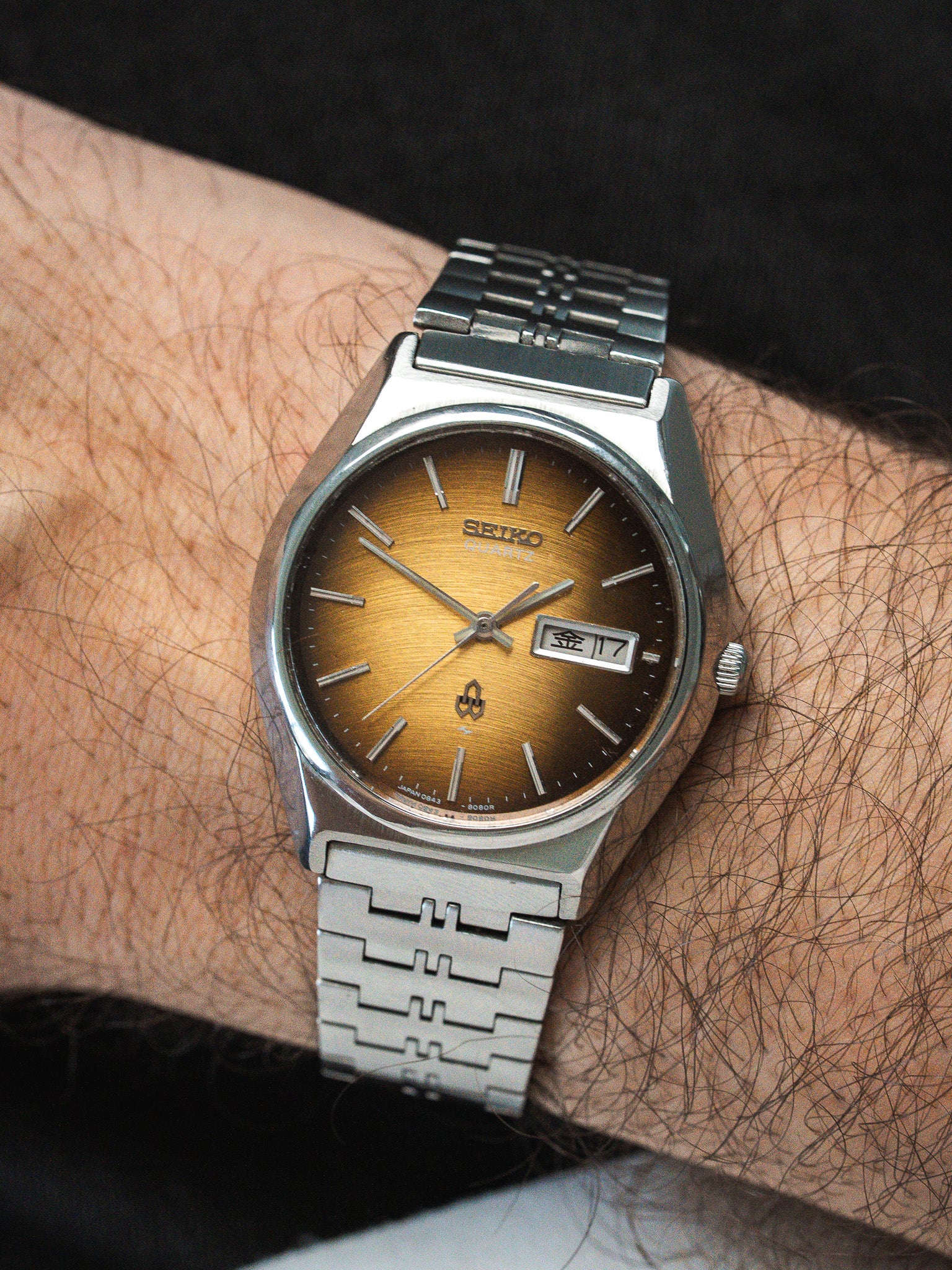
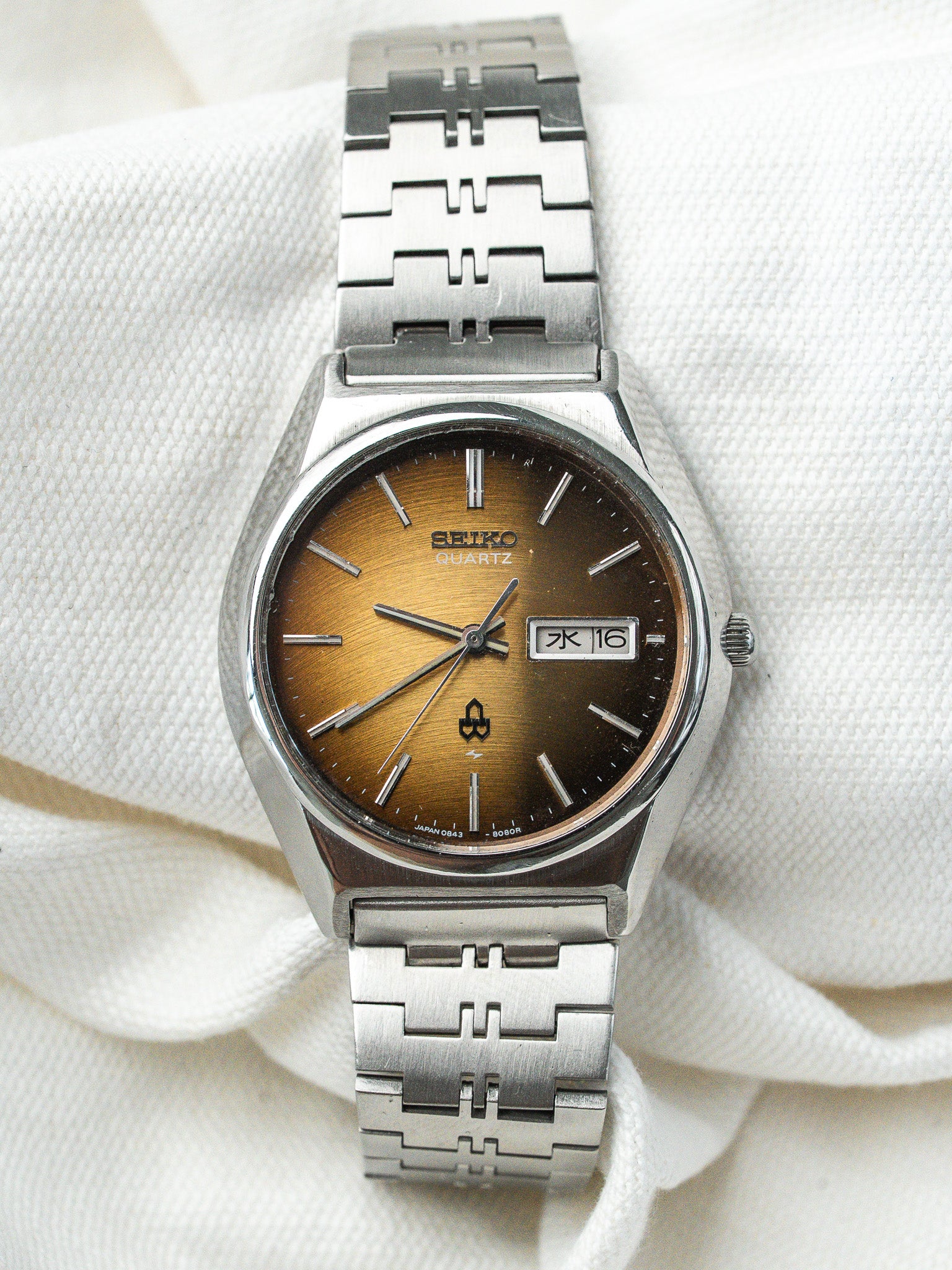
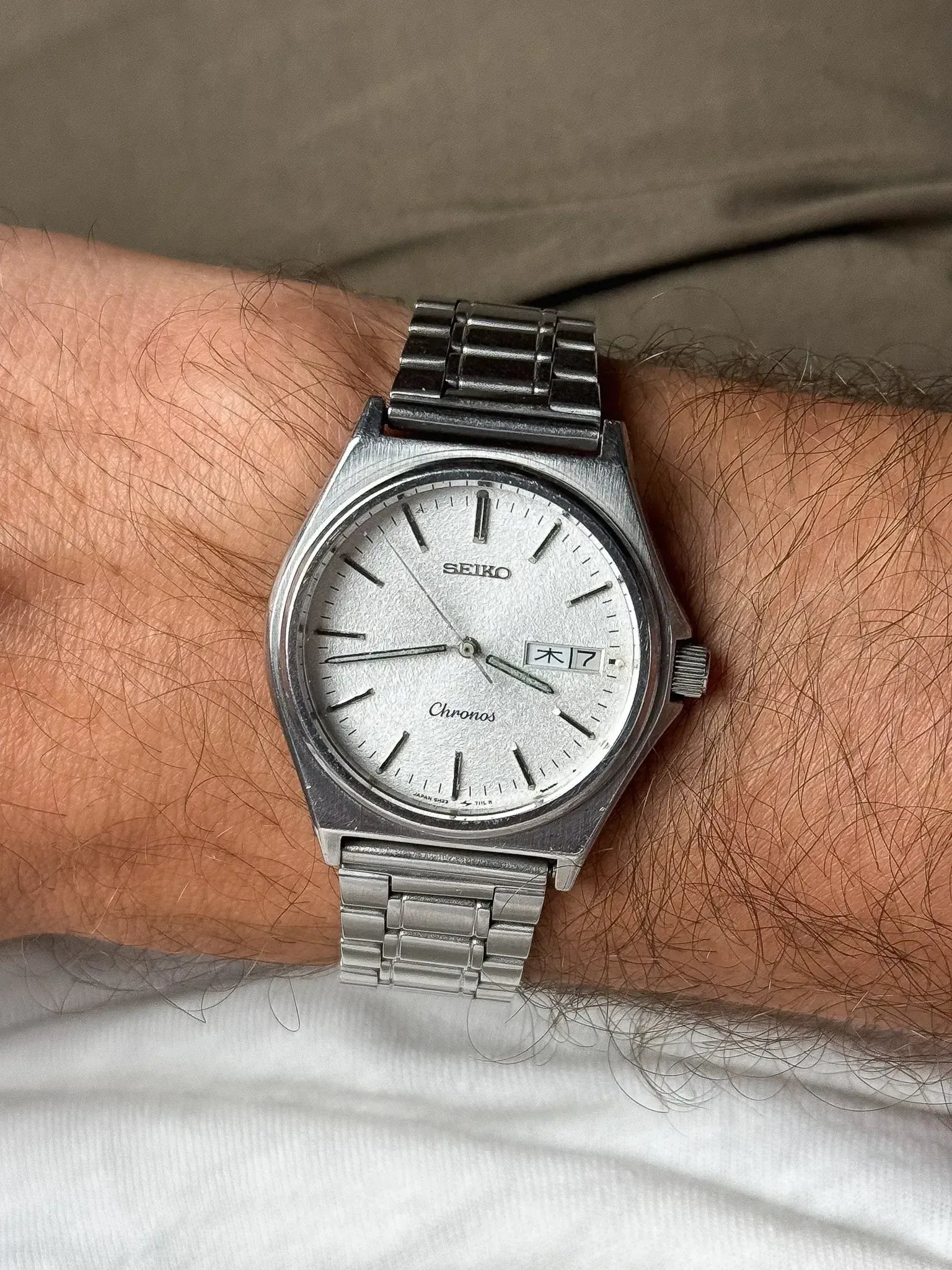
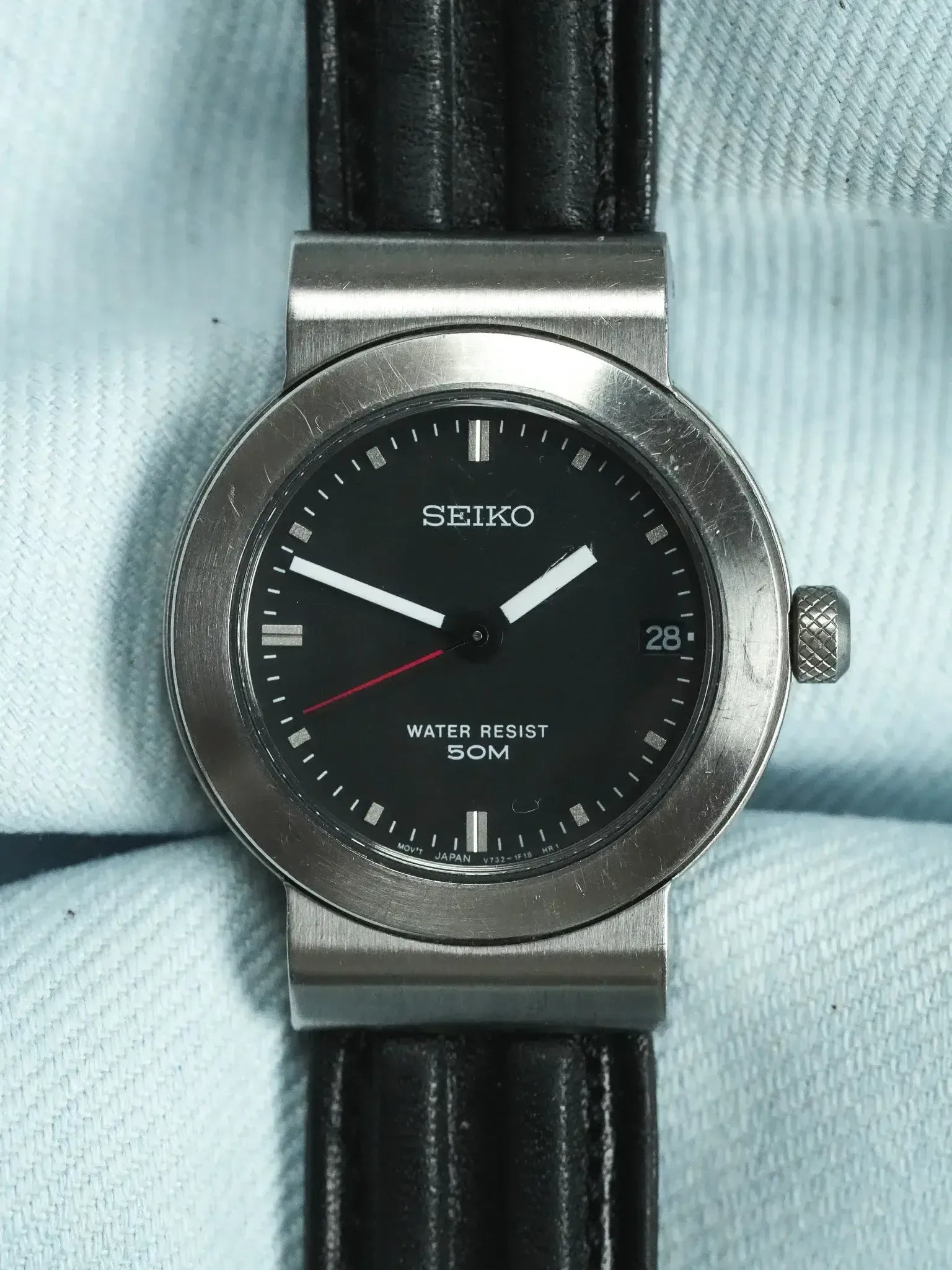
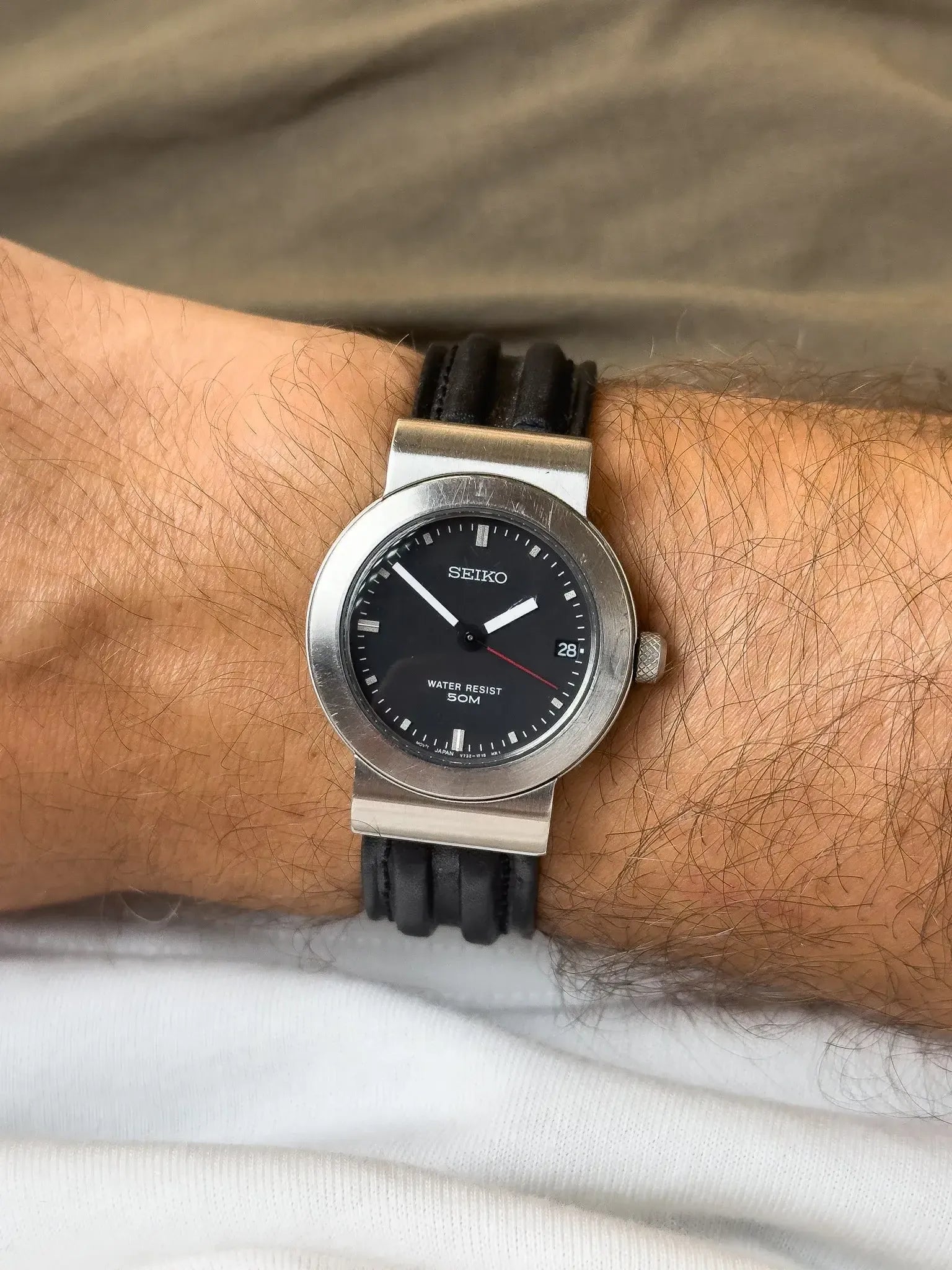
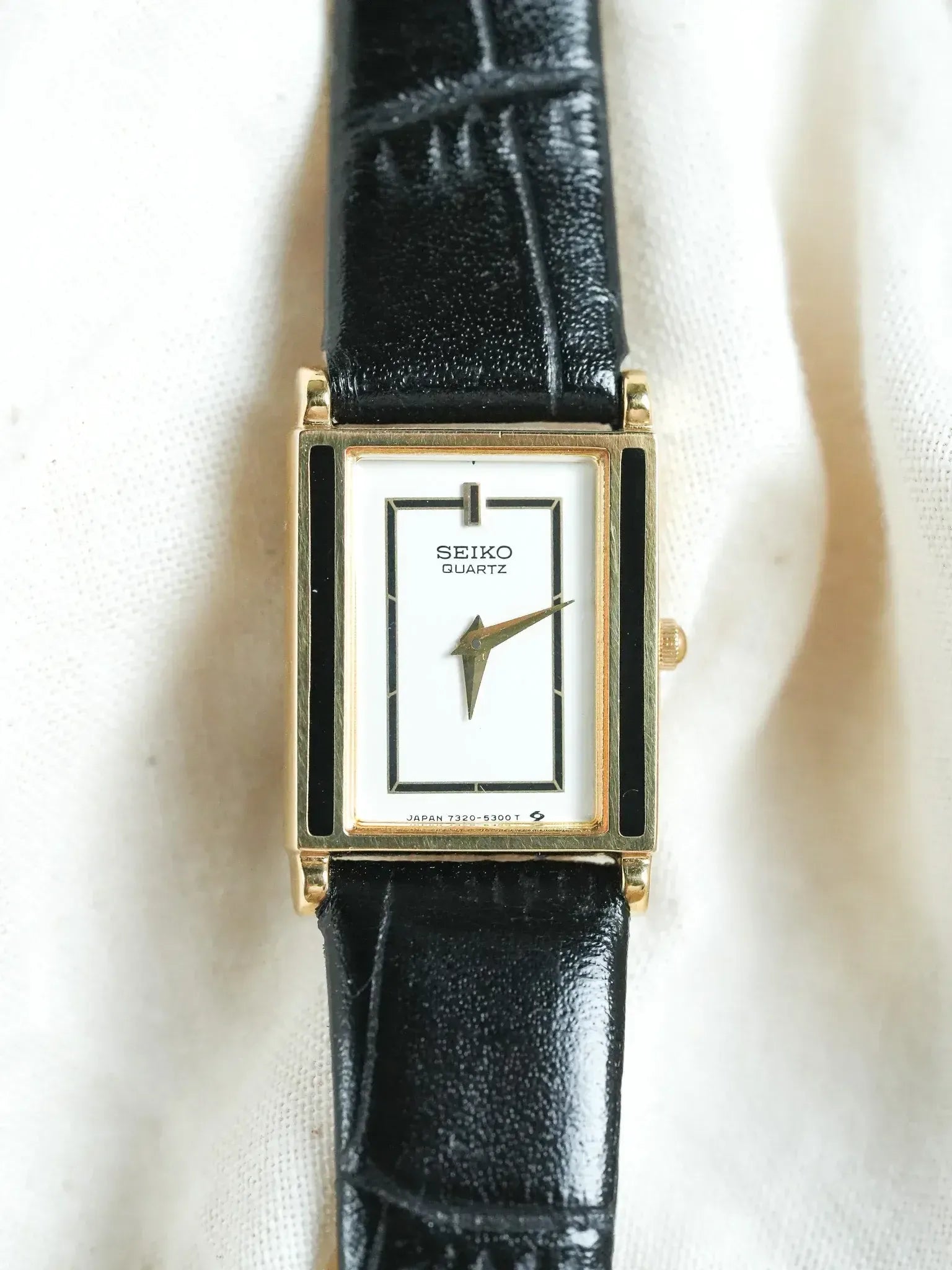
Vintage Seiko Watches: the excellence of the Japanese manufacture
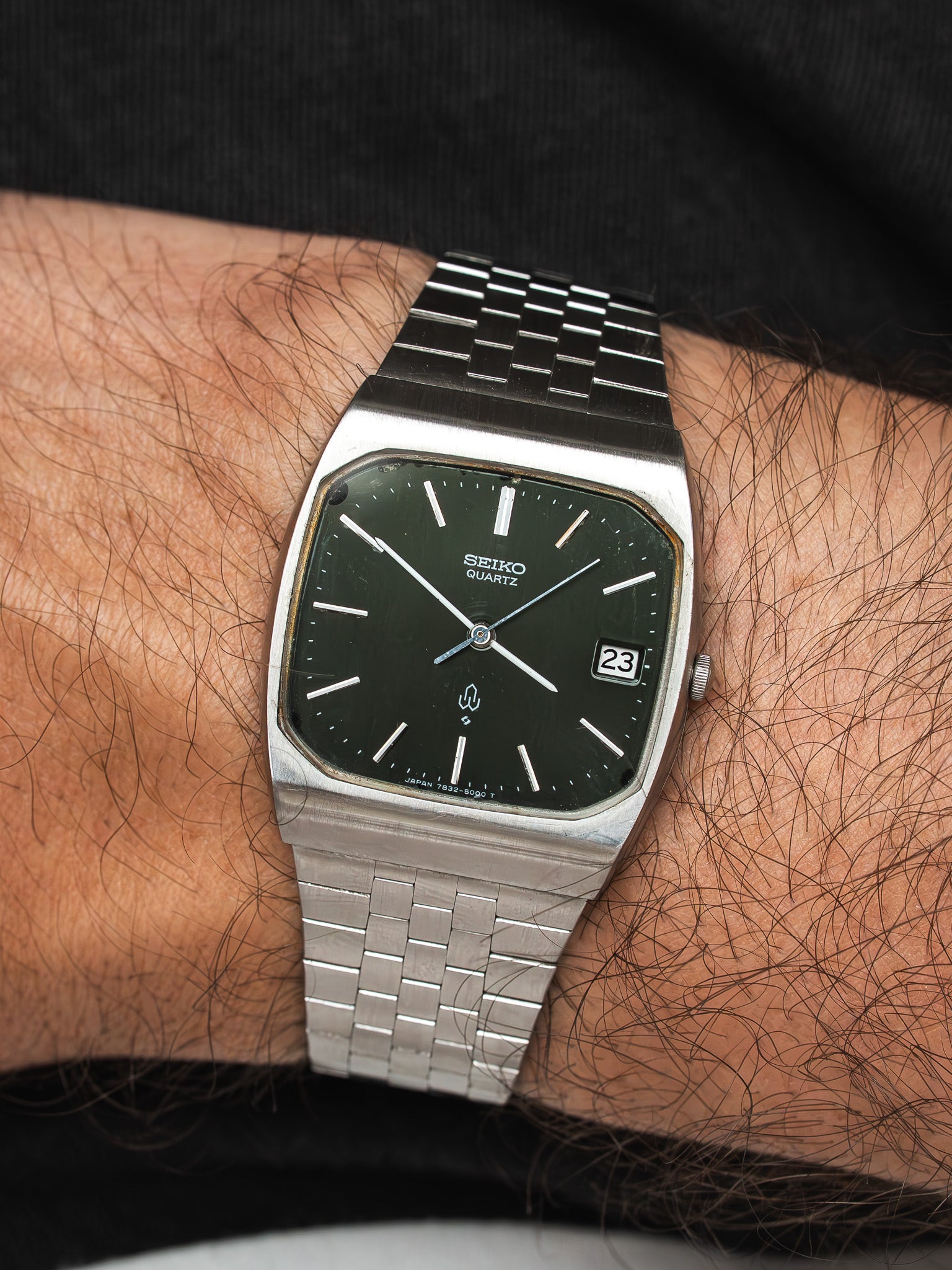
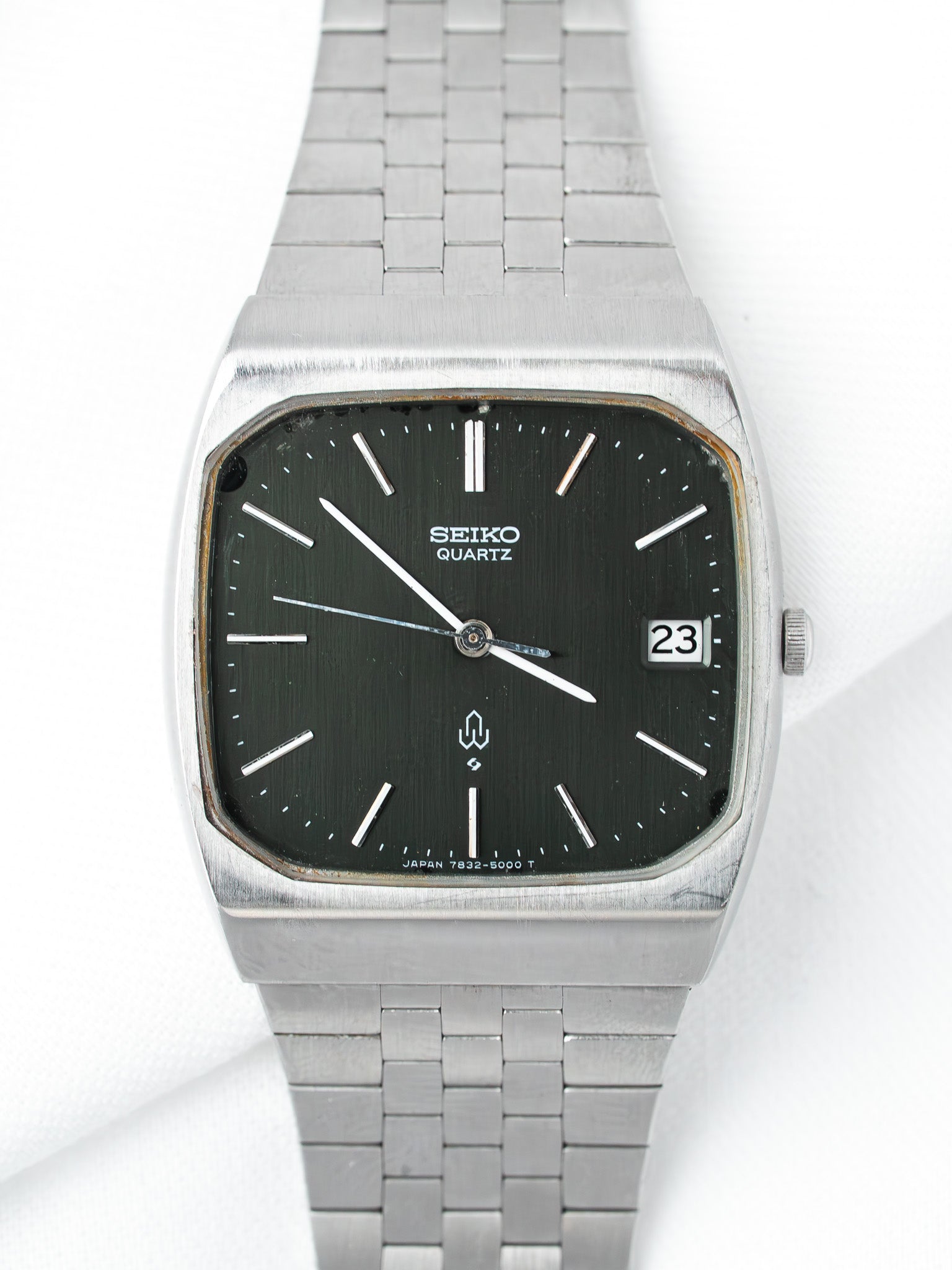
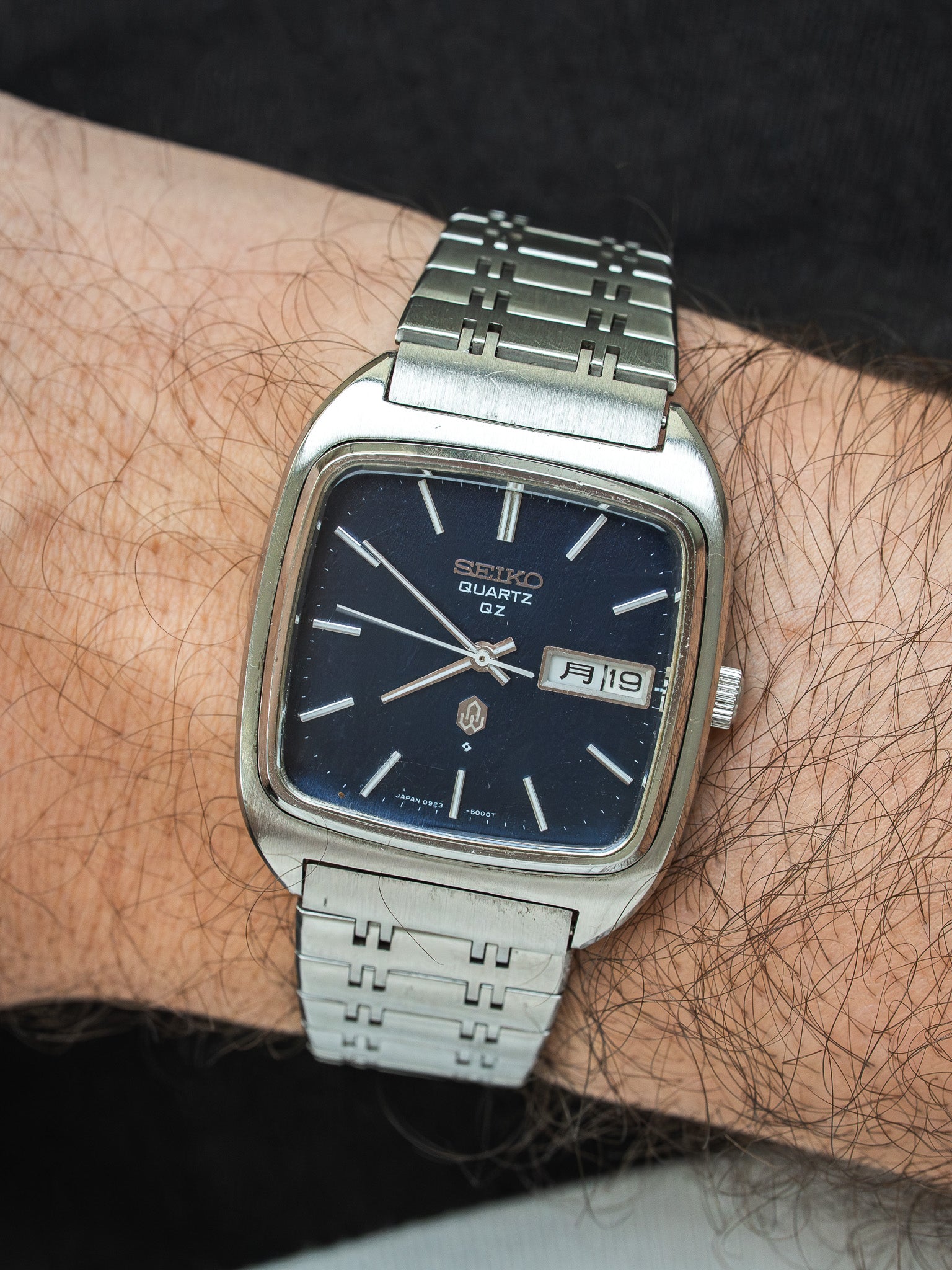
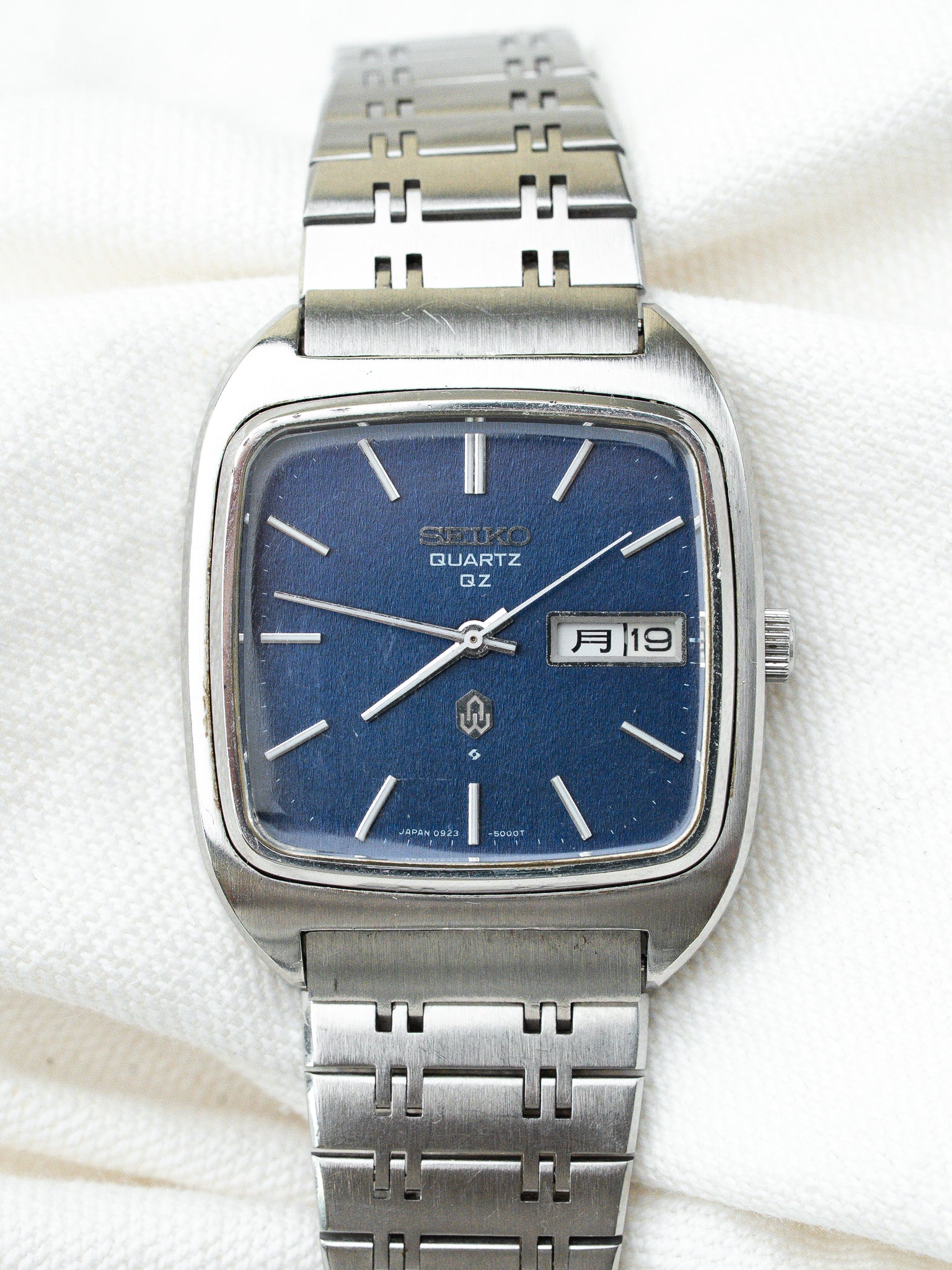
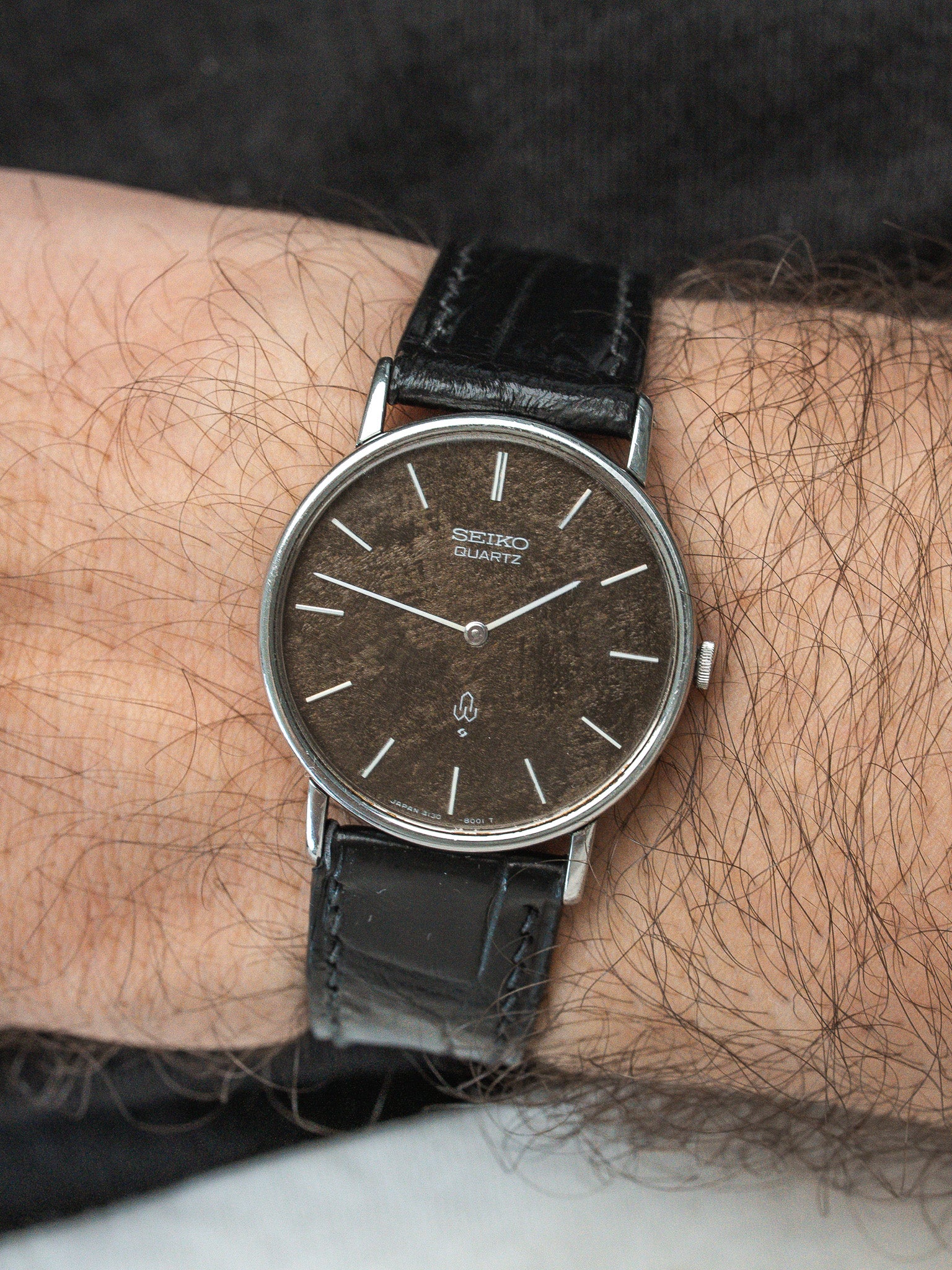
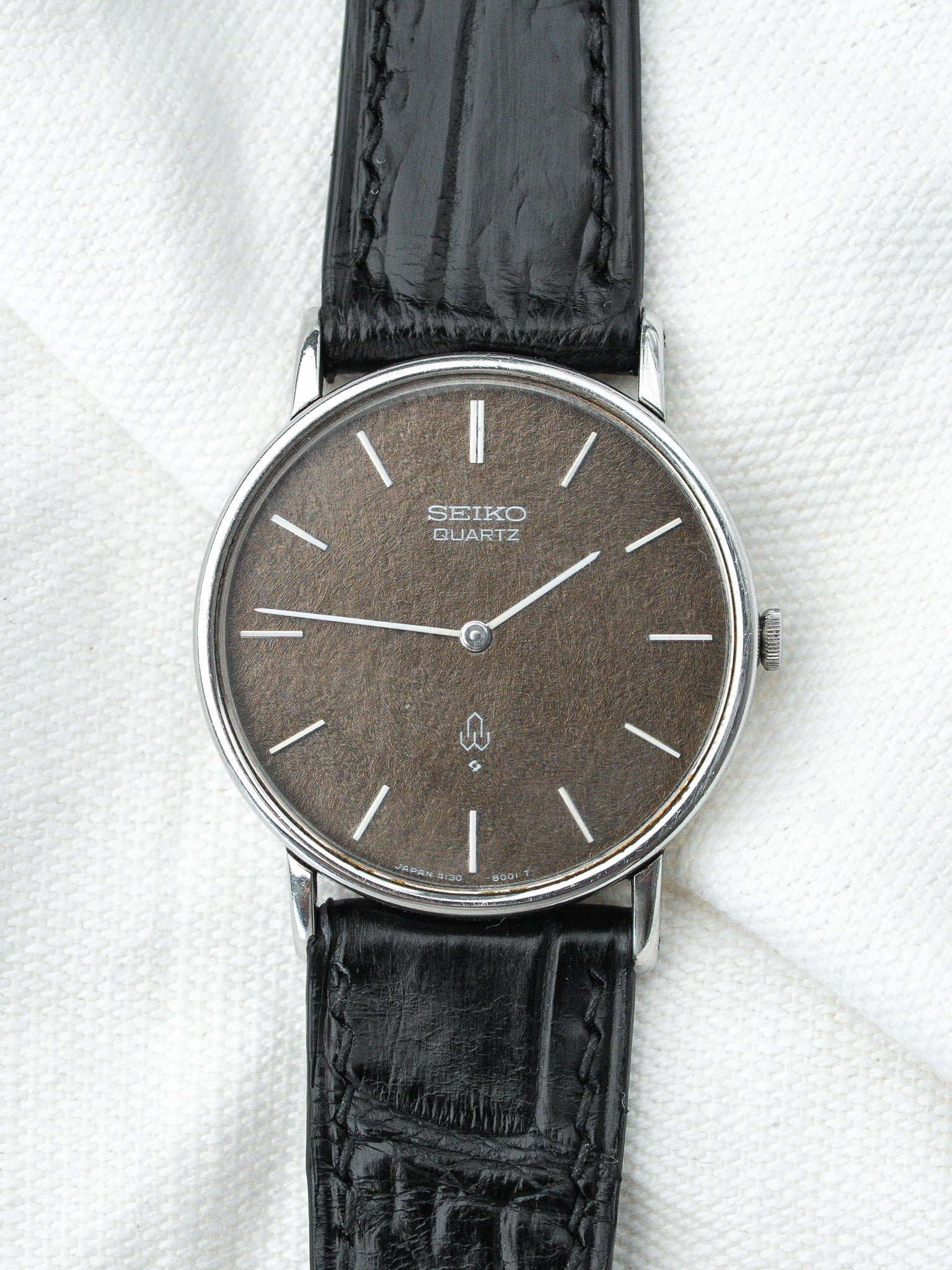
Since 1881, Seiko has revolutionized global watchmaking. One of the rare fully integrated manufactures, capable of producing its own hairsprings, balance wheels, and oils, the brand made history with its first water-resistant sports watch (SilverWave, 1961), the first commercially marketed quartz wristwatch (Seiko Astron, 1969), pioneering automatic chronographs (calibre 6139, 1969), and haute horlogerie dress watches under the Credor and Lassale sub-brands. Buying an antique Seiko watch means gaining access to vintage Japanese watchmaking that technically rivals the great Swiss manufactures, at far more accessible pre-owned prices — a value proposition found nowhere else on the collectors' market.
Vintage & Pre-Owned Seiko Men's Watch: the icons
Our selection of vintage men's Seiko watches brings together the most sought-after references among Japanese watch collectors:
-
vintage automatic Seiko 5 — The brand's cornerstone model, equipped with 6119, 7009, or 7019 calibres (then 7S26 on neo-vintage models): the ideal entry point into watch collecting, robust and accessible.
-
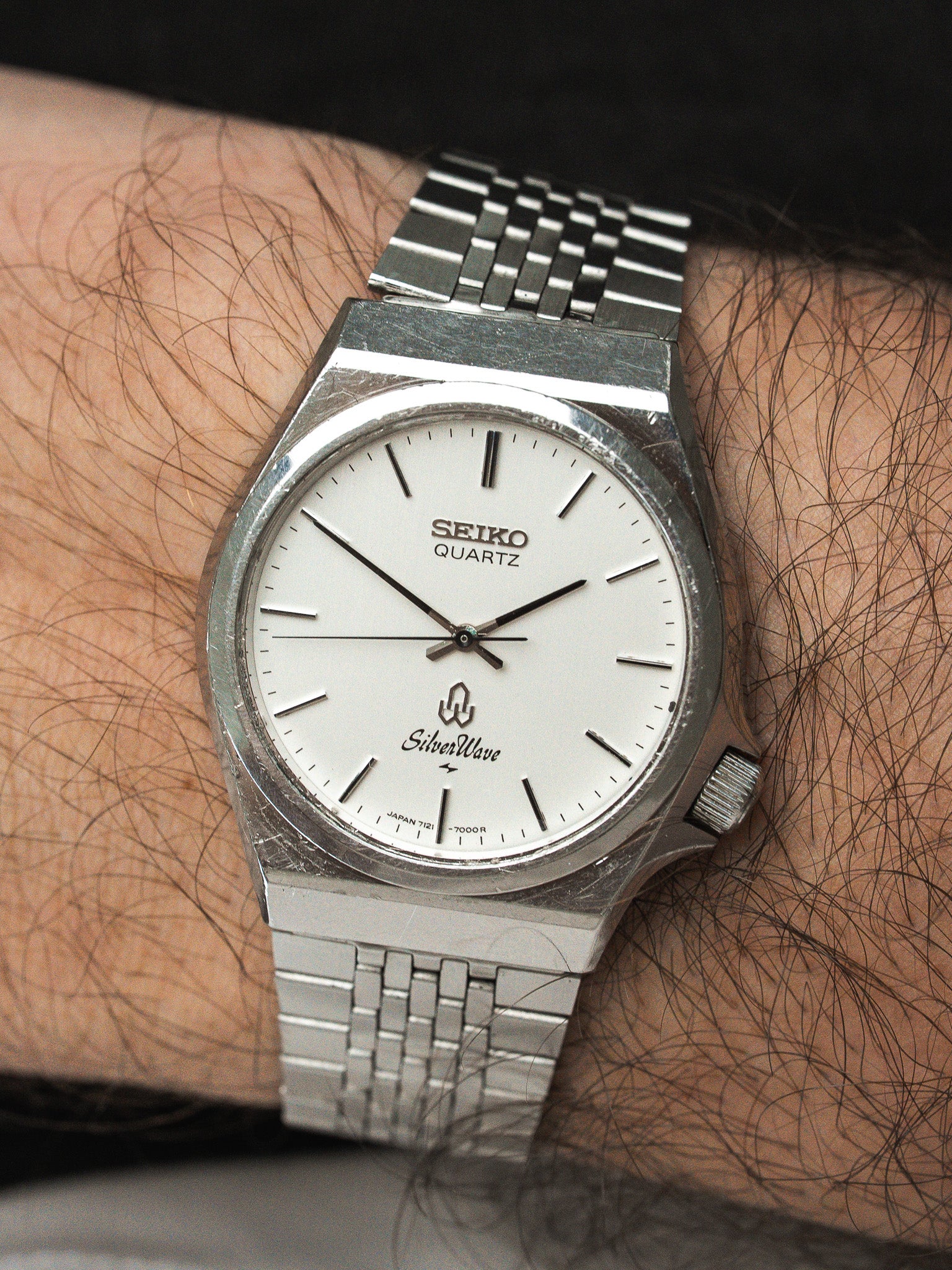
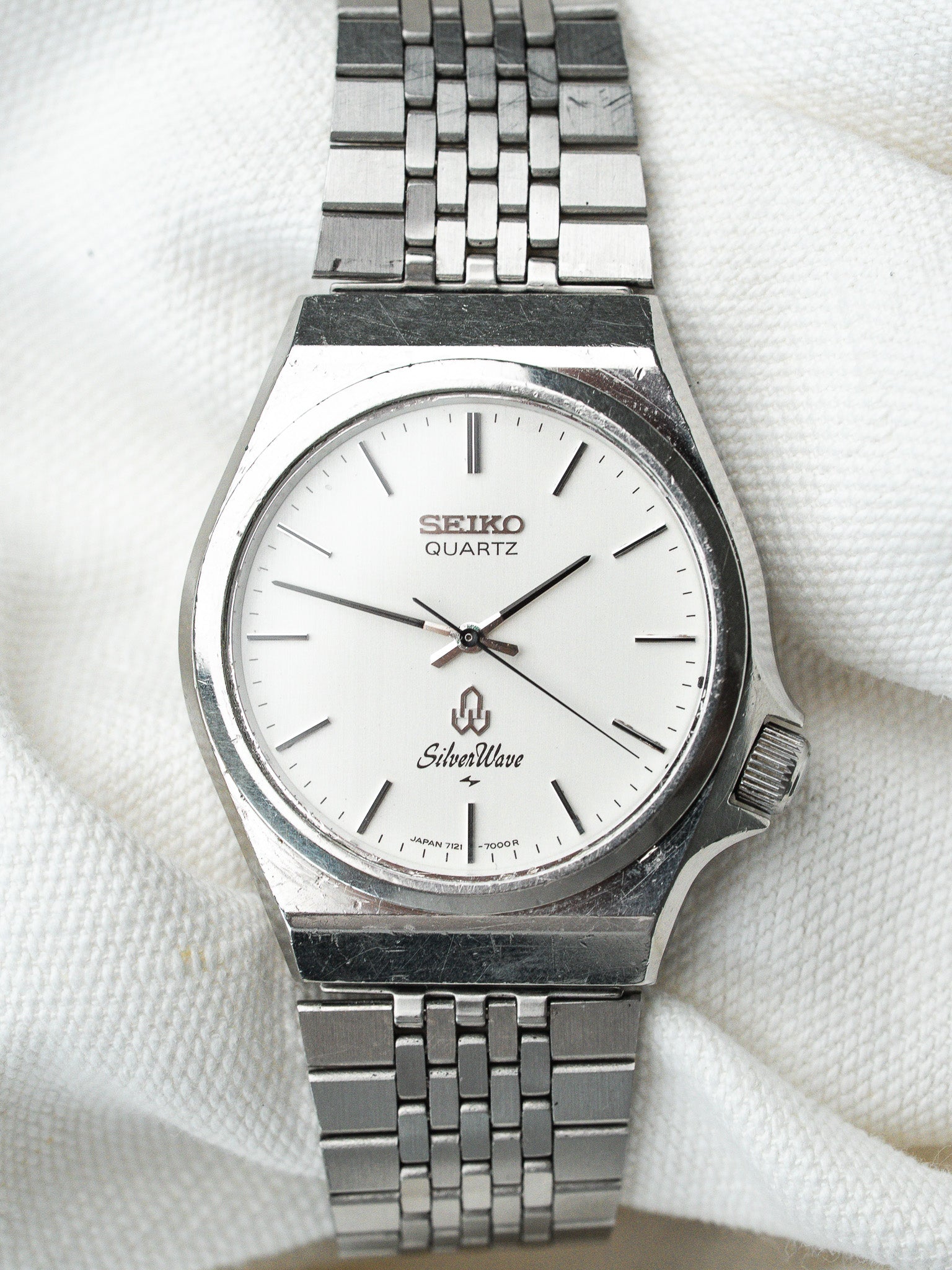
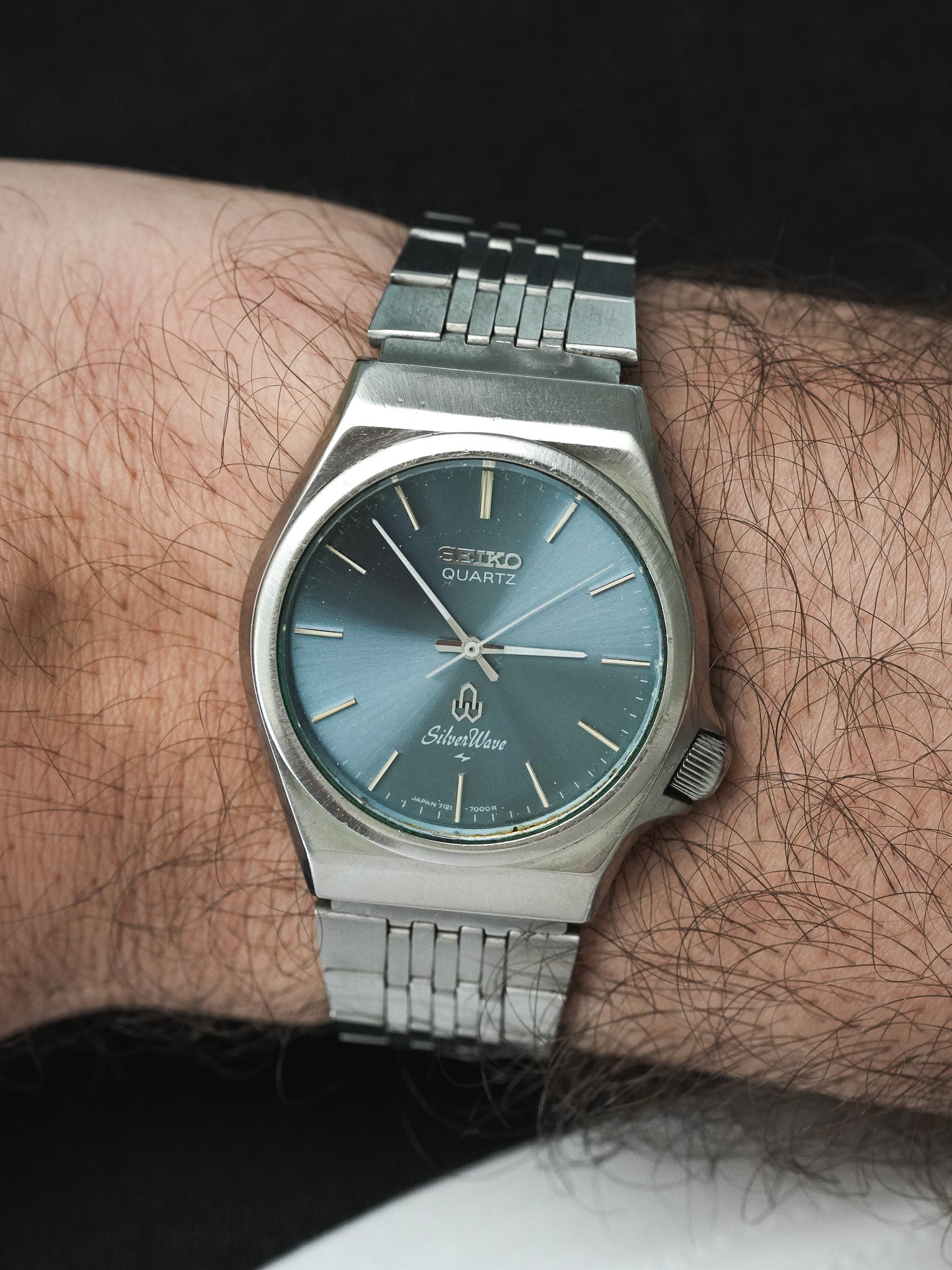
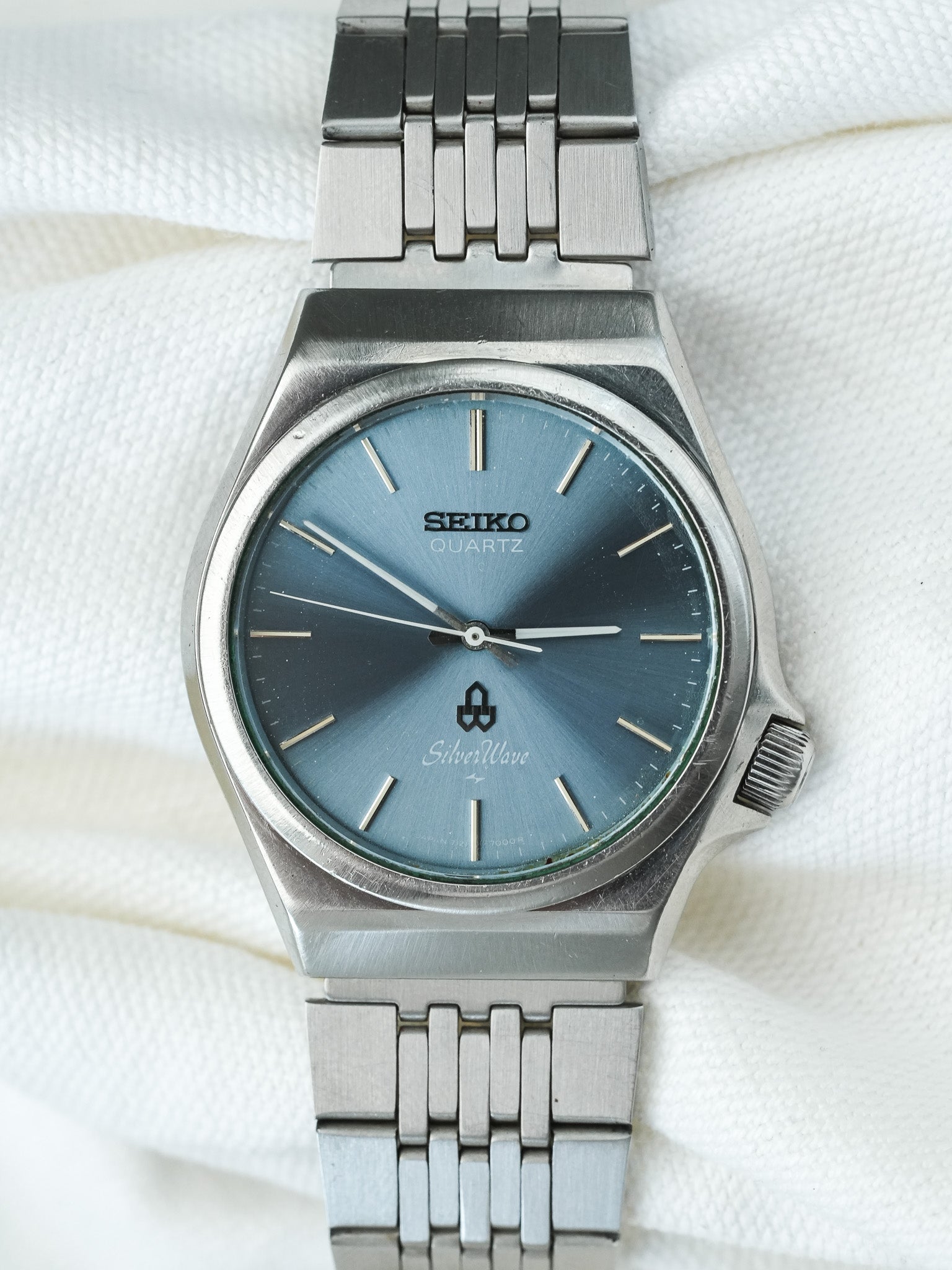
vintage Seiko SilverWave — The first water-resistant Seiko sports watch (1961), internal bezel and 50 m water resistance — the direct ancestor of the 62MAS, 6105, and 6309 dive watches. A historic piece sought after by collectors.
-
pre-owned Seiko Diver — The historic diving watches: 6105 “Captain Willard” (popularized by Apocalypse Now), 6309 “Turtle” with cushion case, 7002 — all designed for professional diving, 150 m water resistance, 4 o'clock crown, bidirectional friction rotating bezel, typical of period Seiko dive watches.
-
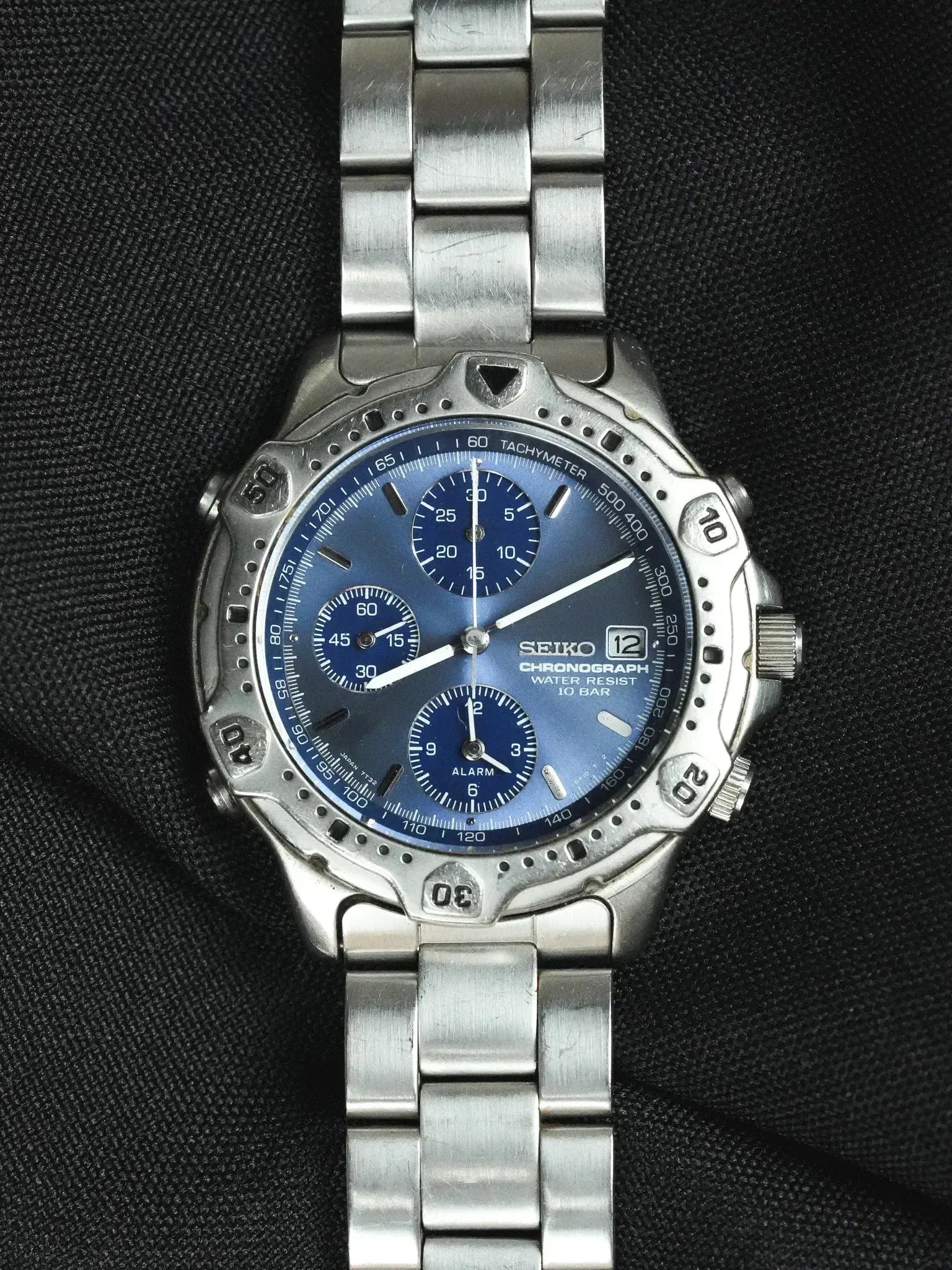
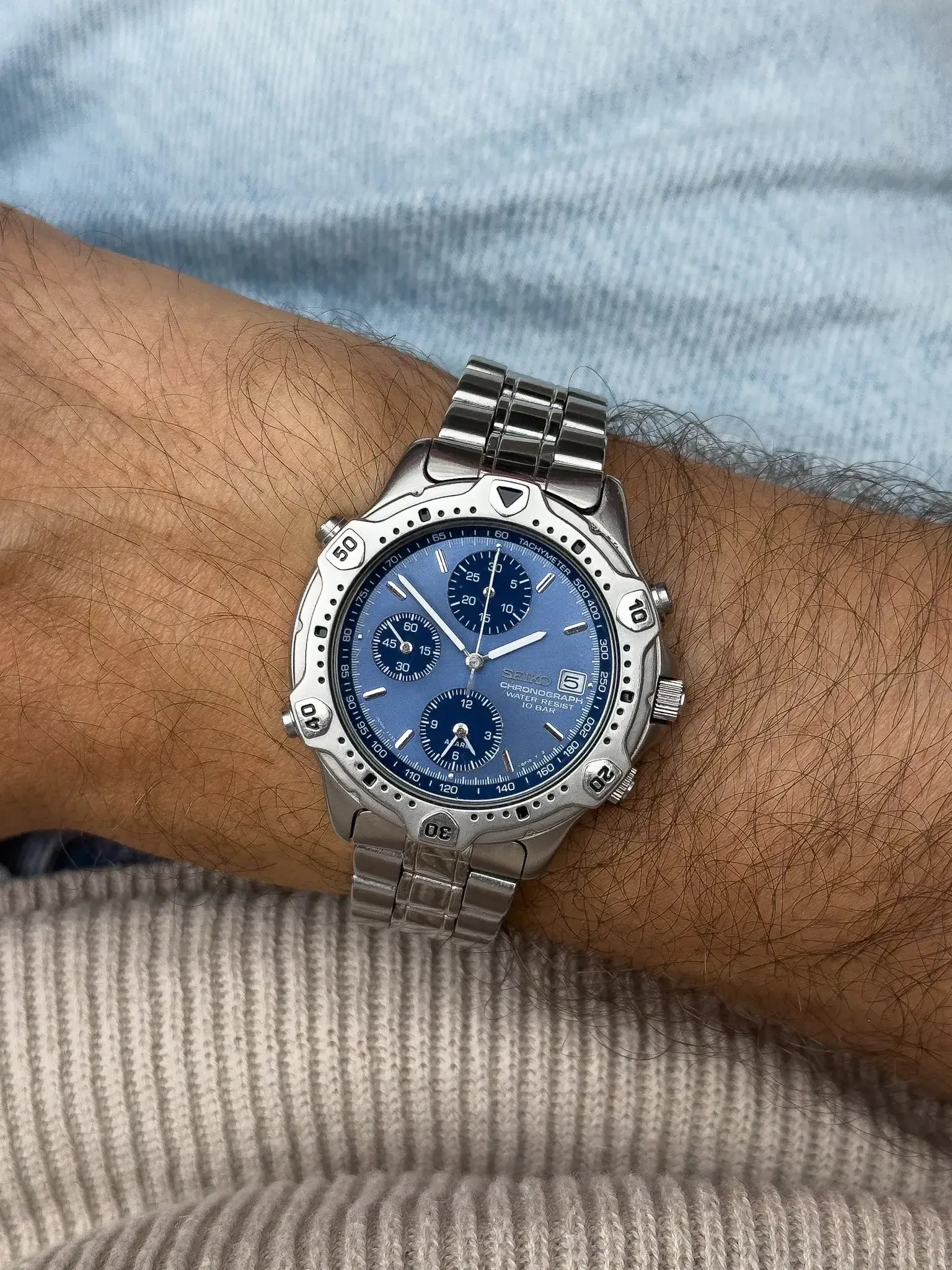
vintage men's Seiko Chronograph — The famous “Pogue” 6139 (the first automatic chronograph worn in space, by astronaut William Pogue in 1973) and the two-tone dial “Panda” 6138.
-
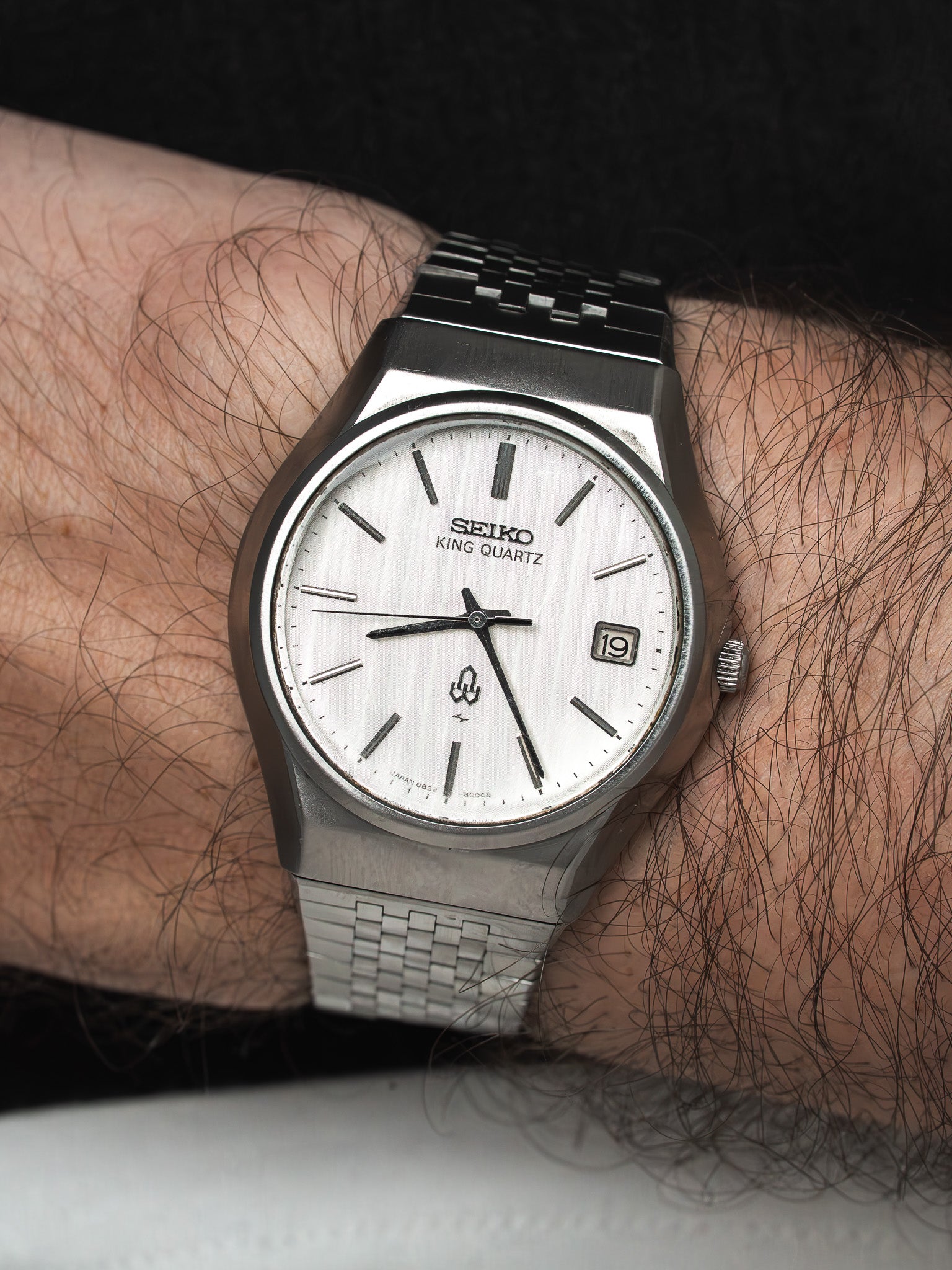
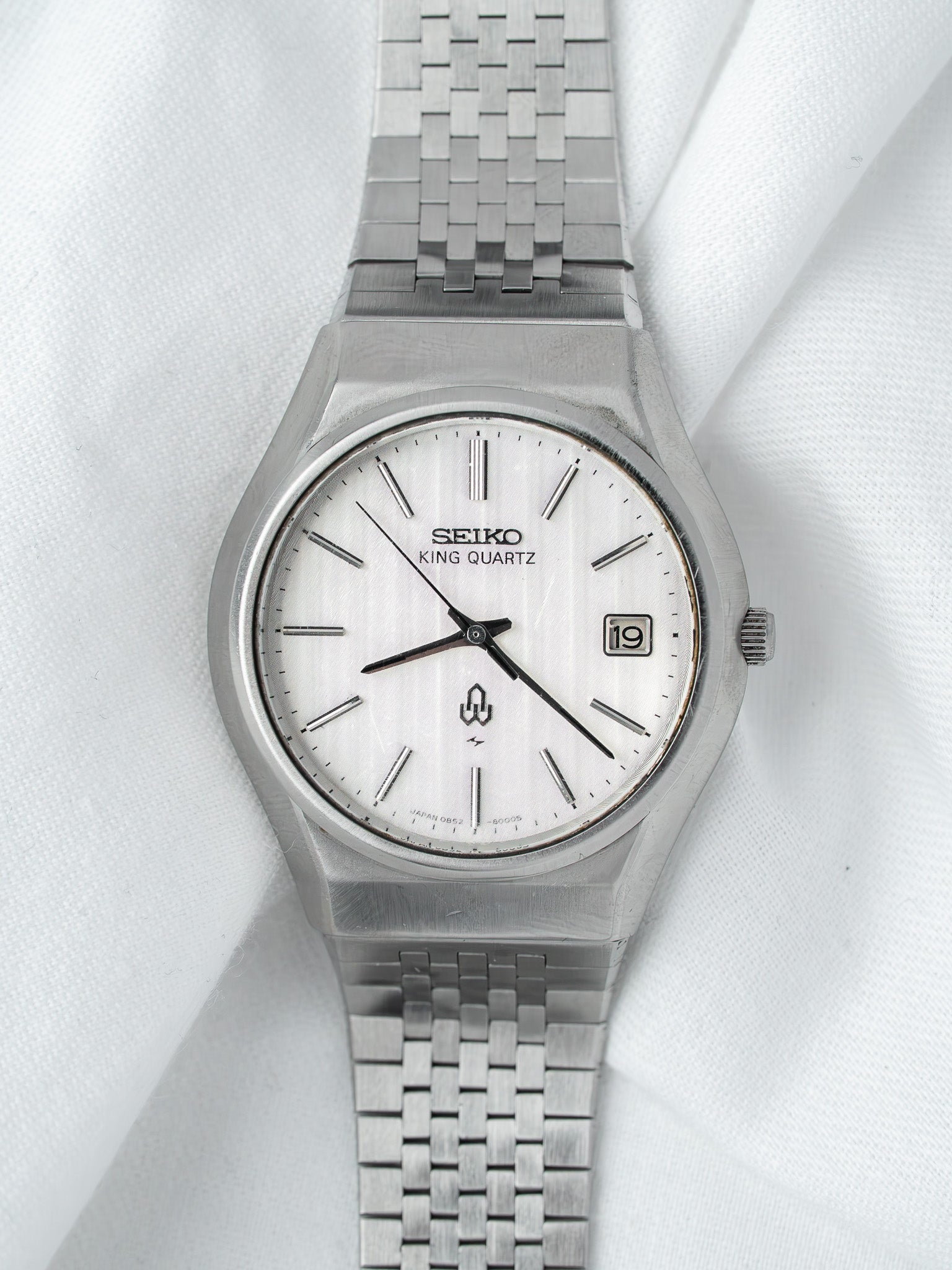
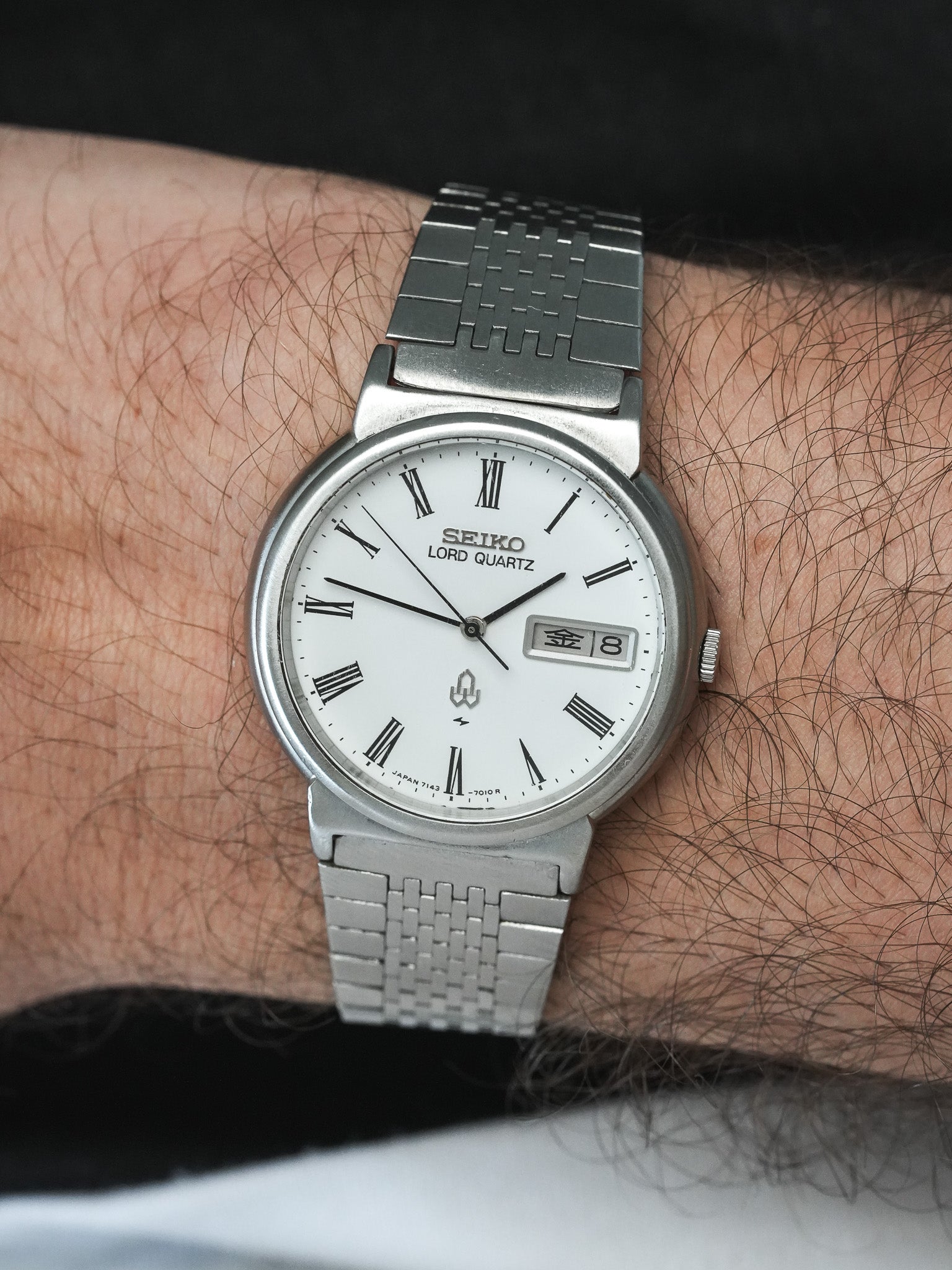
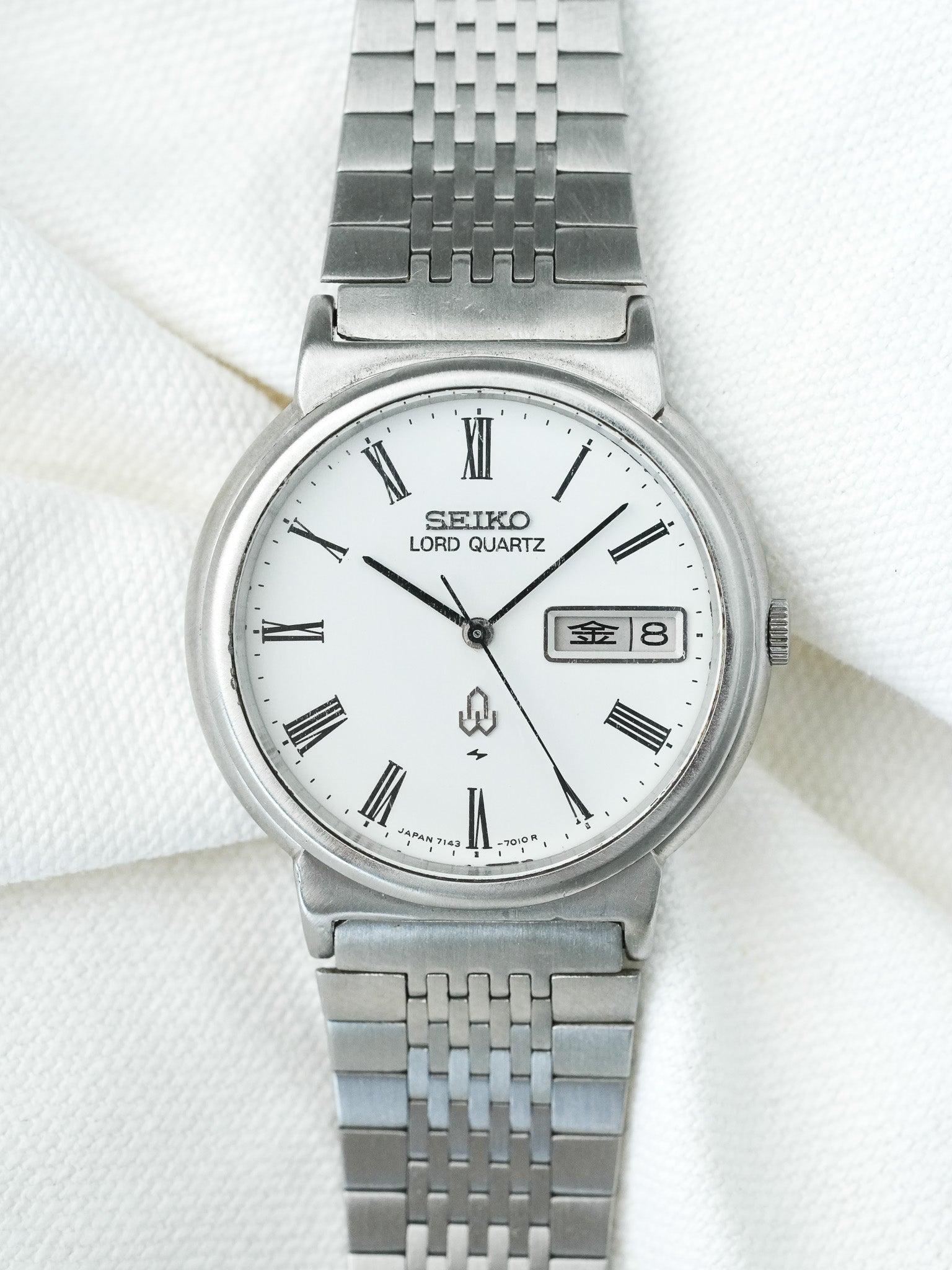
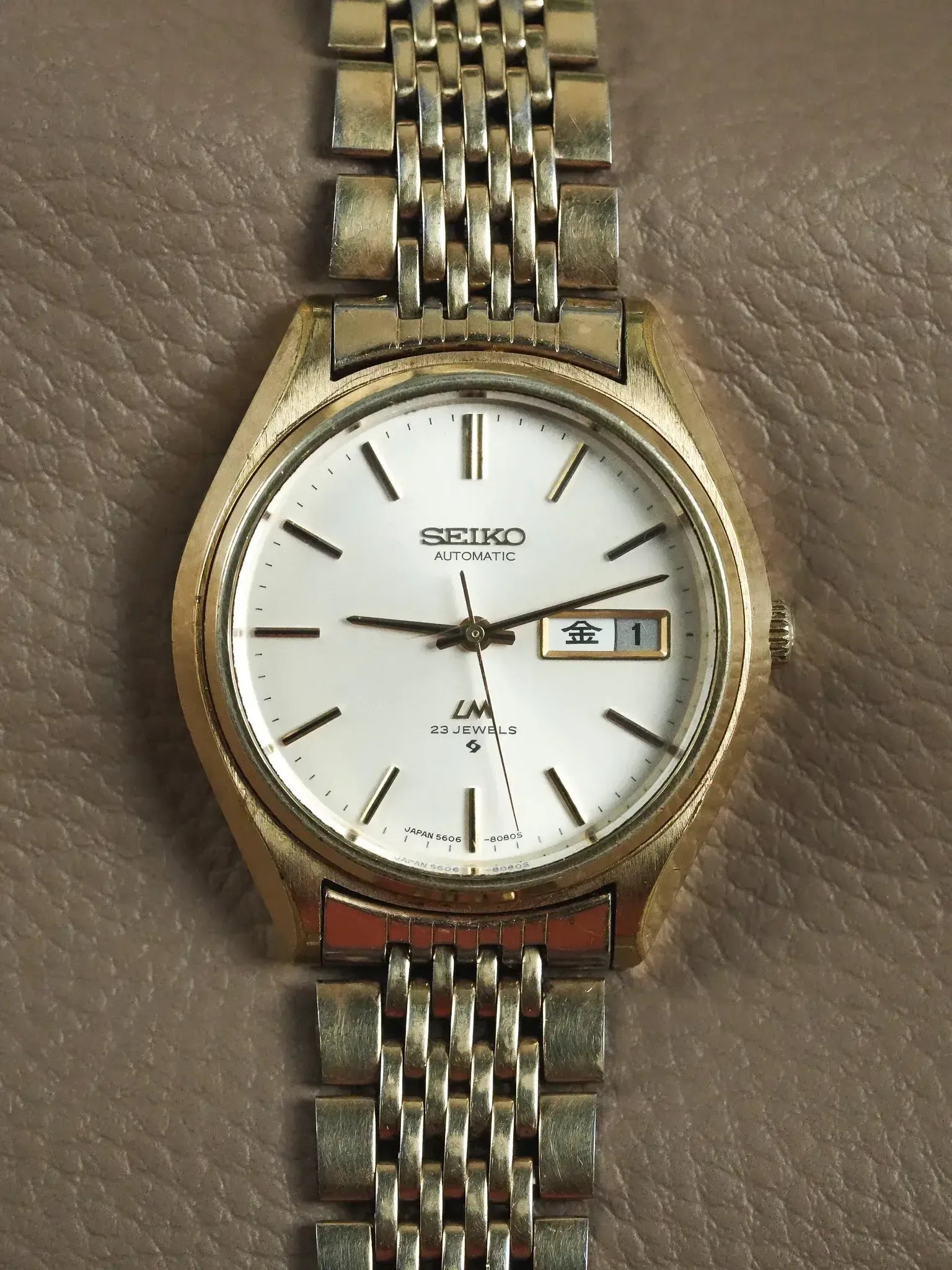
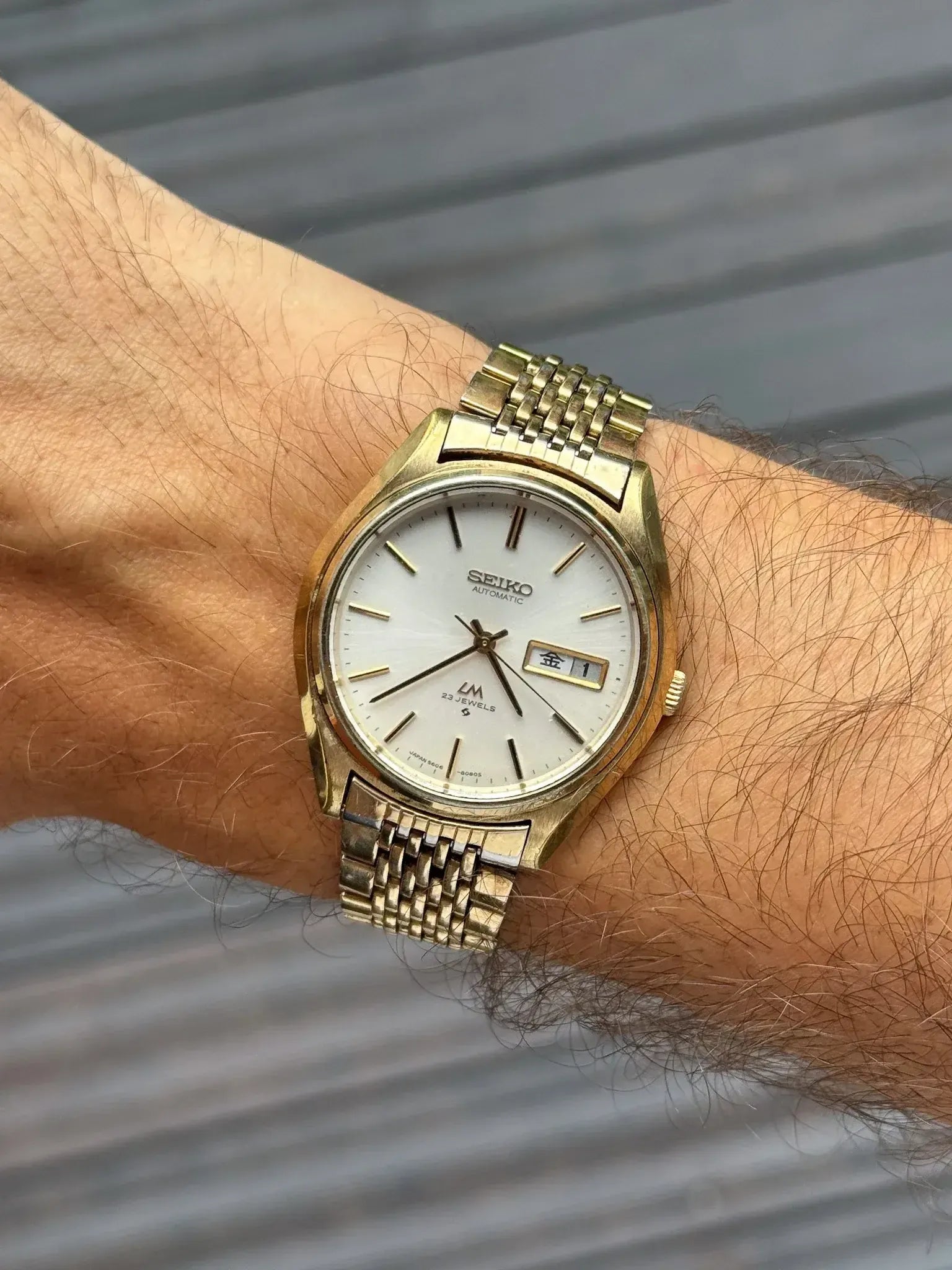
vintage King Seiko, Lord Matic & Lord Marvel — The prestige line with Zaratsu finishing (signature Japanese mirror polishing) and Hi-Beat movements. The King Seiko — manual 44KS series, Hi-Beat 45KS, automatic 56KS series —, the automatic Lord Matic (calibres 5605/5606, 23 to 25 jewels), and the manual Lord Marvel: the direct competition to the Swiss haute horlogerie of the period.
-
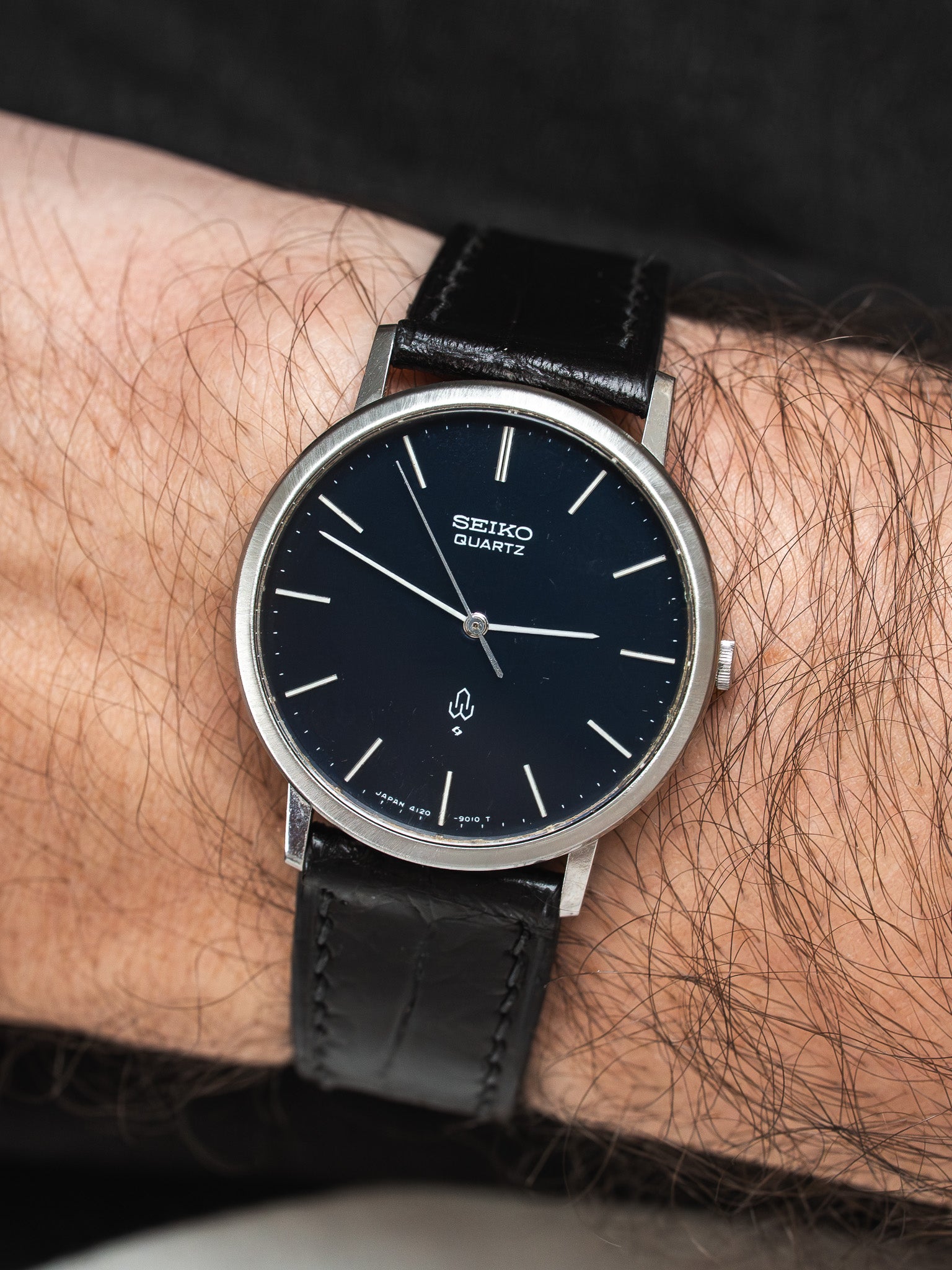
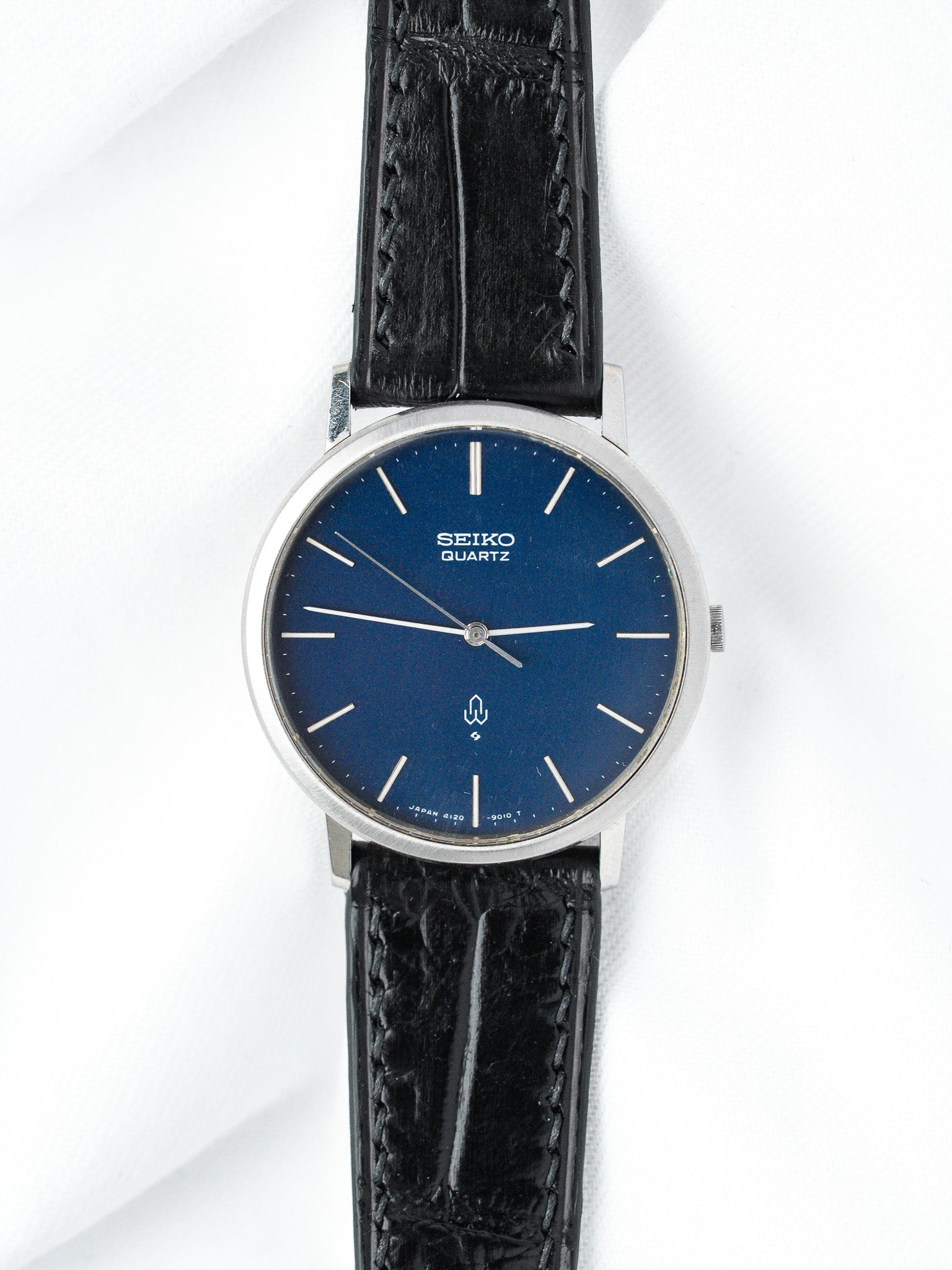
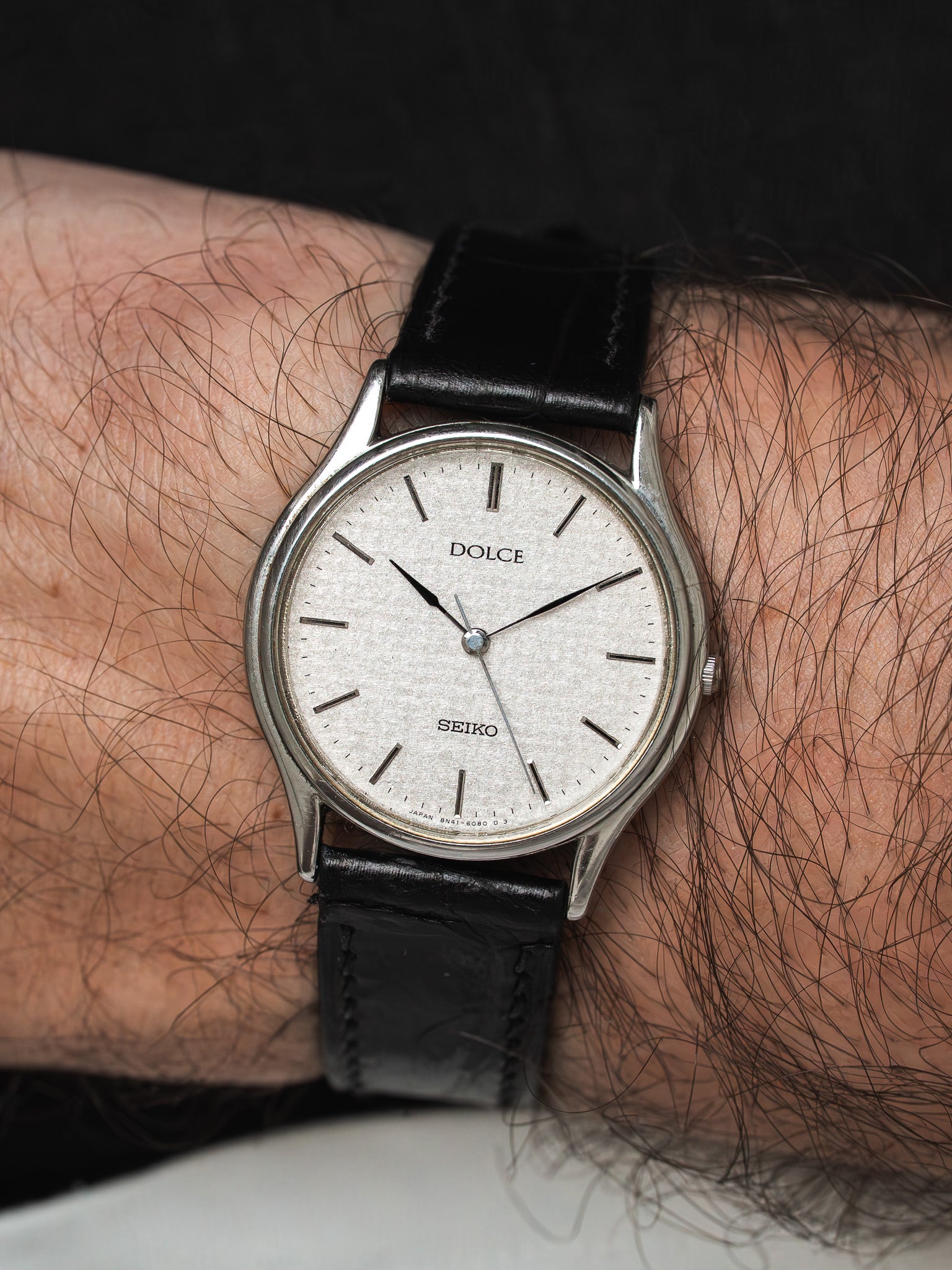
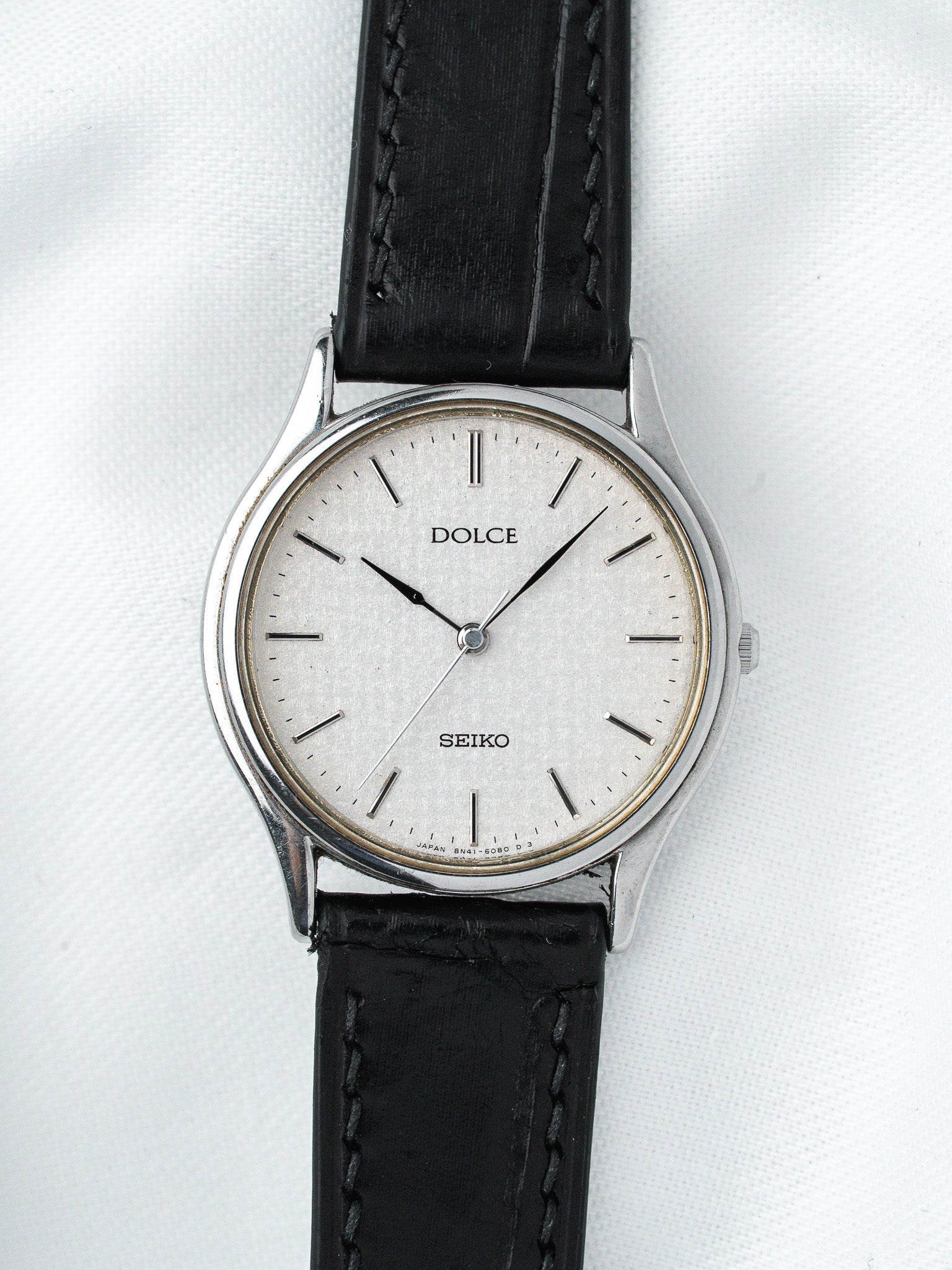
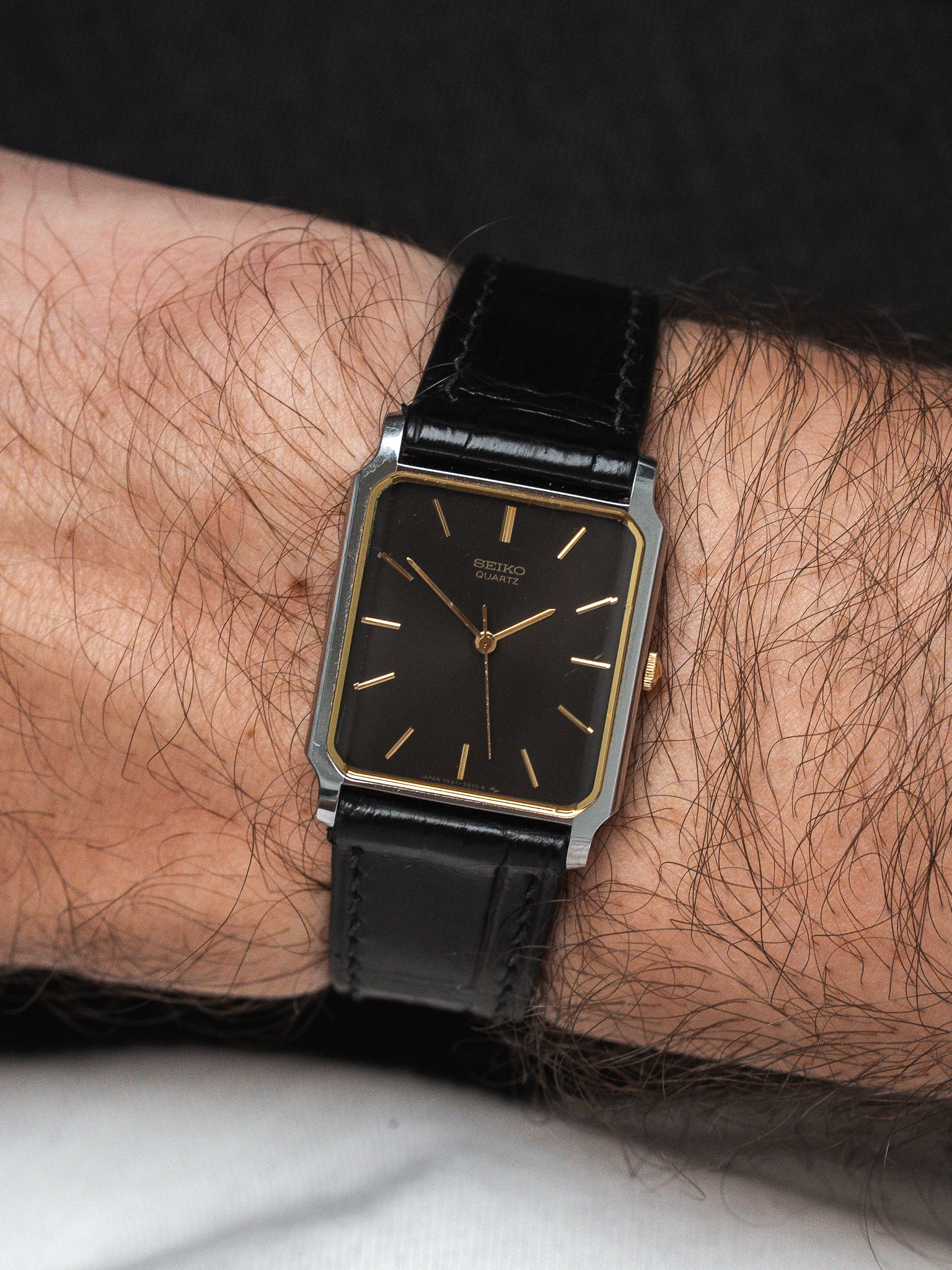
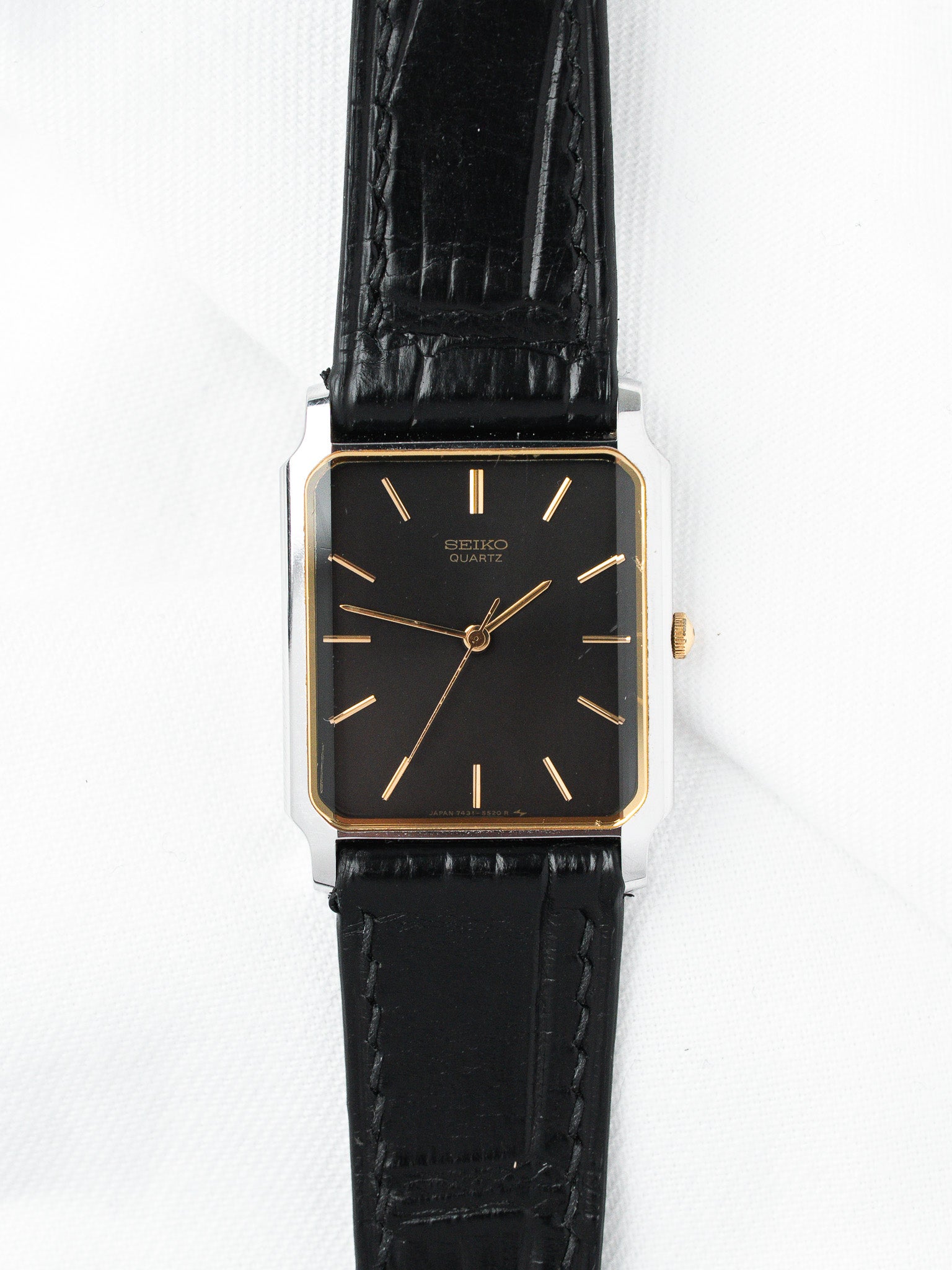
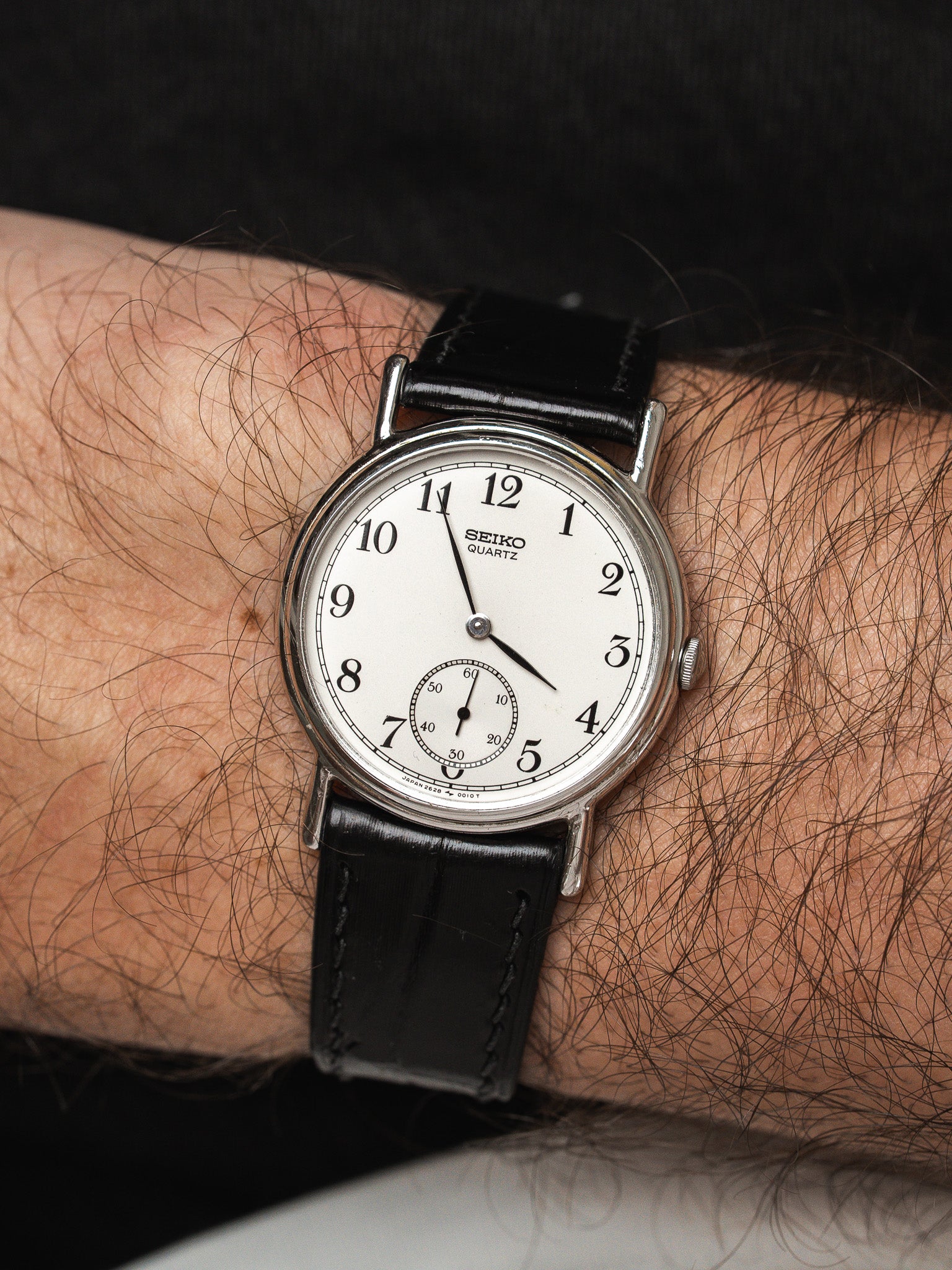
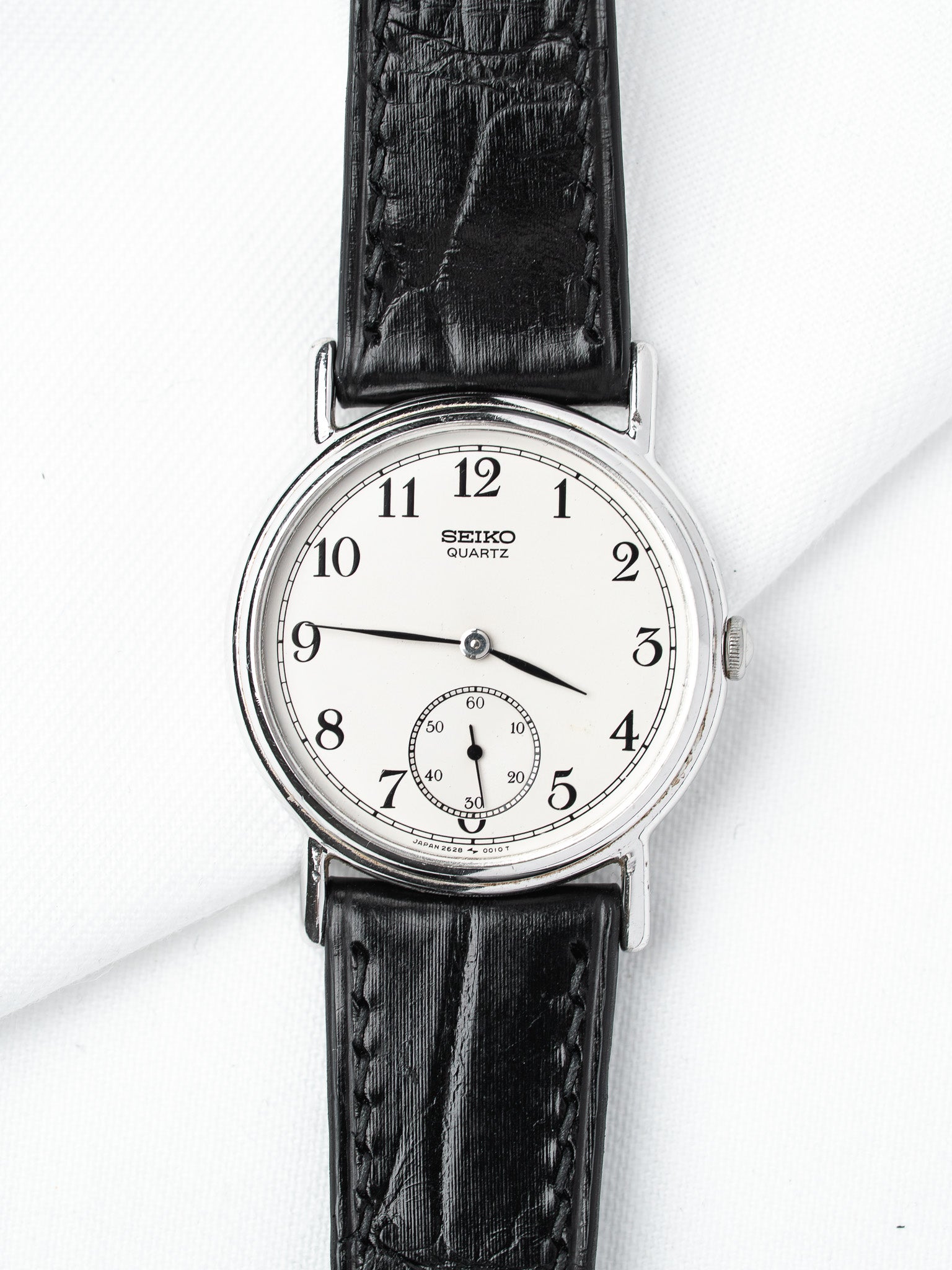
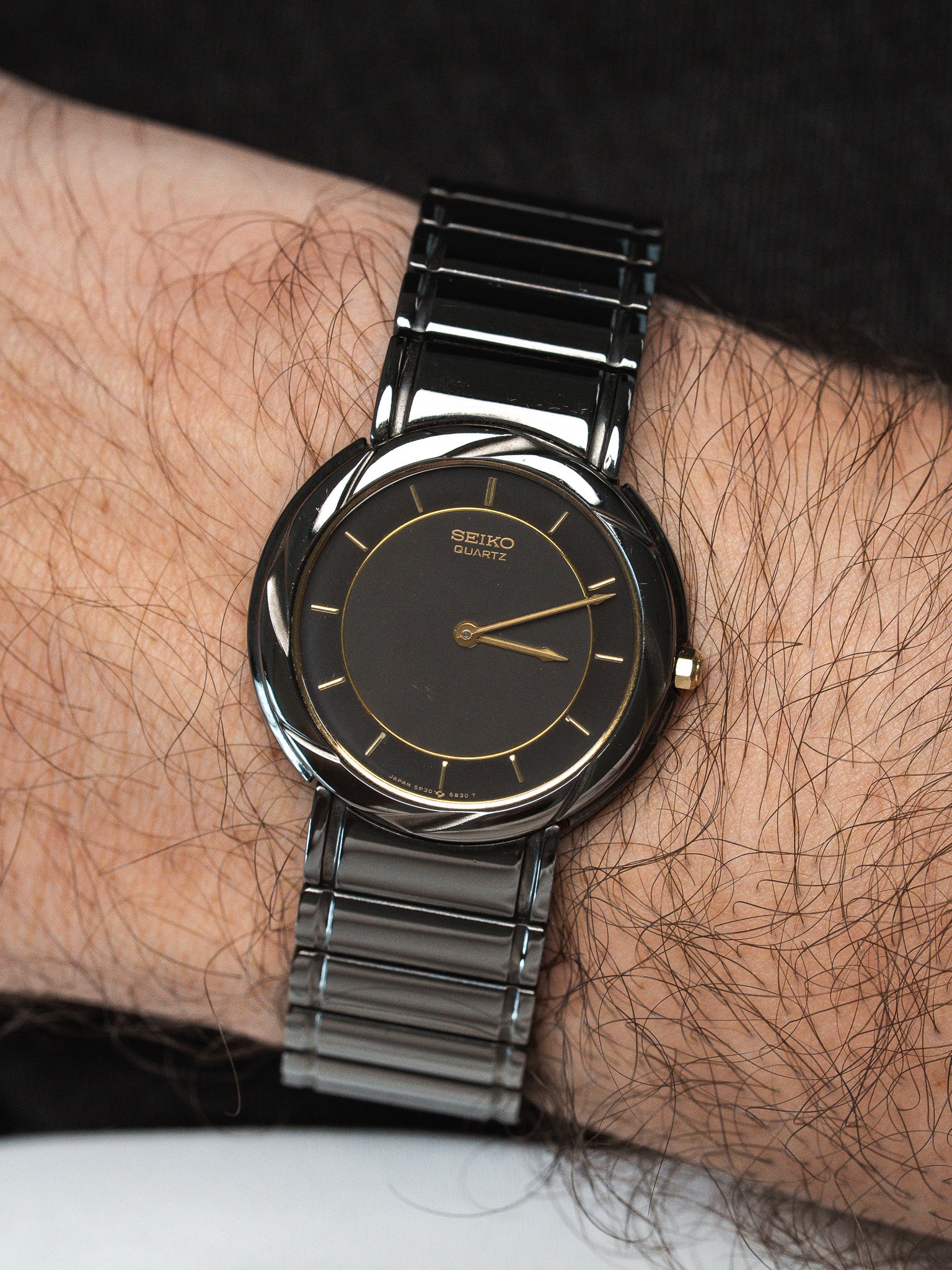
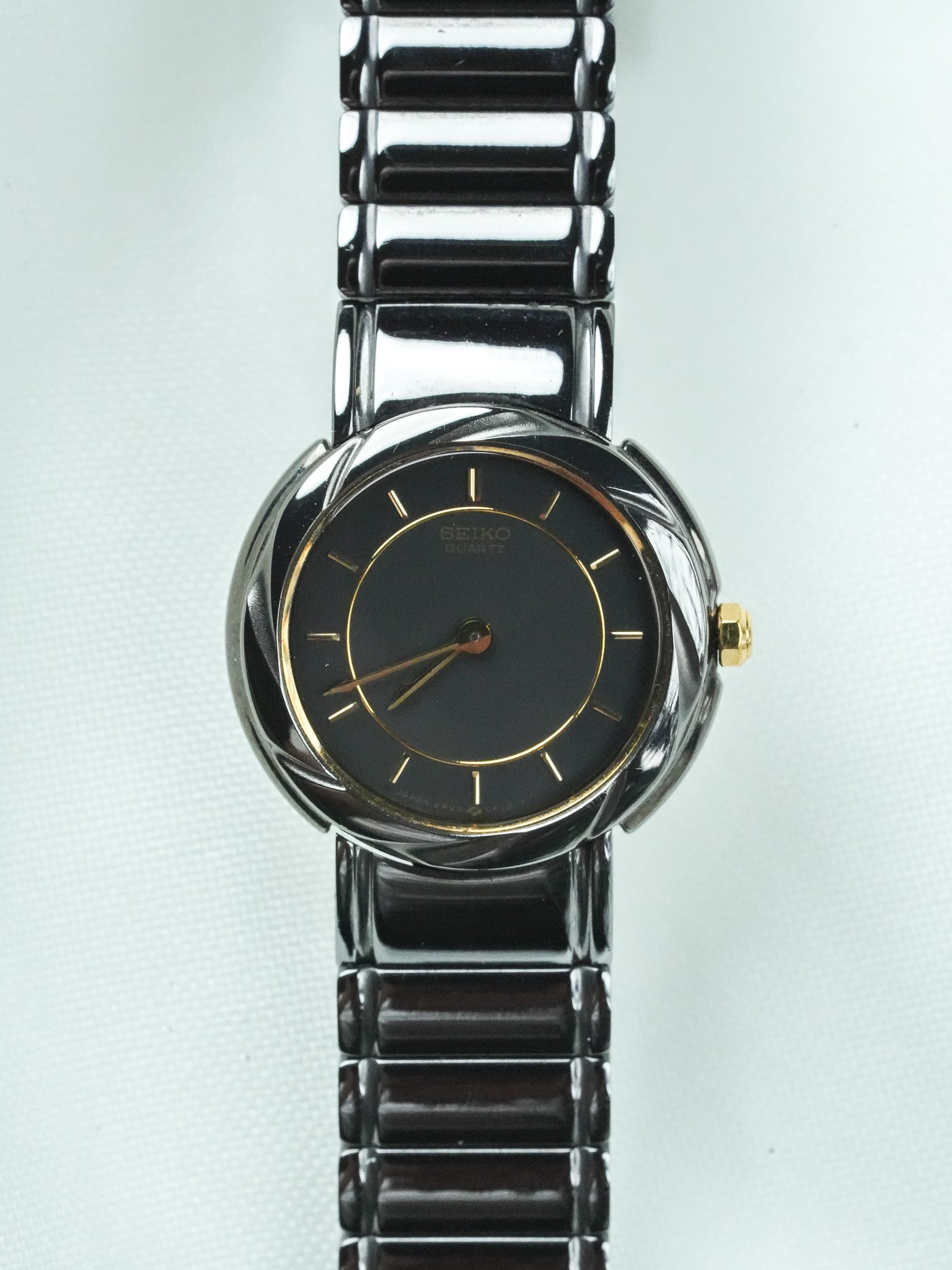
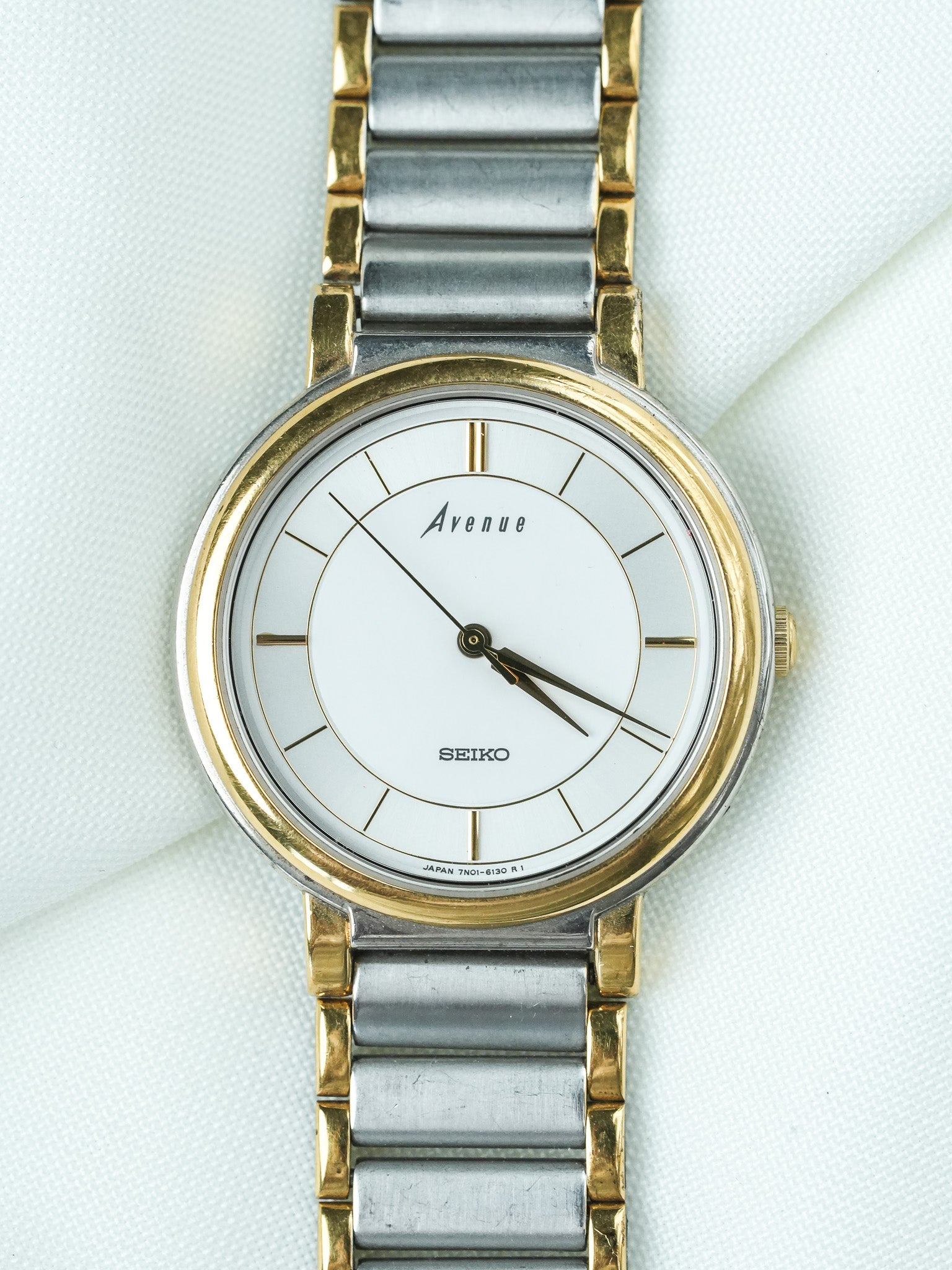
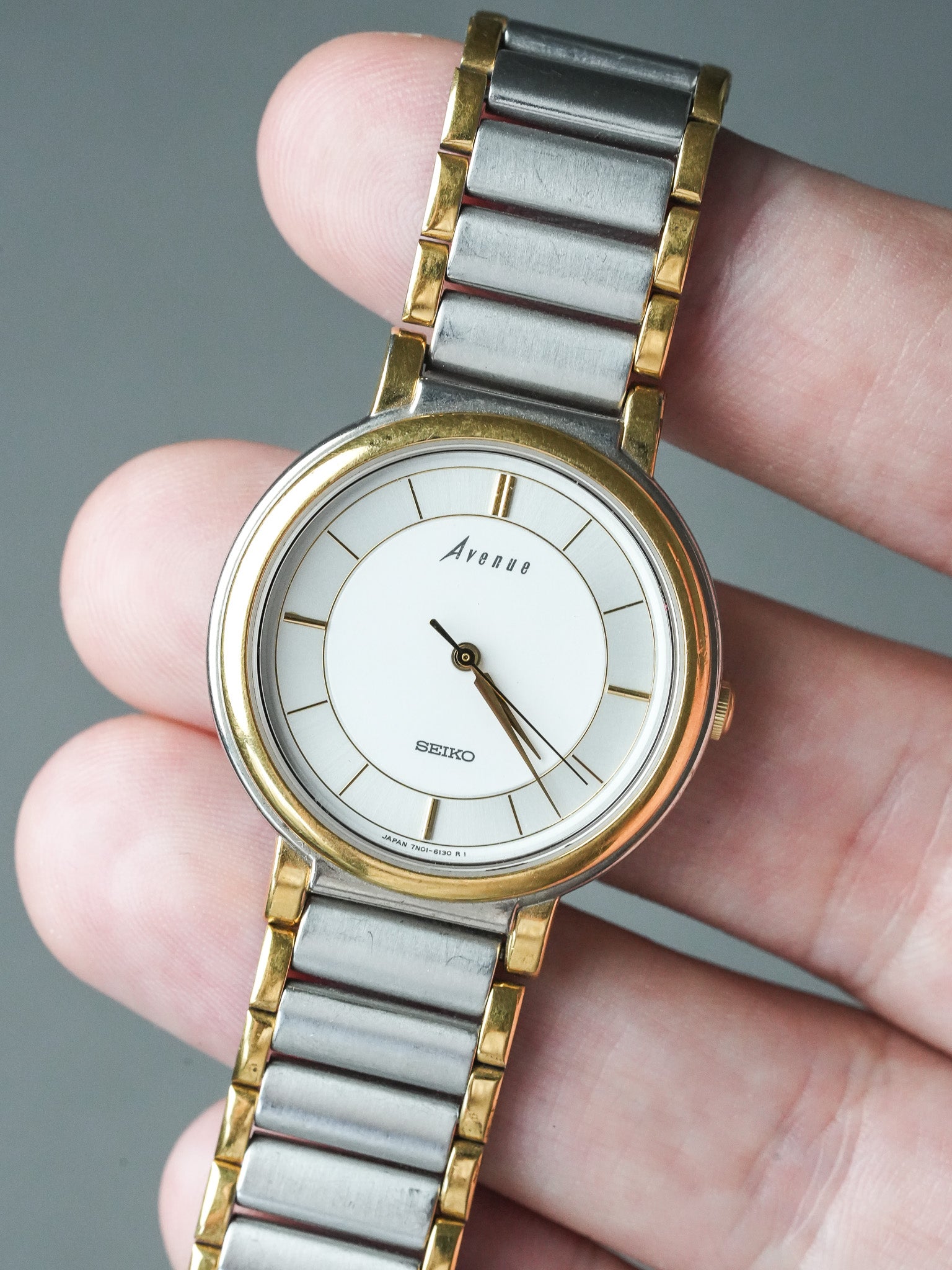
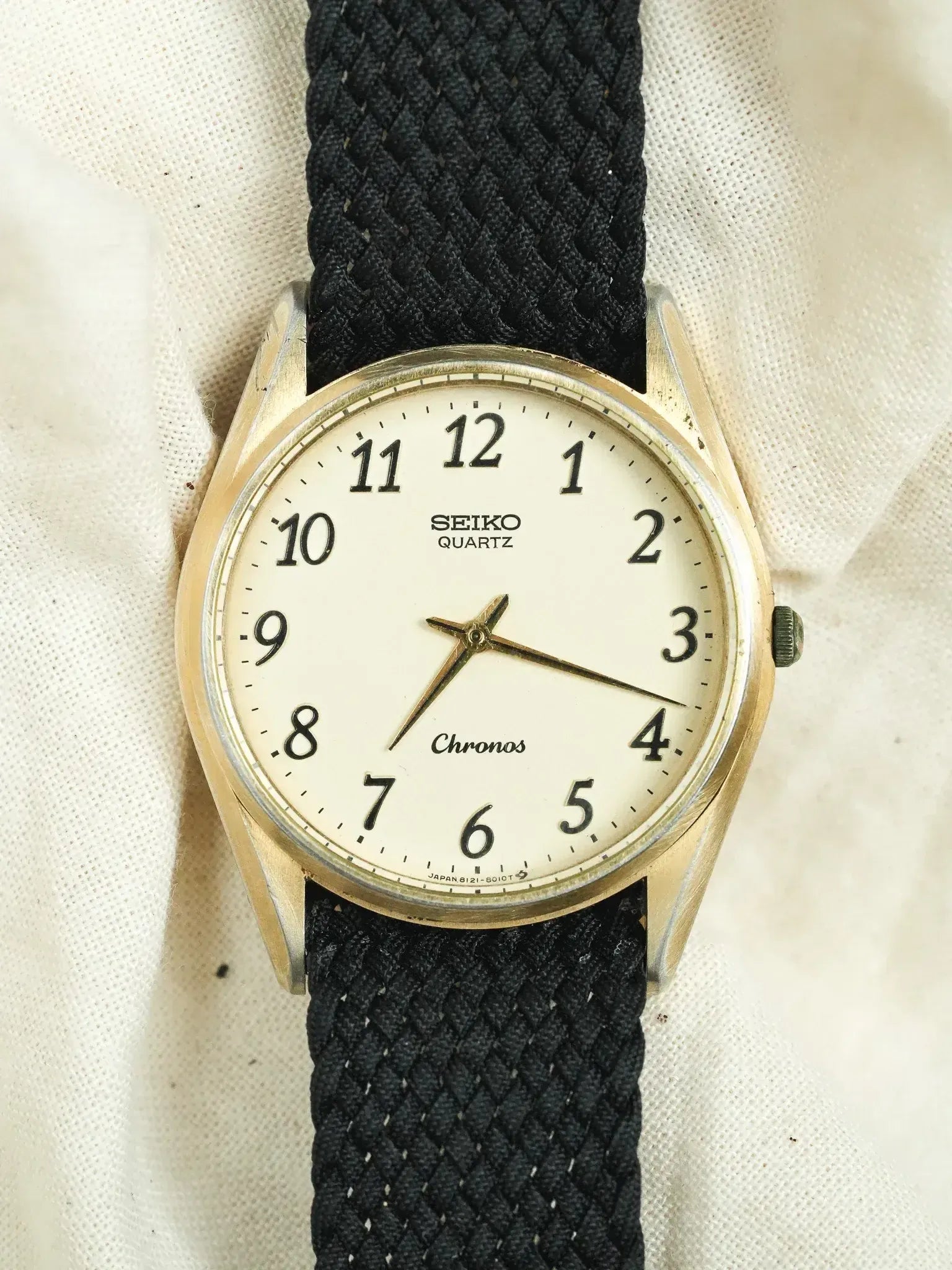
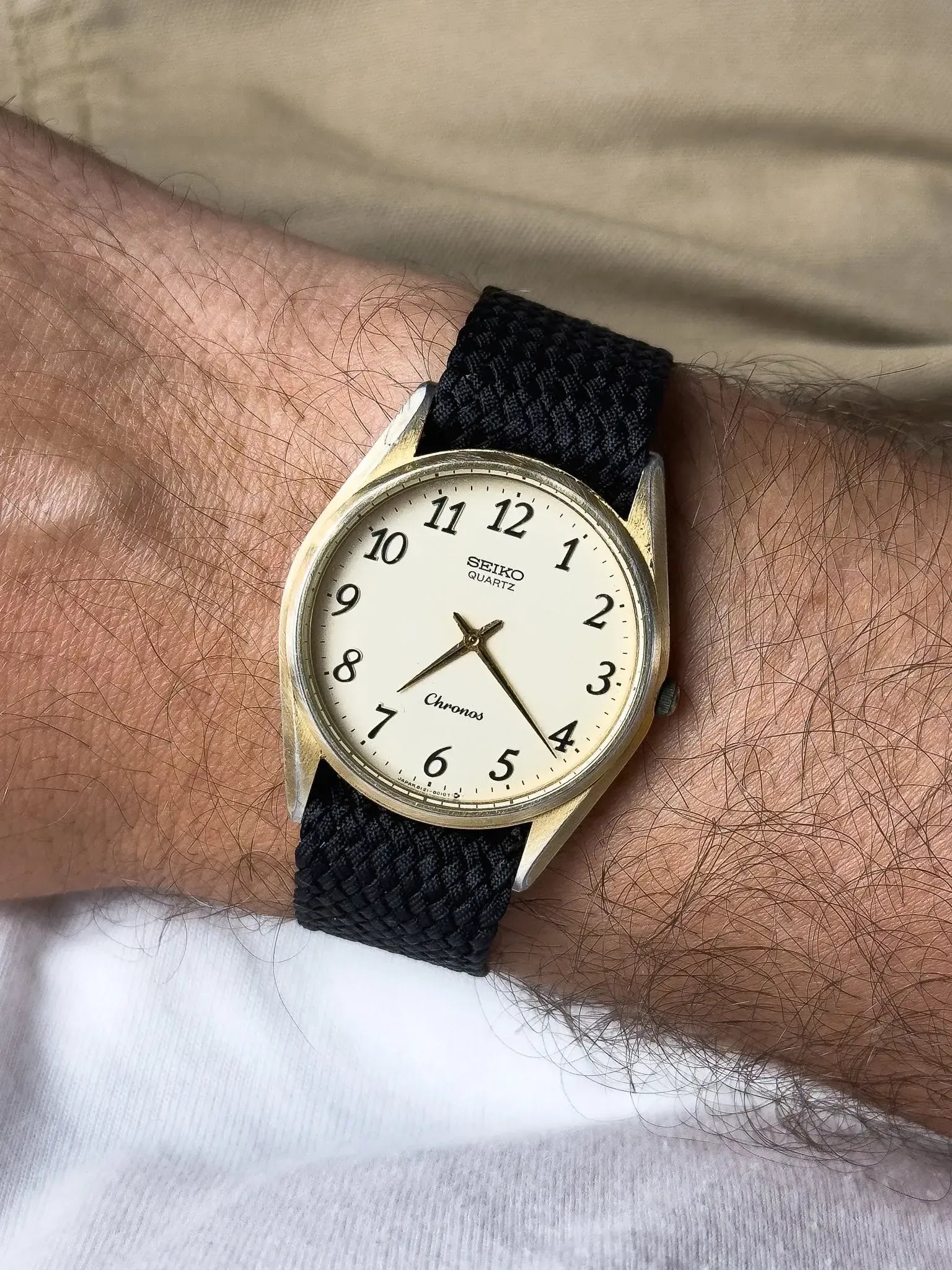
Seiko Credor & Seiko Lassale vintage — Seiko’s high-end sub-brands: Credor embodies Japanese jewelry luxury (hand-finishing, ultra-thin calibres, solid gold cases) — the Japanese equivalent of the great Geneva maisons. Lassale specialized in ultra-thin dress watches from the 1980s and 1990s, with some of the thinnest quartz movements ever produced.
-
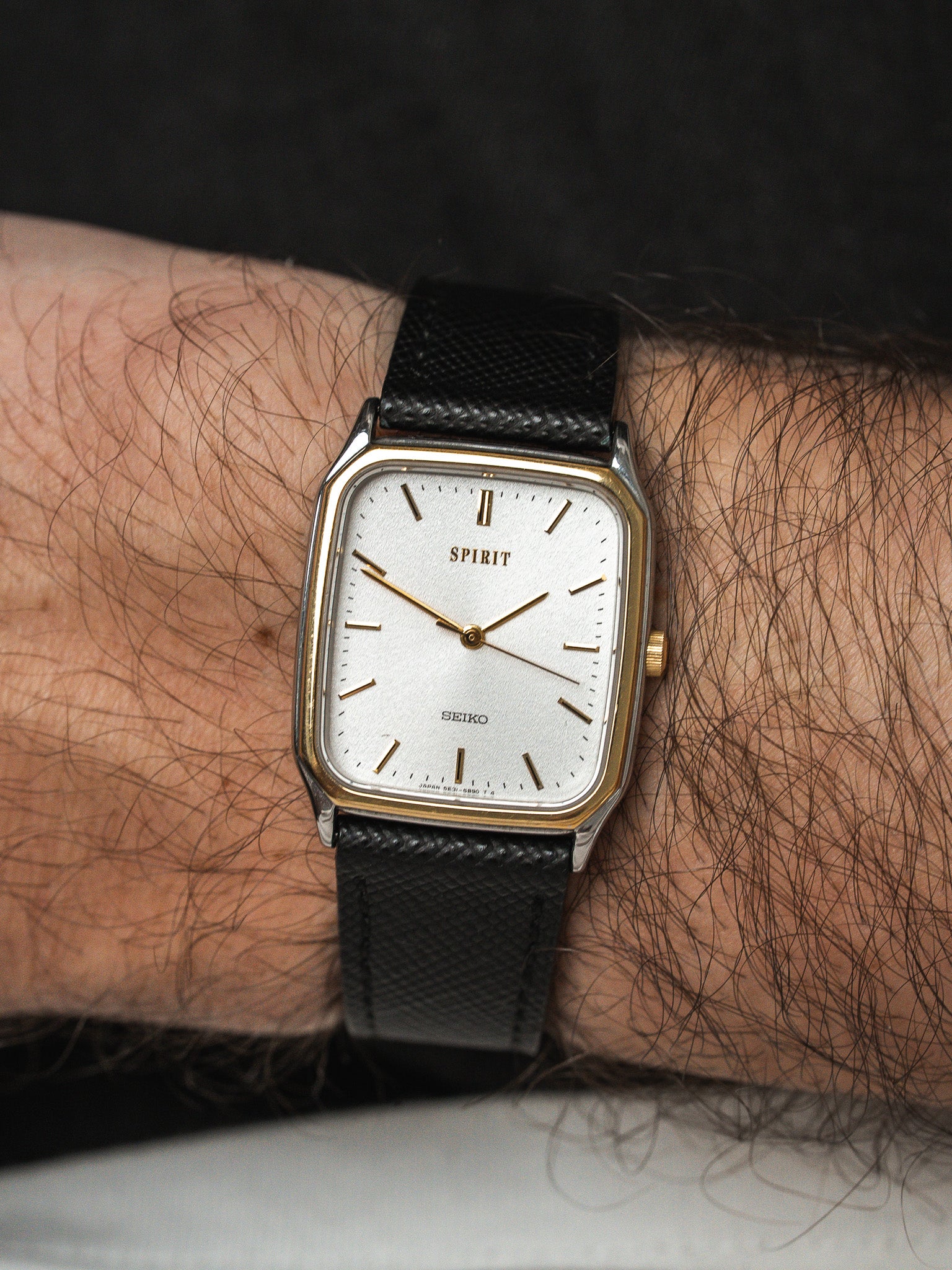
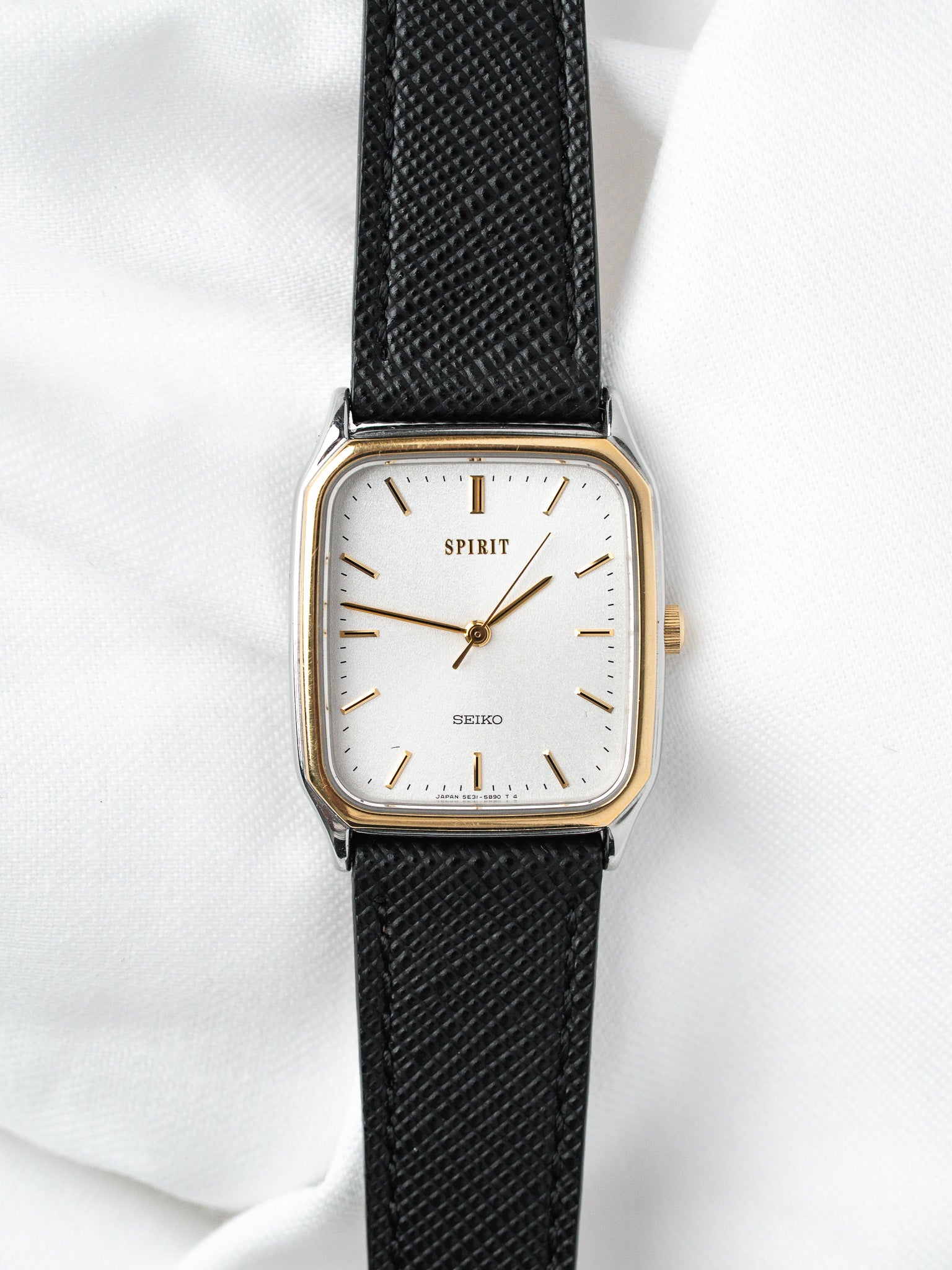
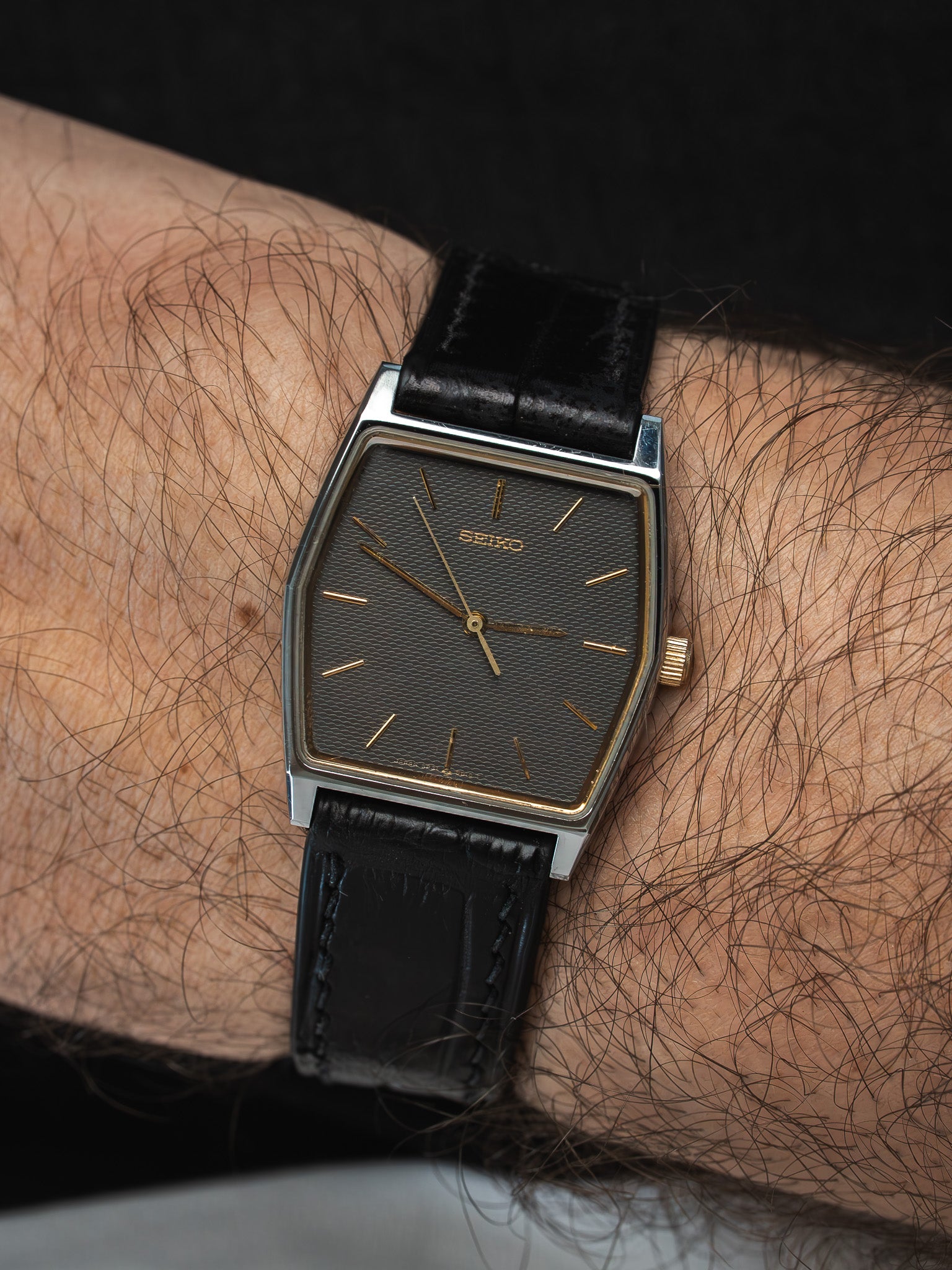
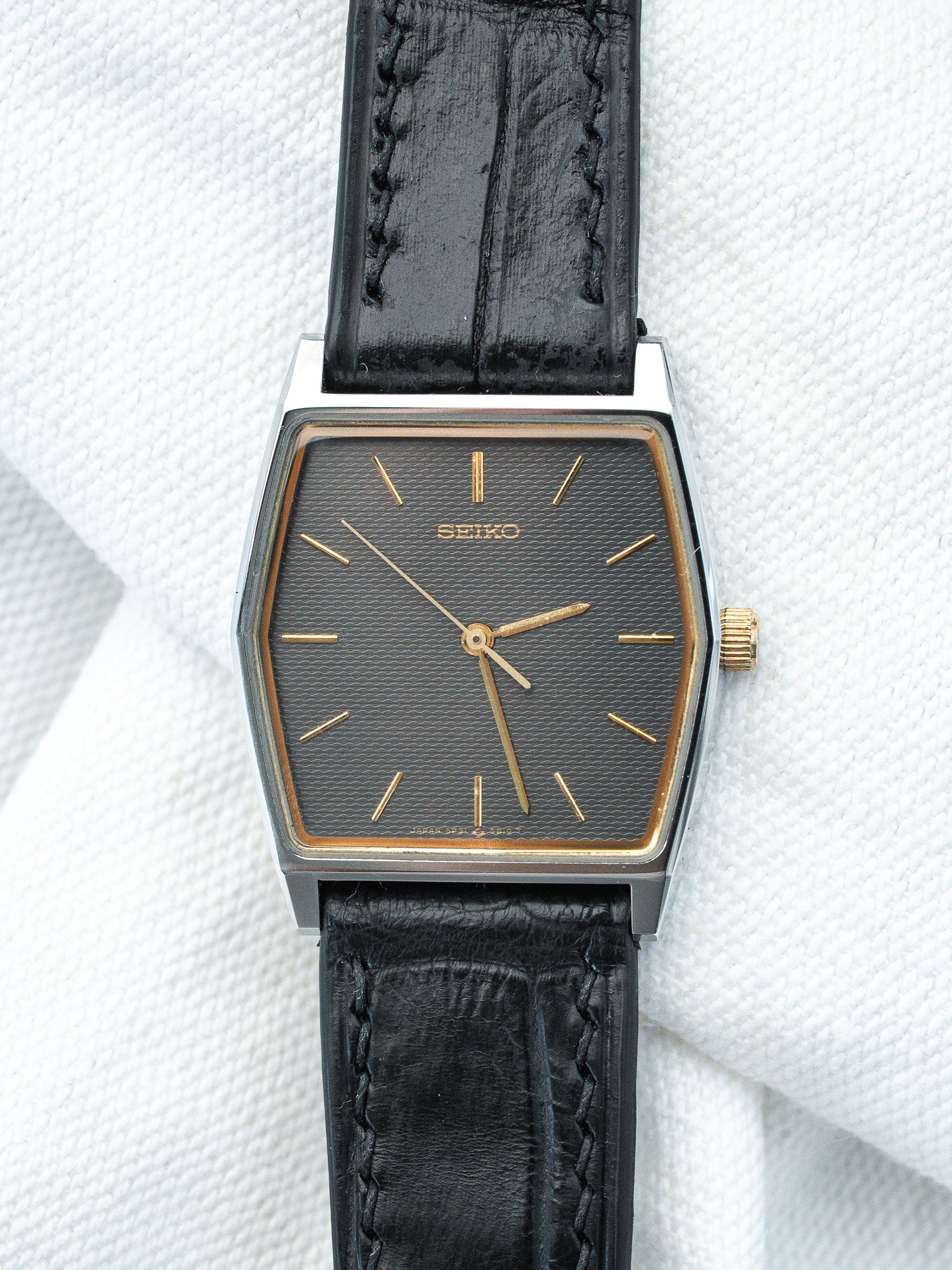
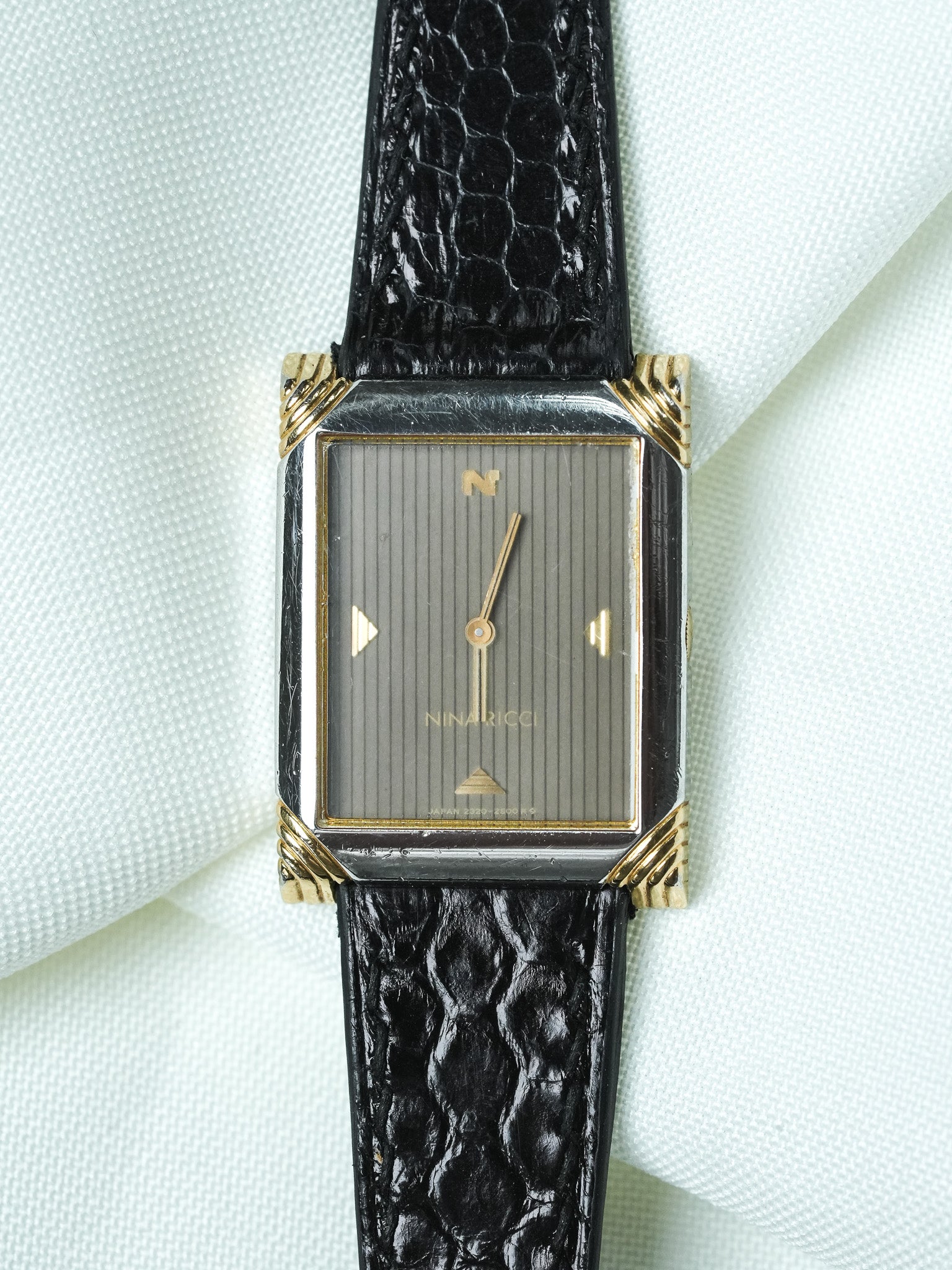
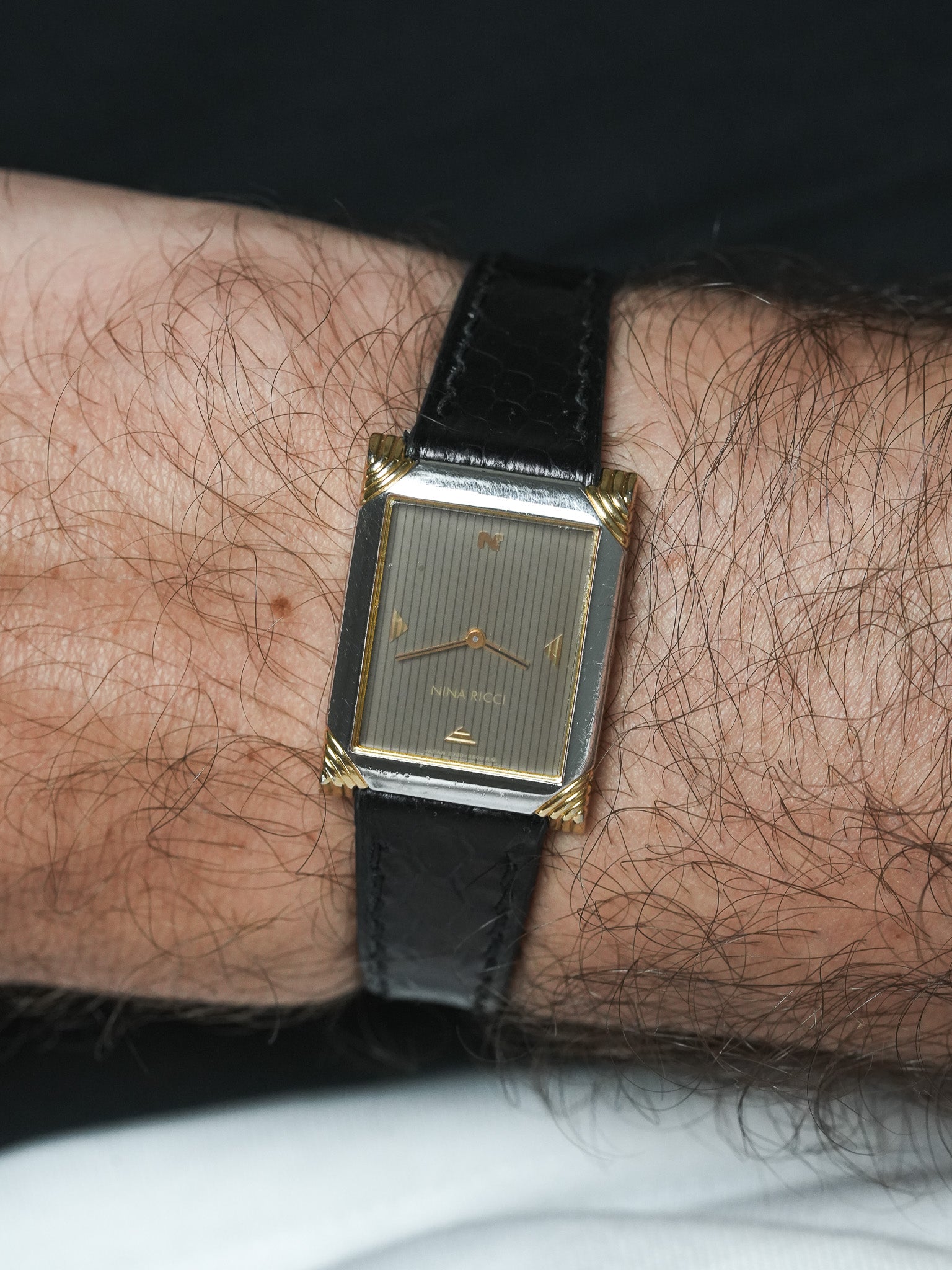
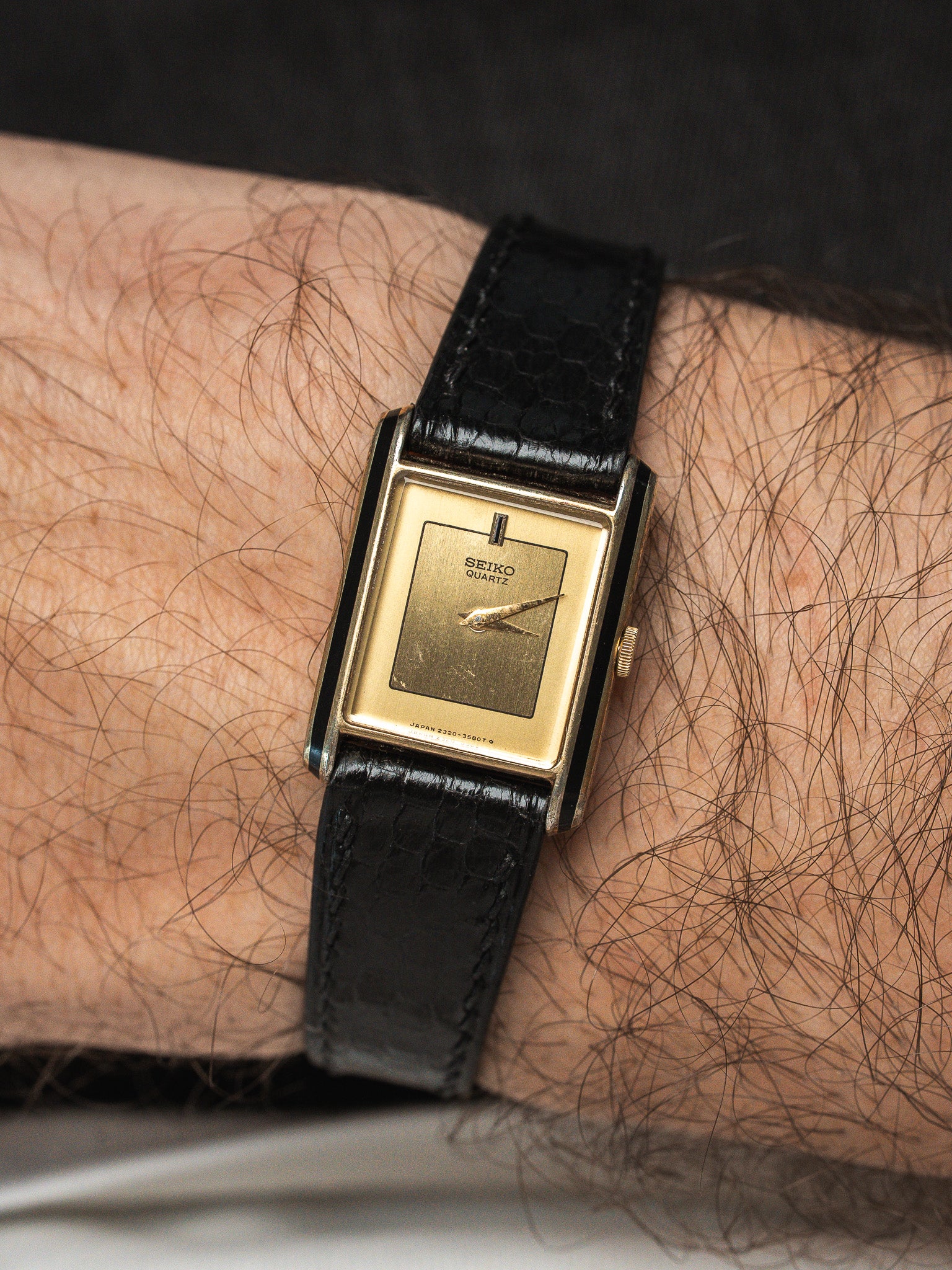
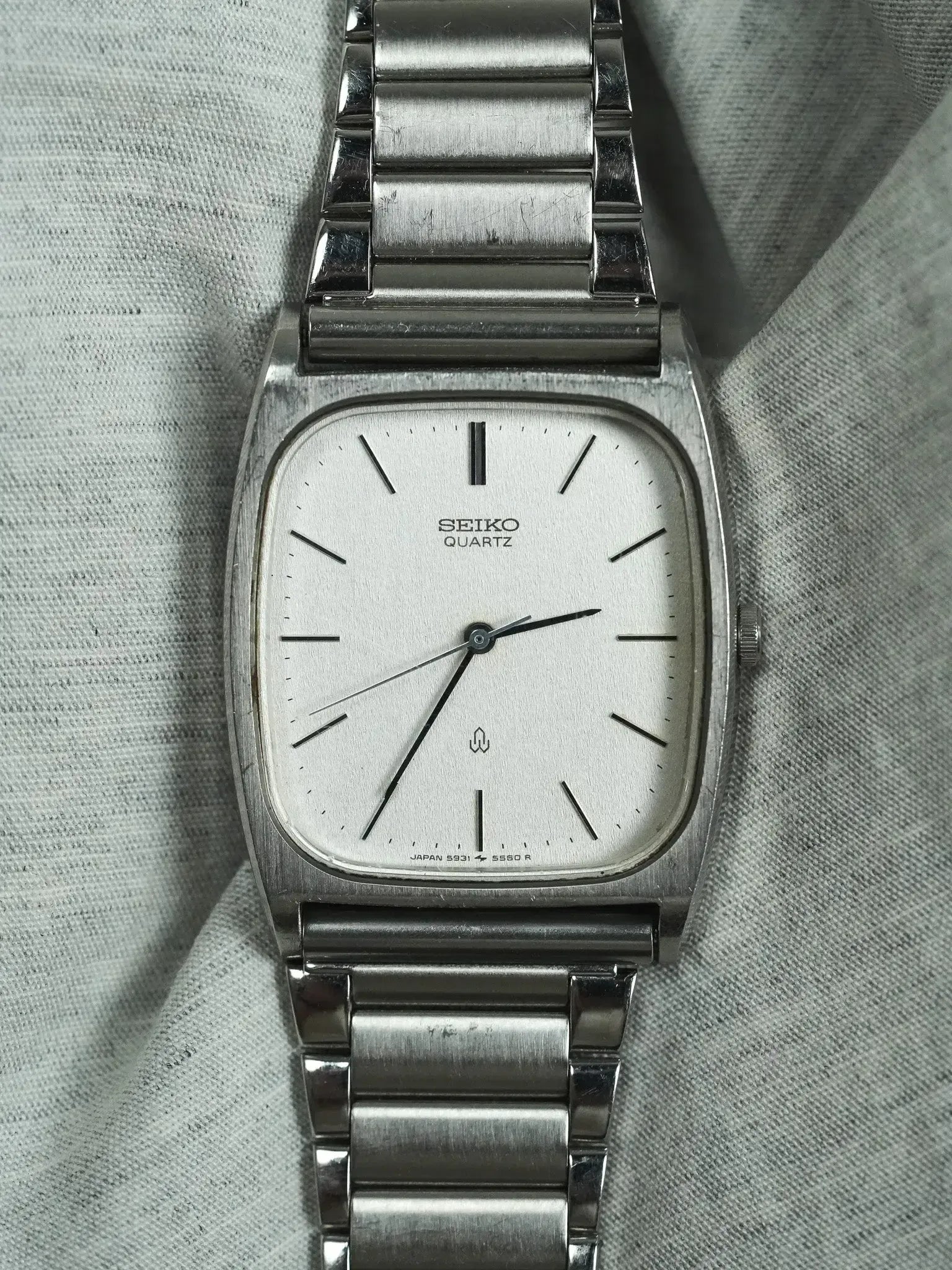
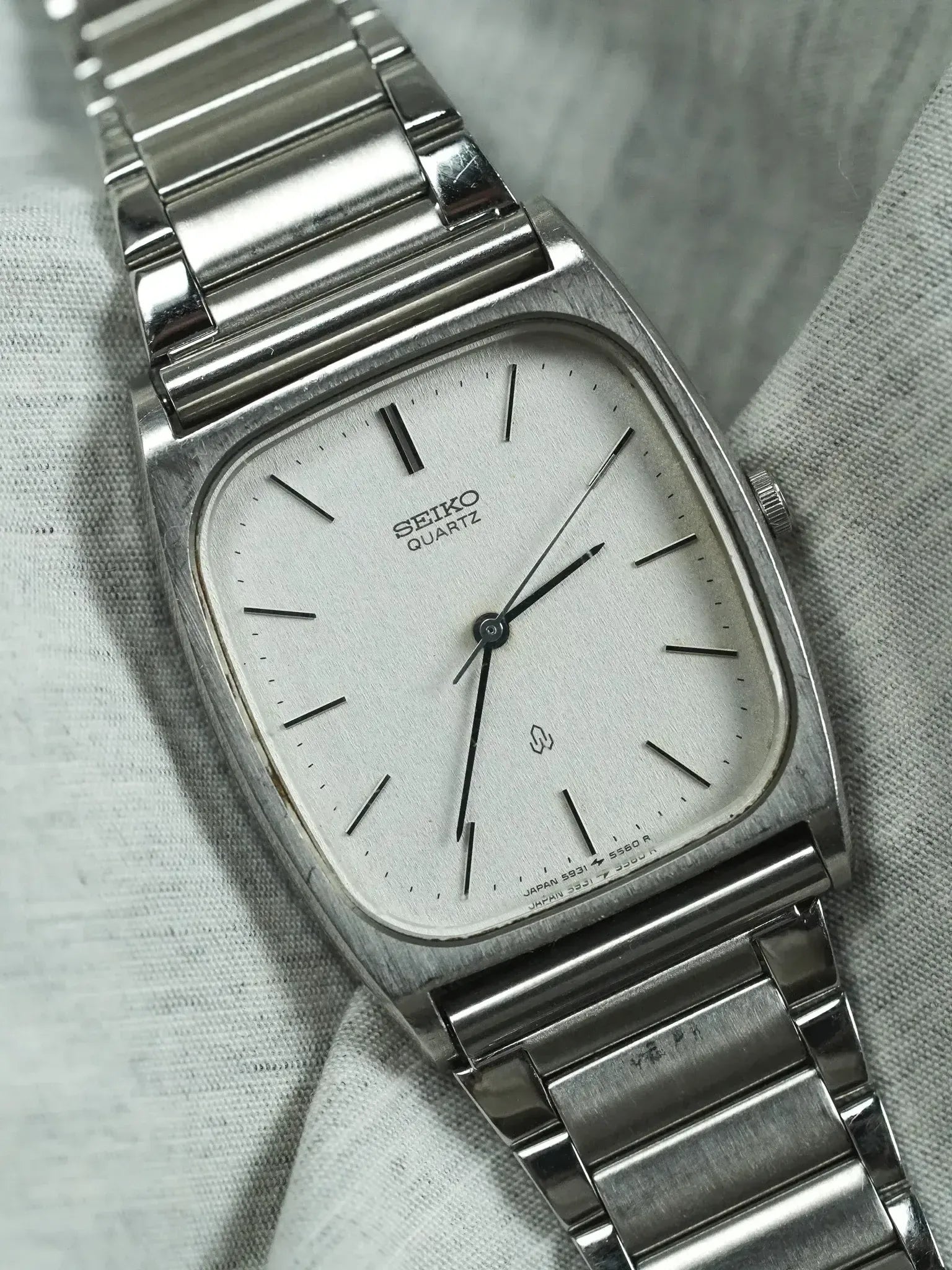
Seiko Tank & vintage Actus — Dress pieces: tank-shaped rectangular Seiko watches in a Japanese Art Deco style, and Actus models with cushion cases and colorful seventies dials.
-
Seiko Bell-Matic vintage — A rare automatic complication: a mechanical alarm watch with calibre 4006, prized by enthusiasts of complications.
-
Seiko Cocktail Time & Presage neo-vintage — Brilliant lacquered dials, “cocktail” motifs, 4R35/6R15 calibres: the contemporary version of Seiko elegance.
Each pre-owned men's Seiko in our catalogue is serviced and guaranteed, for worry-free daily wear.
Vintage Seiko Women Watch: elegance and precision
Vintage women’s Seiko watches stand out for their finesse, reliability, and very accessible price — a rare trio in collectible watchmaking. Buying an antique women’s Seiko watch means giving or treating yourself to a true horological piece at the price of a contemporary fashion watch. Our selection includes:
-
Seiko Lady-Matic vintage — The brand’s first women’s automatic watches, 17- or 21-jewel calibres, compact gold-plated or steel cases from the 1960s and 1970s.
-
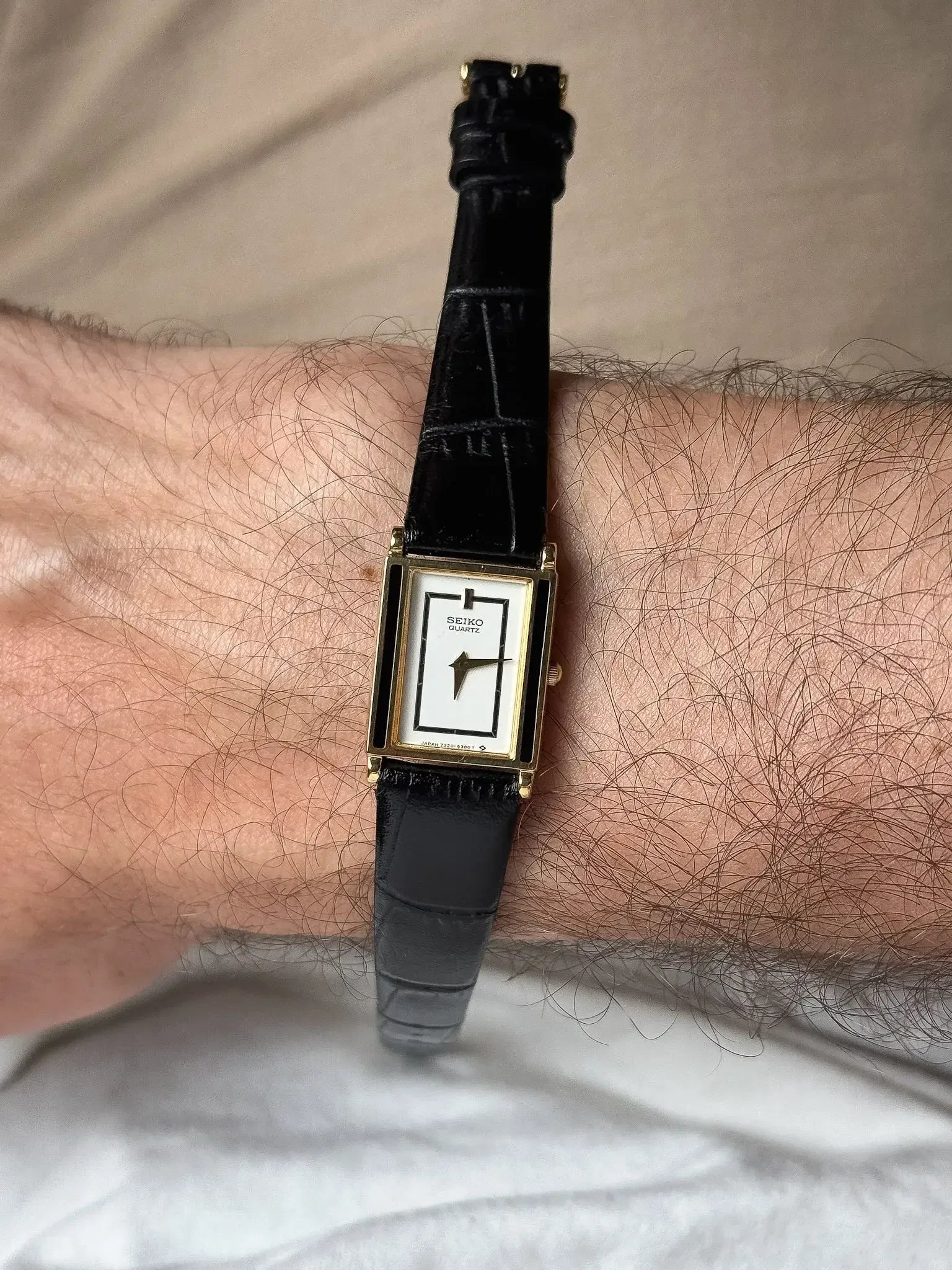
vintage women’s tank-shaped Seiko — Gold-plated rectangular cases, salmon, ivory, or burgundy dials, ideal for the feminine wrist.
-
Seiko women’s Cocktail vintage — Glittered, pearled, or lozenge-pattern dials, 2P20, 2E20, or 1F21 calibres, in 20 to 24 mm sizes.
-
Seiko Lassale & Credor women’s vintage — The dress and jewelry versions of the high-end sub-brands: gold cases, refined finishes, ultra-thin movements. A discreet elegance appreciated by connoisseurs.
-
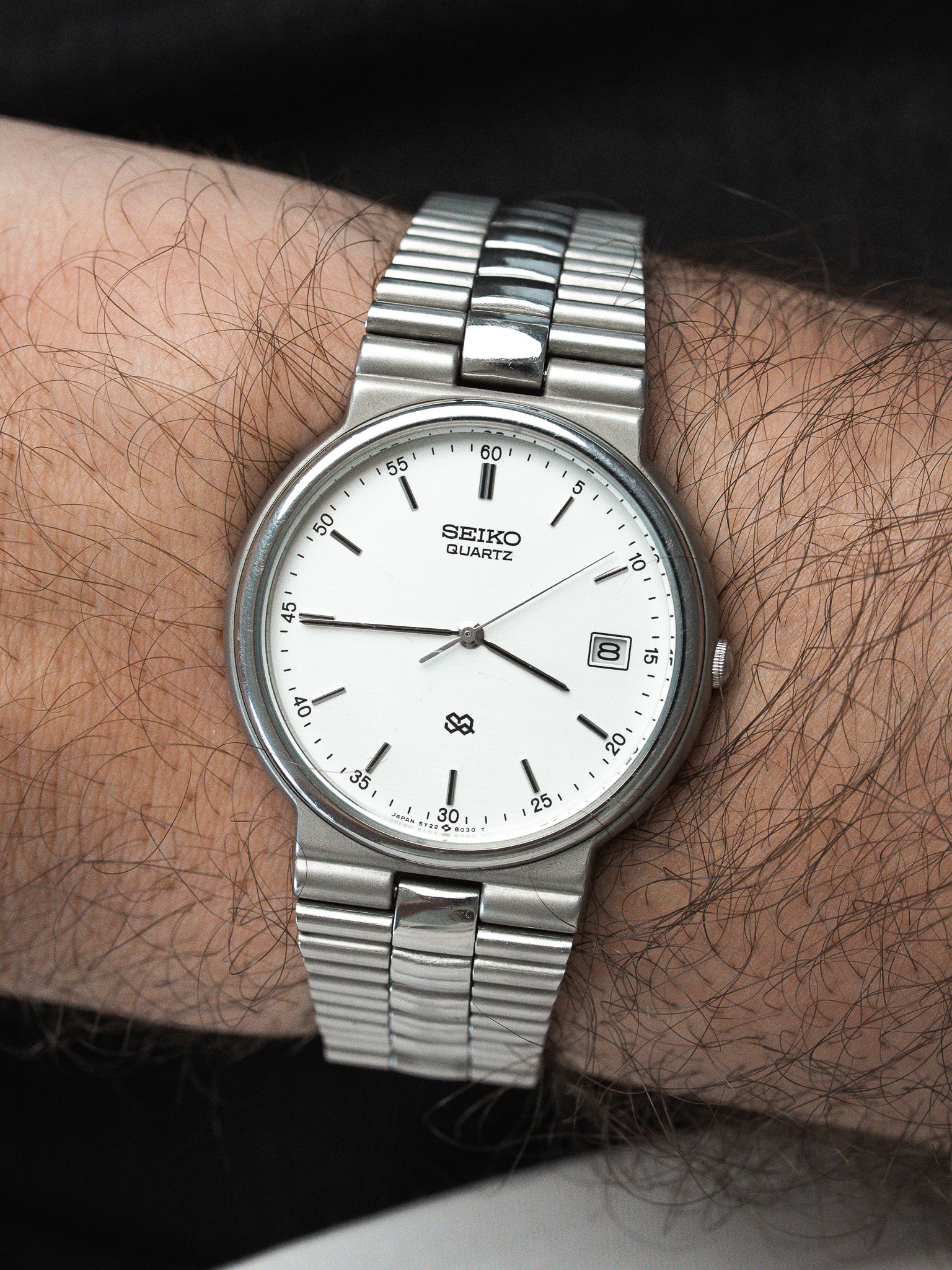
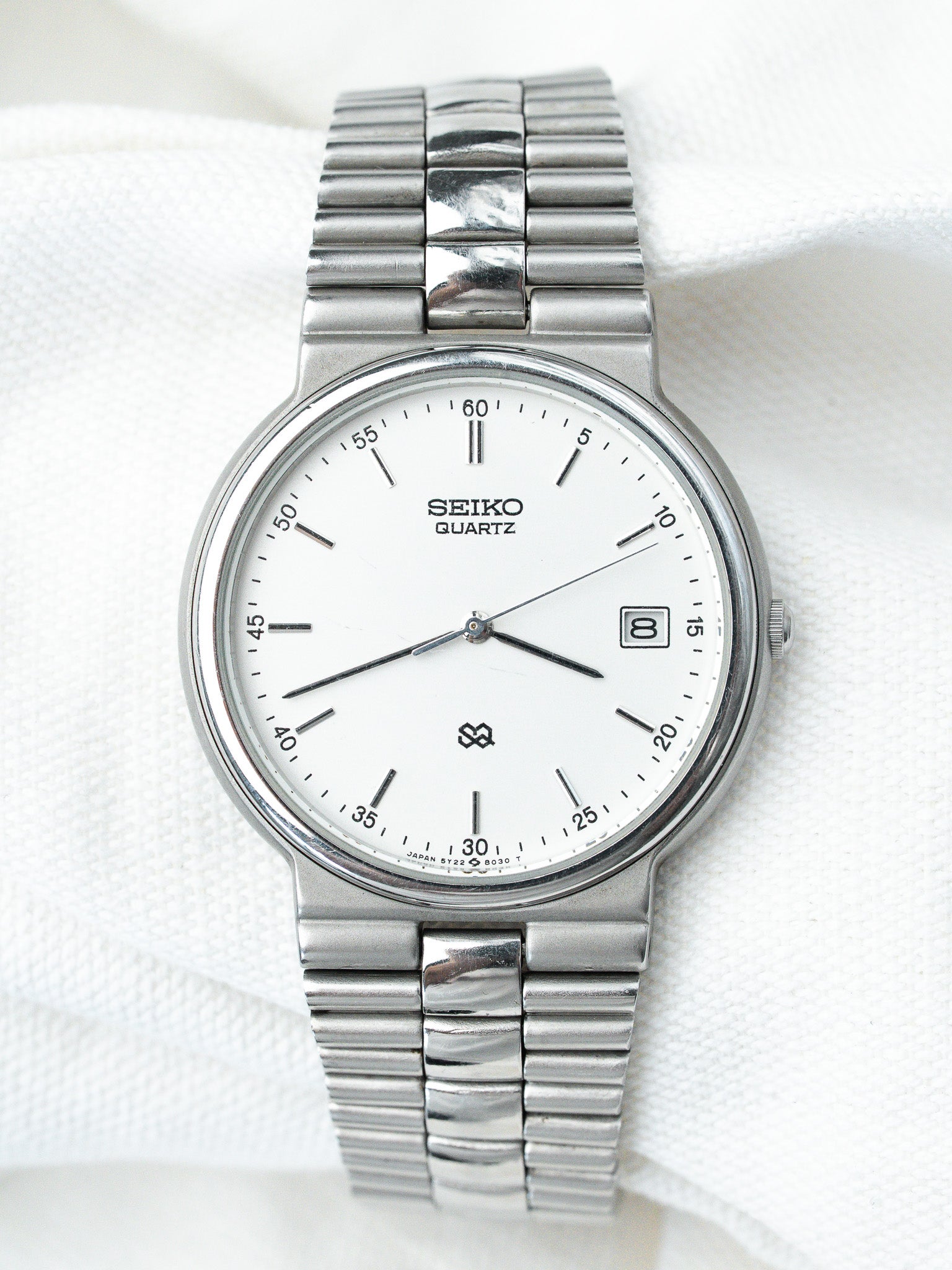
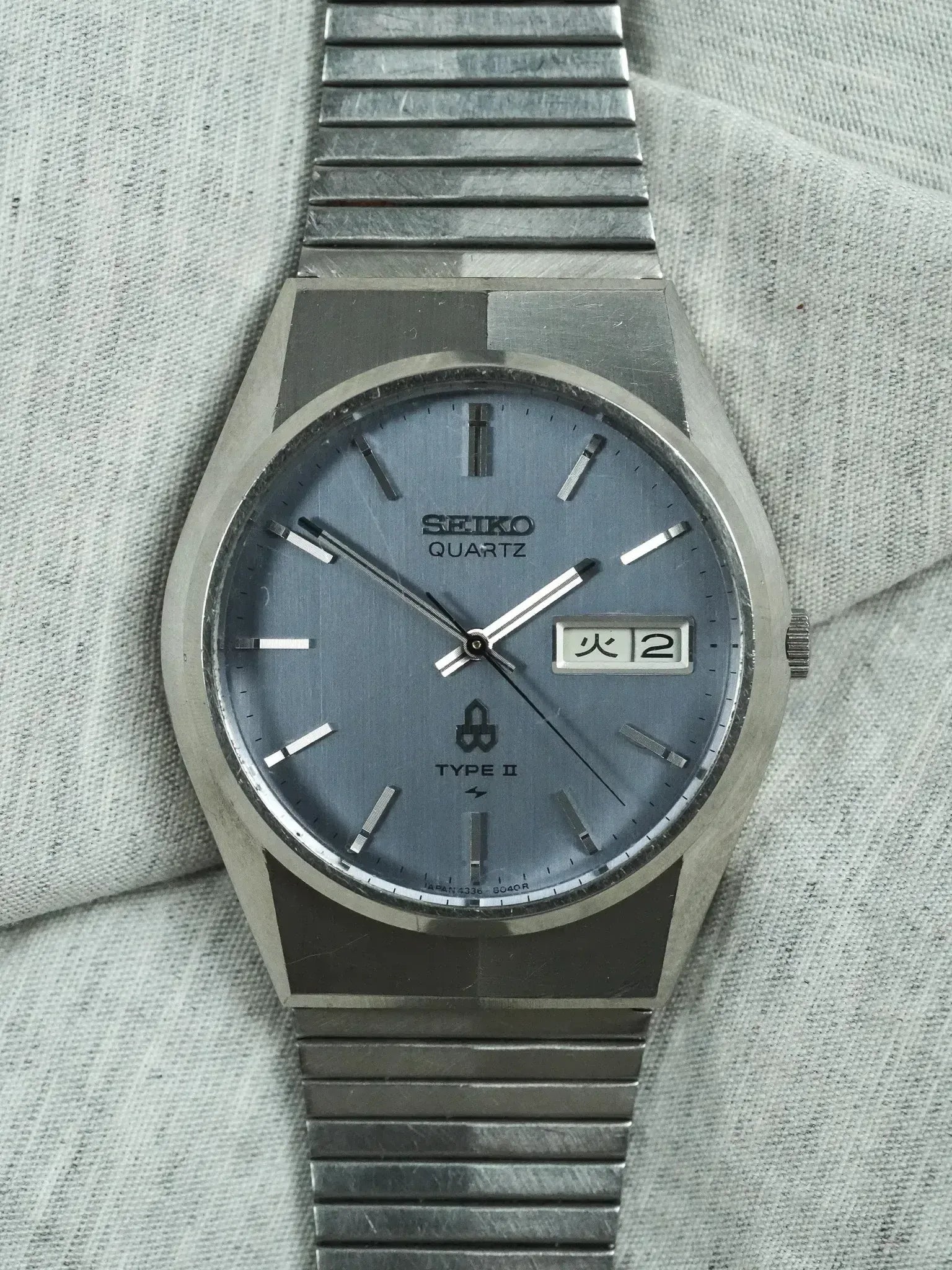
Seiko vintage women’s quartz — The first ultra-thin Japanese quartz watches, gold-plated, perfect for daily wear without maintenance.
These pre-owned women’s Seiko from the 1960s to the 1990s represent an authentic and enduring alternative to current production, ideal for a first women’s collector watch.
Vintage Seiko Watches by Budget
Vintage Japanese watchmaking is accessible across all budgets. Whether you are looking for an affordable vintage Seiko to begin with or a more discerning collector’s piece, our pre-owned Seiko cover every range:
-
Under €500 — entry-level automatic Seiko 5, Seiko Lady-Matic, tank-shaped Seiko, Actus, Lord Matic
-
€500 to €1,000 — Seiko Diver 6309 Turtle, 6138 Panda Chronograph, Bell-Matic, Lord Matic 5606, dress Lassale
-
€1,000 to €2,000 — Seiko 6105 Captain Willard, SilverWave, King Seiko Hi-Beat, Pogue 6139 in fine condition
-
Over €2,000 — King Seiko Chronometer, large vintage Seiko, Credor, rare pieces with original box
Understanding Vintage Seiko Calibres
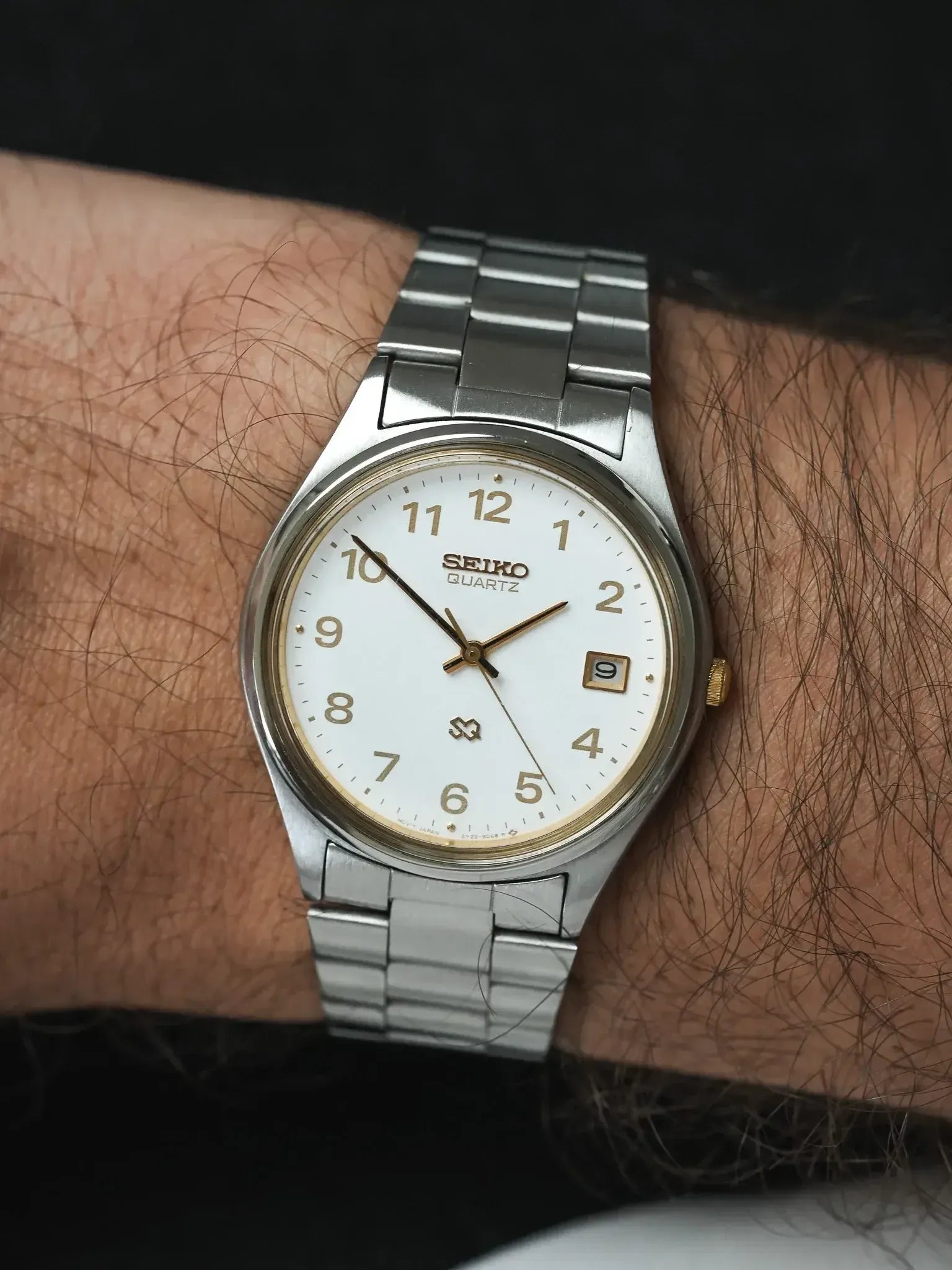
The strength of the Japanese manufacture Seiko lies in its movements designed entirely in-house. A few key calibres to know: the 6119 then the 7019 (automatic movements of vintage Seiko 5 models, reliable and with spare parts readily available), the 6139 (the first automatic chronograph with a column wheel, 1969), the 6138 (automatic chronograph with 12-hour counter), the 5605/5606 (automatic Lord Matic), the 4502 Hi-Beat (King Seiko, 36,000 vibrations/hour for chronometric precision) and the 5740C (Lord Marvel 36000, the hand-wound Hi-Beat), the 4006 Bell-Matic (automatic alarm), and more recently the 6R15 (50h power reserve, fitted to neo-vintage models). On the Japanese high watchmaking side, the sub-brands Credor and Lassale produced some of the most accomplished ultra-thin calibres on the market. This technical longevity makes it easy to maintain a pre-owned vintage Seiko: components remain widely available, whereas many Swiss calibres from the same decades have become impossible to find.
Why buy a vintage Seiko watch from Atelier Victor?
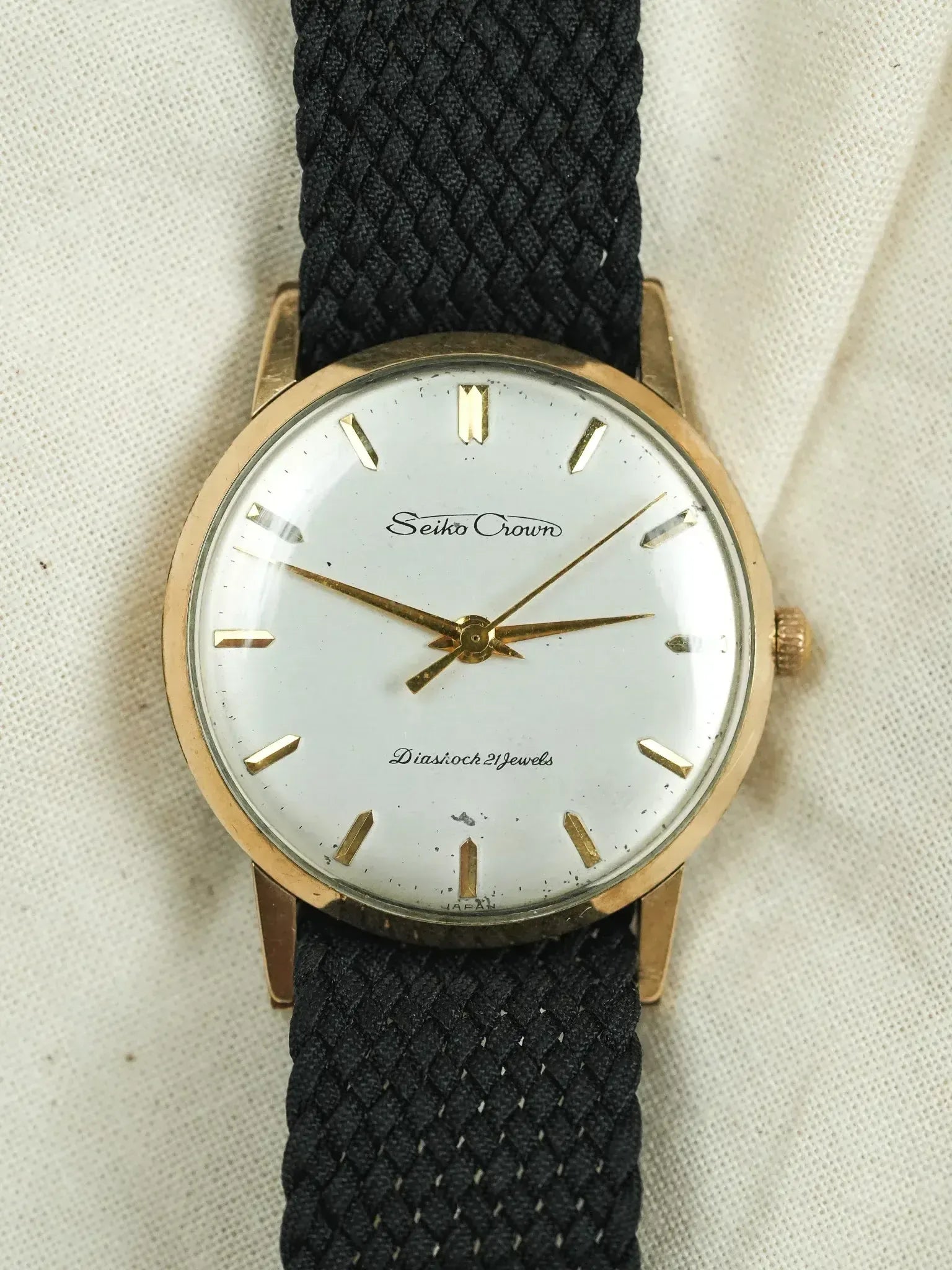
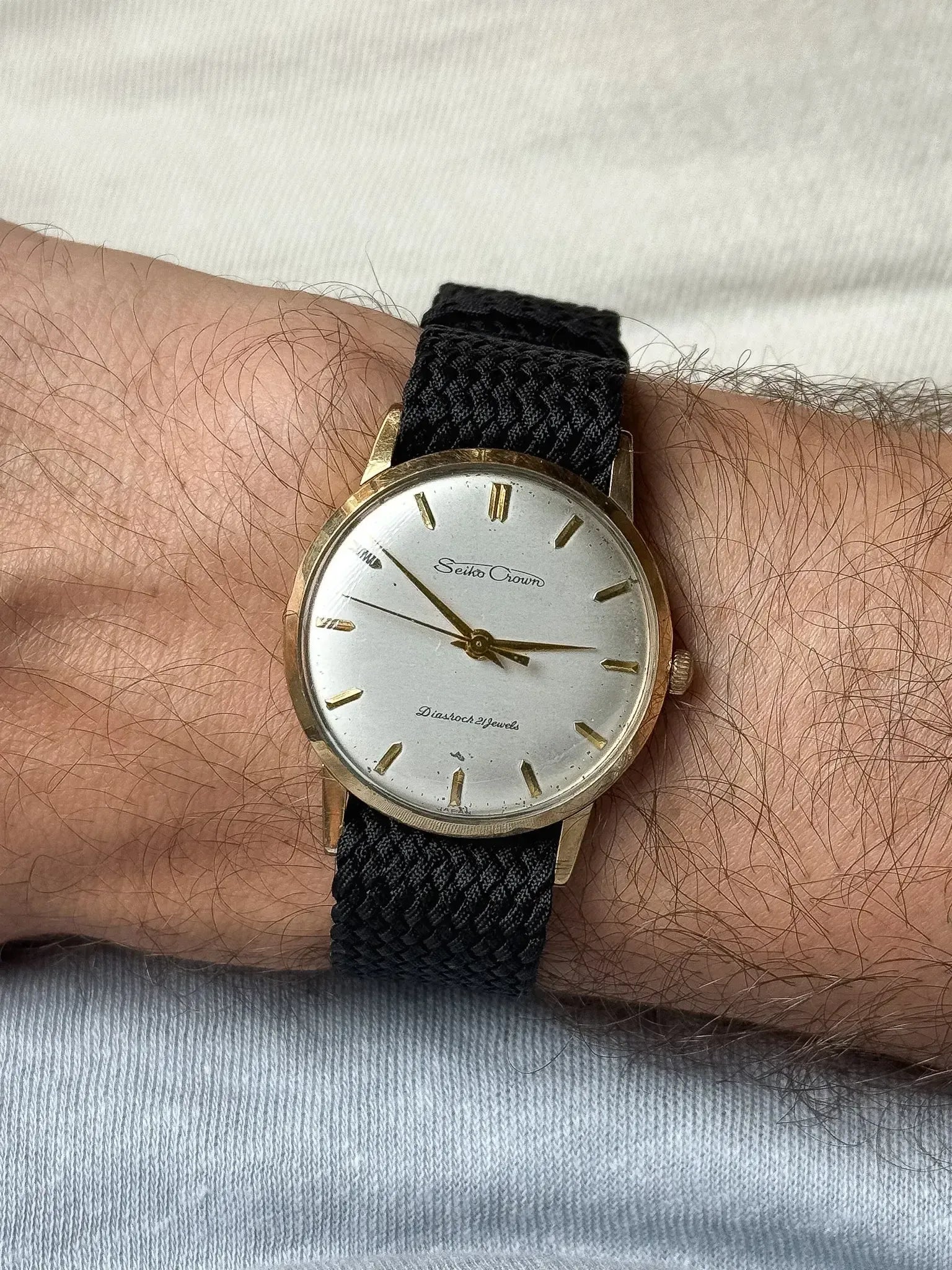
Acquiring a period Seiko means choosing a watch made to last. Japanese movements are renowned for their ease of maintenance, their shock resistance (Diashock, Seiko's signature system), and their precision. At Atelier Victor, every authentic vintage Seiko is rigorously authenticated: we verify calibre conformity, the originality of the dial (very important for Seiko, where repainted dials are common on the market), the integrity of the case, and the accuracy of the movement. Every sale comes with a 1-year mechanical warranty and lifetime guaranteed authenticity.
Our service commitments from Dubai
- More than 1,500 pieces sold to collectors in over 30 countries.
- Complete servicing carried out by our watchmakers before each piece is offered for sale.
- Secure international shipping with ad valorem insurance from Dubai.
- Private appointments in Dubai to discover our collections in person.
- Secure payment: bank card, bank transfer, PayPal, cryptocurrency.
Also discover our other Japanese and Swiss watchmaking collections: Citizen vintage, Omega vintage, pre-owned Tissot, or browse our complete collection of luxury vintage watches.
Frequently asked questions — vintage & pre-owned Seiko watches
Which vintage Seiko watch should you choose to get started?
The Seiko 5 automatic remains the absolute benchmark for its versatility, robustness, and accessible price point. For diving enthusiasts, the 6309 Turtle is the affordable icon. For chronograph lovers, the 6139 Pogue is the essential historical reference. A vintage men's Seiko watch with a 6119 or 7019 caliber is generally the best first purchase.
Which vintage Seiko watch for a woman?
A vintage women's Seiko watch in a compact size (20 to 28 mm): automatic Lady-Matic, tank-shaped Seiko in gold-plated finish, feminine Cocktail with a glitter dial, or a dressy Lassale for a step above. These pieces offer true manufacture watchmaking at the price of contemporary fashion watches — ideal for a gift or a first collector's watch.
What is a Seiko Credor, Lassale, Lord Matic, or SilverWave?
These are specific Seiko lines that deserve to be known. The SilverWave (1961) is the first waterproof sports Seiko — the forerunner of the brand's dive watches. Lord Matic (LM) is the high-end automatic line from the 1970s, between Seiko 5 and King Seiko, fitted with 5605/5606 calibers. Lassale is a Seiko sub-brand specializing in ultra-thin dress watches from the 1980s and 1990s. Credor is the high watchmaking brand of Seiko — the Japanese equivalent of the great Swiss houses, with hand-finishing and exceptional calibers.
What is the difference between Seiko 5, Lord Matic, and King Seiko?
The Seiko 5 is a robust mass-produced automatic, designed as an everyday watch. The Lord Matic is a step above: more refined finishing, more precise 5605/5606 calibers, and a dressier presentation. The King Seiko is the luxury piece: superior chronometric adjustments, Zaratsu finishing (mirror polishing), Hi-Beat movements — close to Grand Seiko standards and a direct competitor to high-end Swiss watchmaking of the 1960s and 1970s.
What is a Seiko Hi-Beat movement?
A Hi-Beat (high-frequency) movement beats at 36,000 vibrations per hour, or 10 beats per second, versus 18,000 or 21,600 for most movements of the period. This high frequency offers better rate stability and a smoother seconds hand. Seiko was a pioneer with the 4502 (King Seiko), 5740C (Lord Marvel 36000), and 6145/6146 (Grand Seiko) calibers.
Are Seiko spare parts still available?
This is one of the great strengths of Japanese watchmaking. The longevity of Seiko calibers allows for easy and affordable maintenance: many components are still produced or available from stock through watchmakers. Vintage Seiko watches can be serviced and repaired without difficulty, unlike many contemporary Swiss calibers that have become impossible to source.
How do you authenticate a vintage Seiko watch?
Several elements should be verified: the caliber engraving on the back (which must match the reference), the serial number engraved on the case back (which allows the piece to be dated precisely), the dial typography and the Seiko logo (which evolves over time), and the consistency of the hands with the reference. The Seiko market includes many repainted dials ("redial") — a point our watchmakers systematically verify before each offering for sale.
A question about a vintage Seiko watch or a pre-owned Seiko? Contact our experts via WhatsApp or by email.